

Cutter knife blades
Replacement blades for cutter, carpet and safety knives – sorted by shape, material, grind and brand.
Choose blades by …
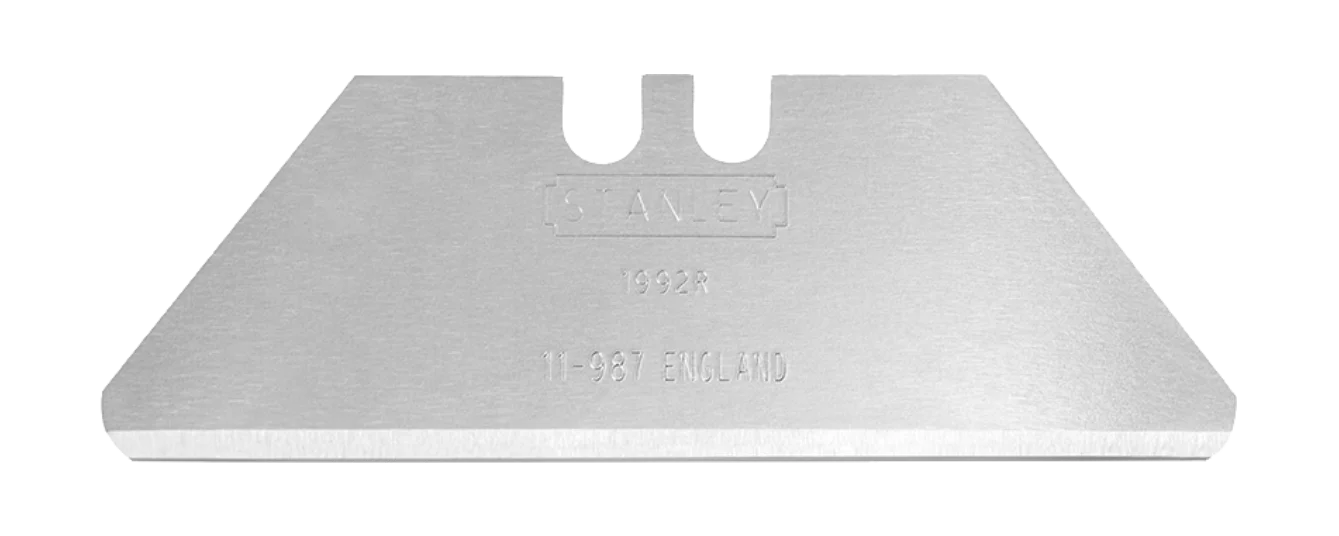 rounded tipsCarbon steelplain, double-bevel€2.90 excl. VAT
 View K013
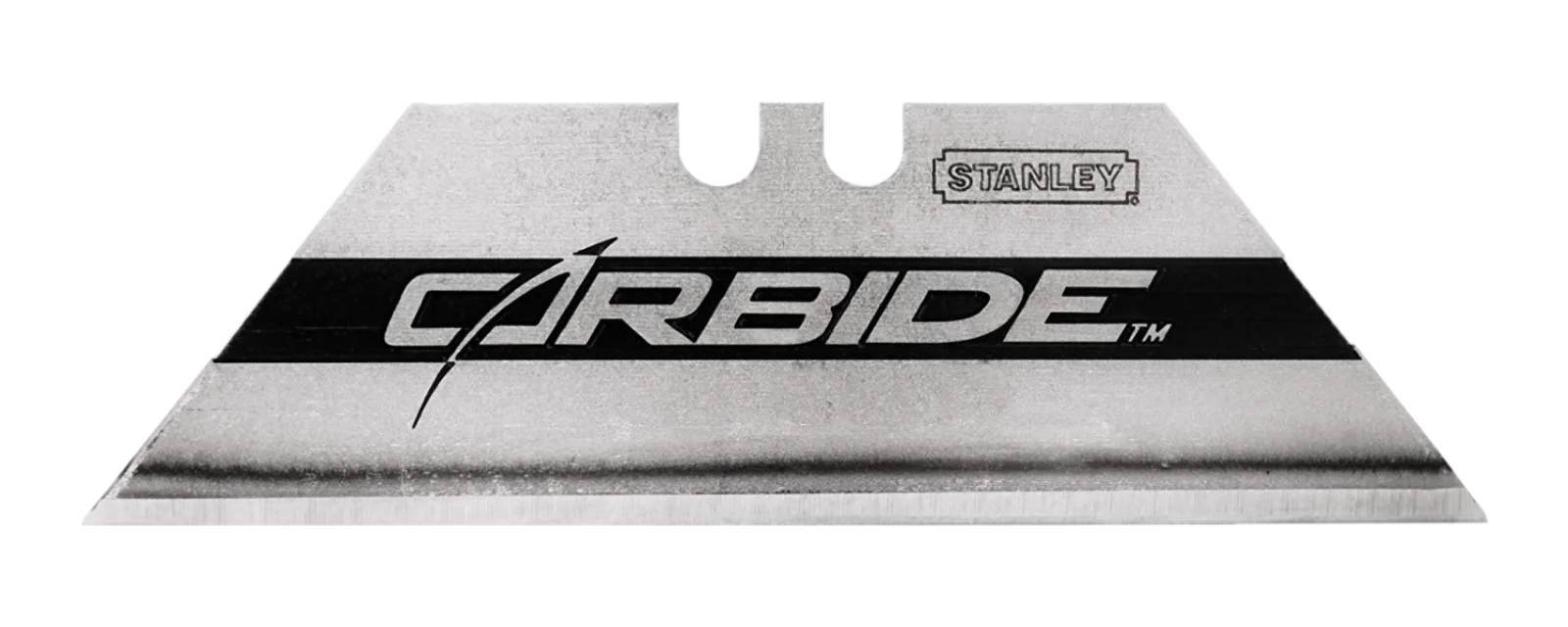 very long blade lifePremium carbon steel, tungsten carbide coatedplain, double-bevel€10.15 excl. VATView K014
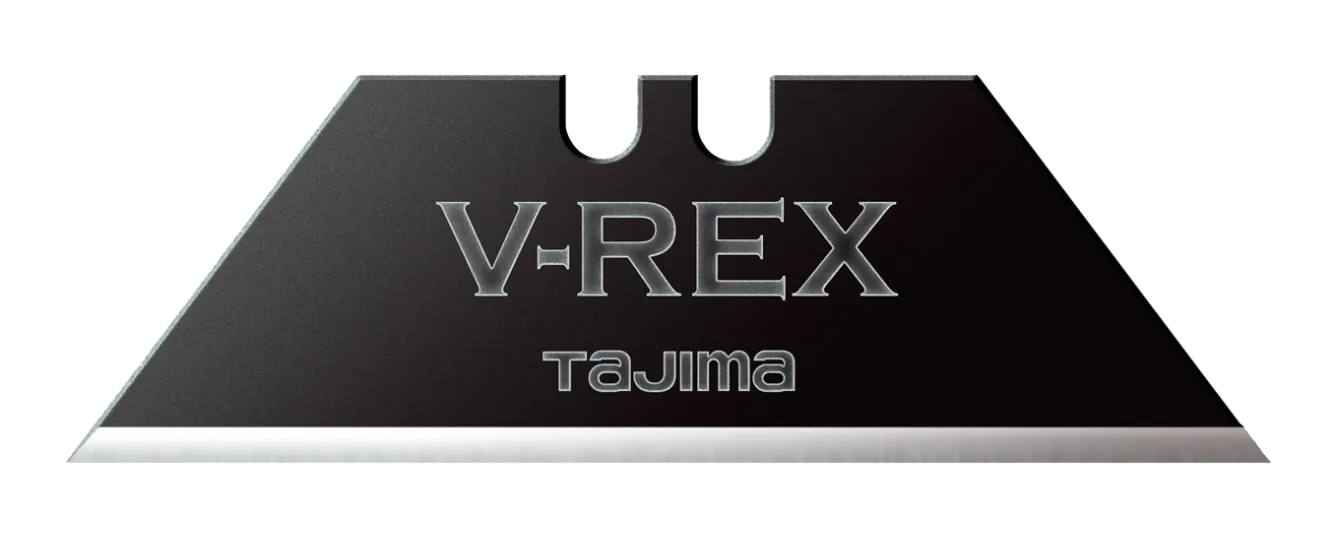 very high initial sharpnessCarbon steel, black coatedplain, double-bevel€4.04 excl. VAT
 View K015
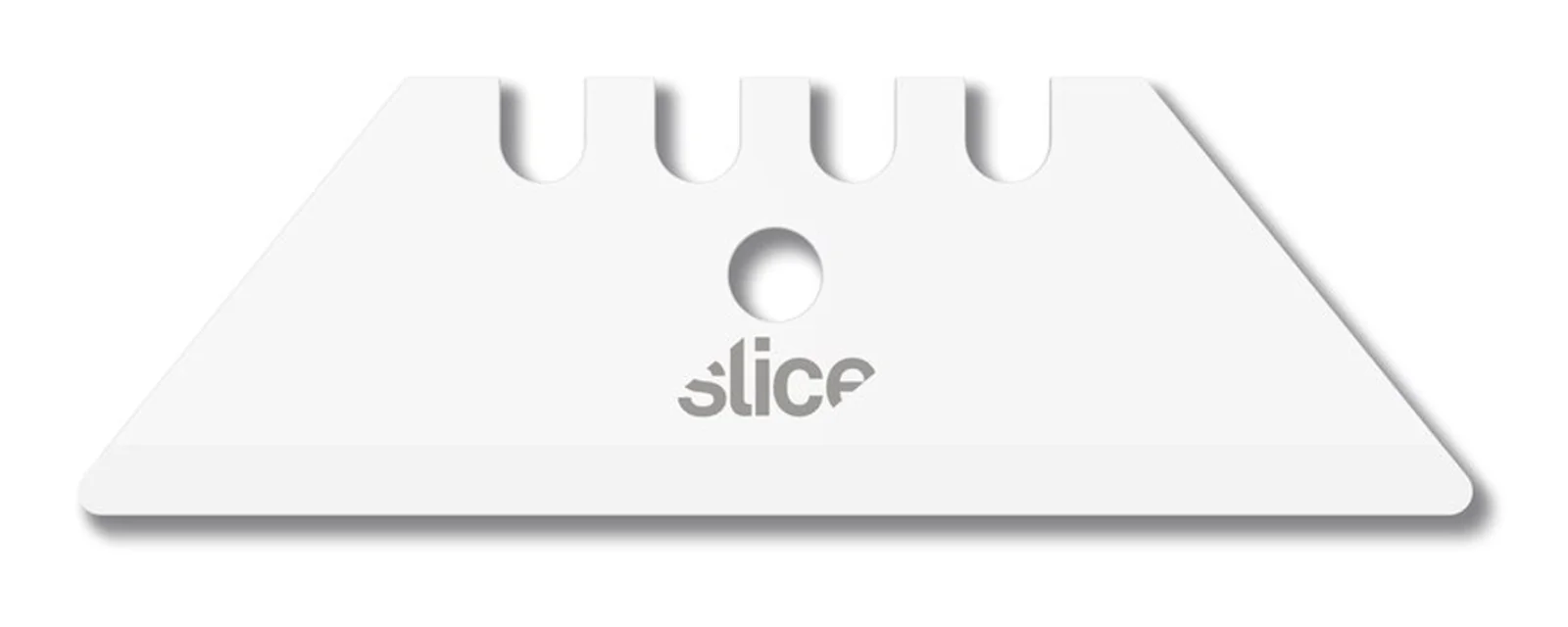 Ceramic, safety grindCeramicSafety grind€19.99 excl. VAT
 View K073
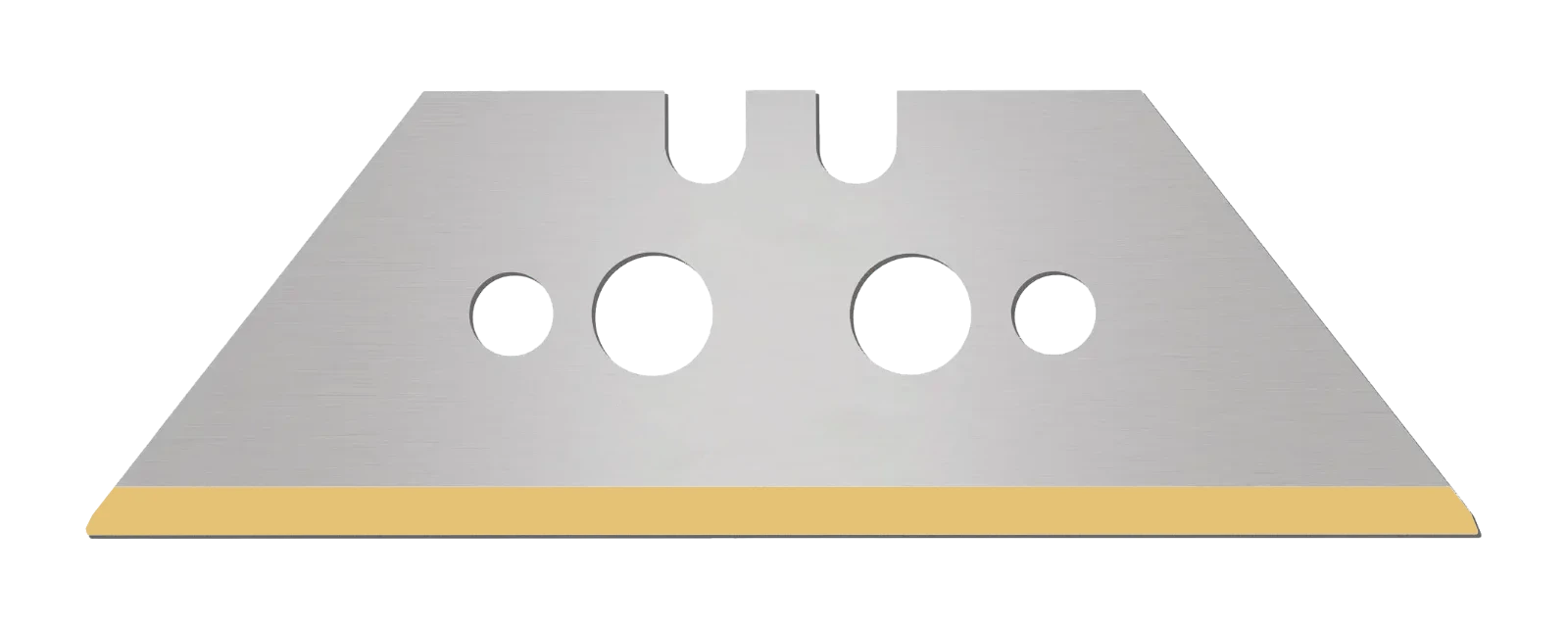 TiNPremium carbon steel, TiN coatedplain, double-bevel€4.35 excl. VAT
 View KB1-99
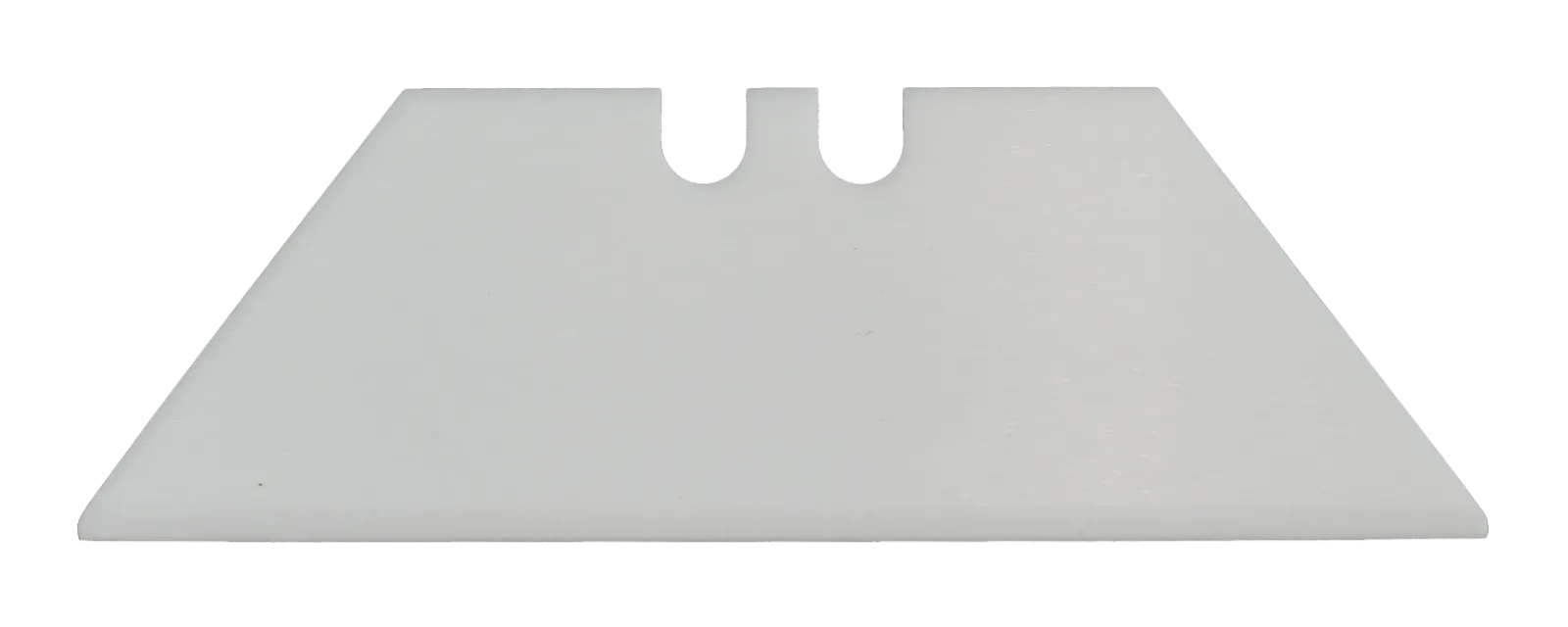 Ceramic, safety grindCeramicSafety grind€12.50 excl. VATView KB1-C
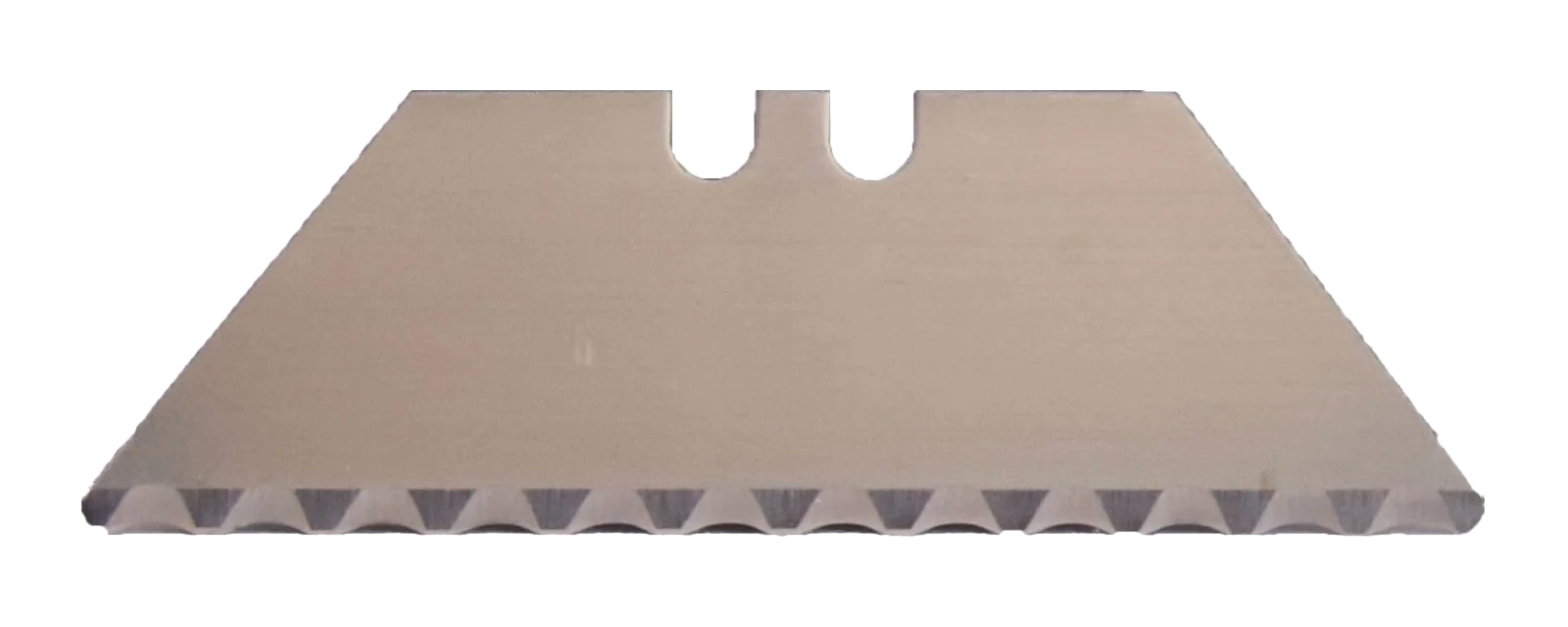 Serrated grindPremium carbon steel€3.99 excl. VATView KB1-S
 universalCarbon steelplain, double-bevel€4.70 excl. VAT
 View KM99
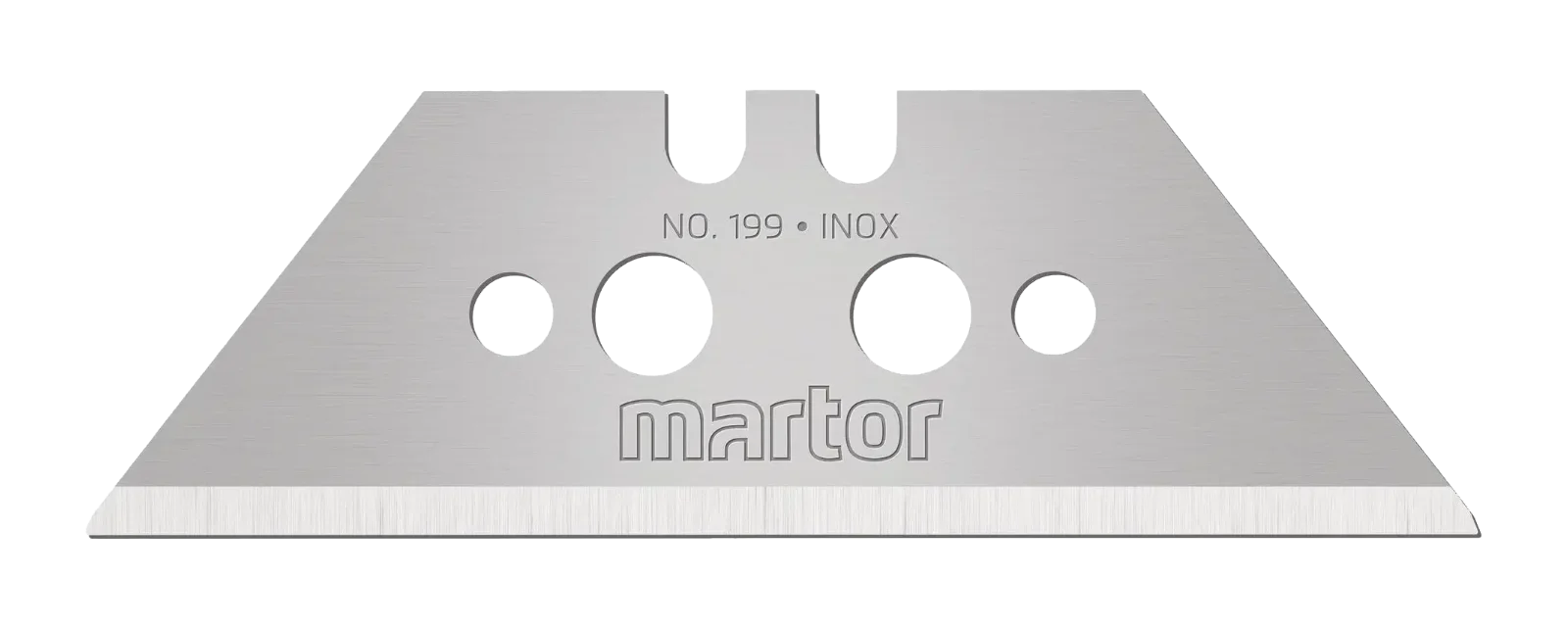 Stainless steelplain, double-bevel€7.32 excl. VATView KM199
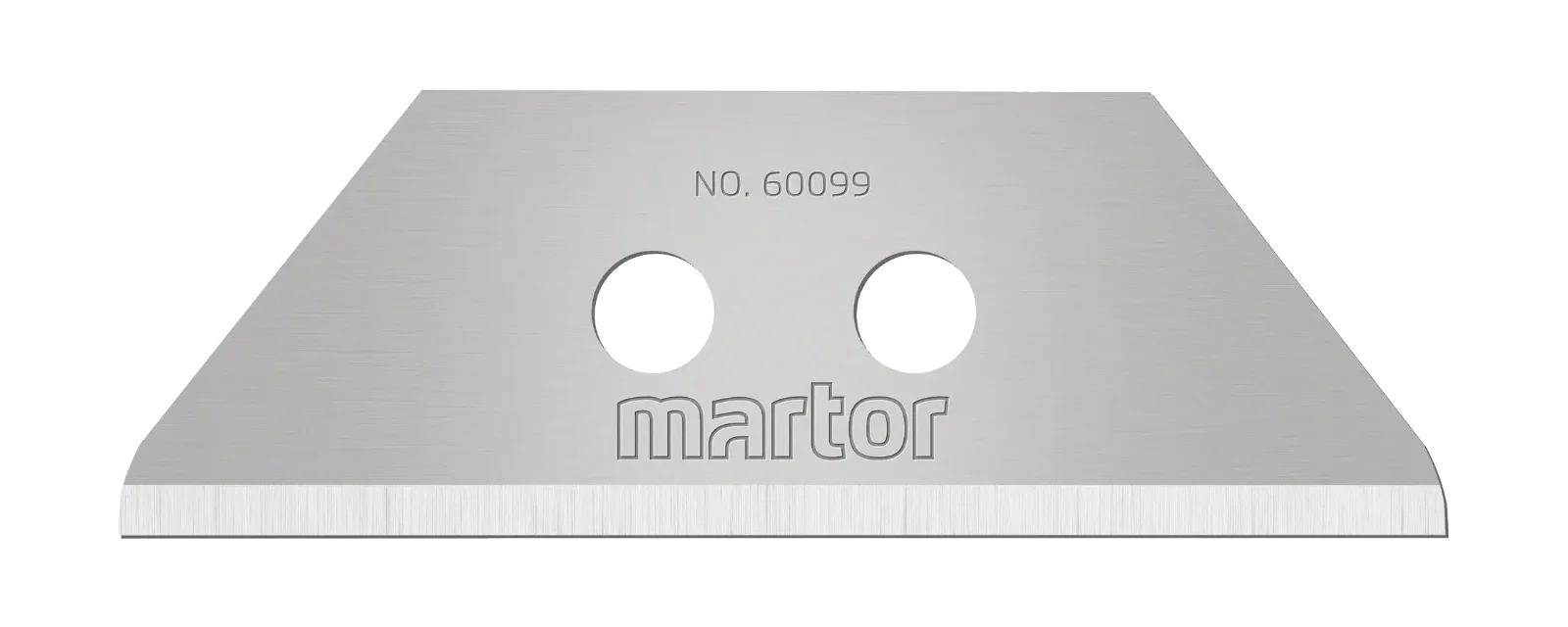 rounded cornersCarbon steelplain, double-bevel€5.43 excl. VATView KM60099
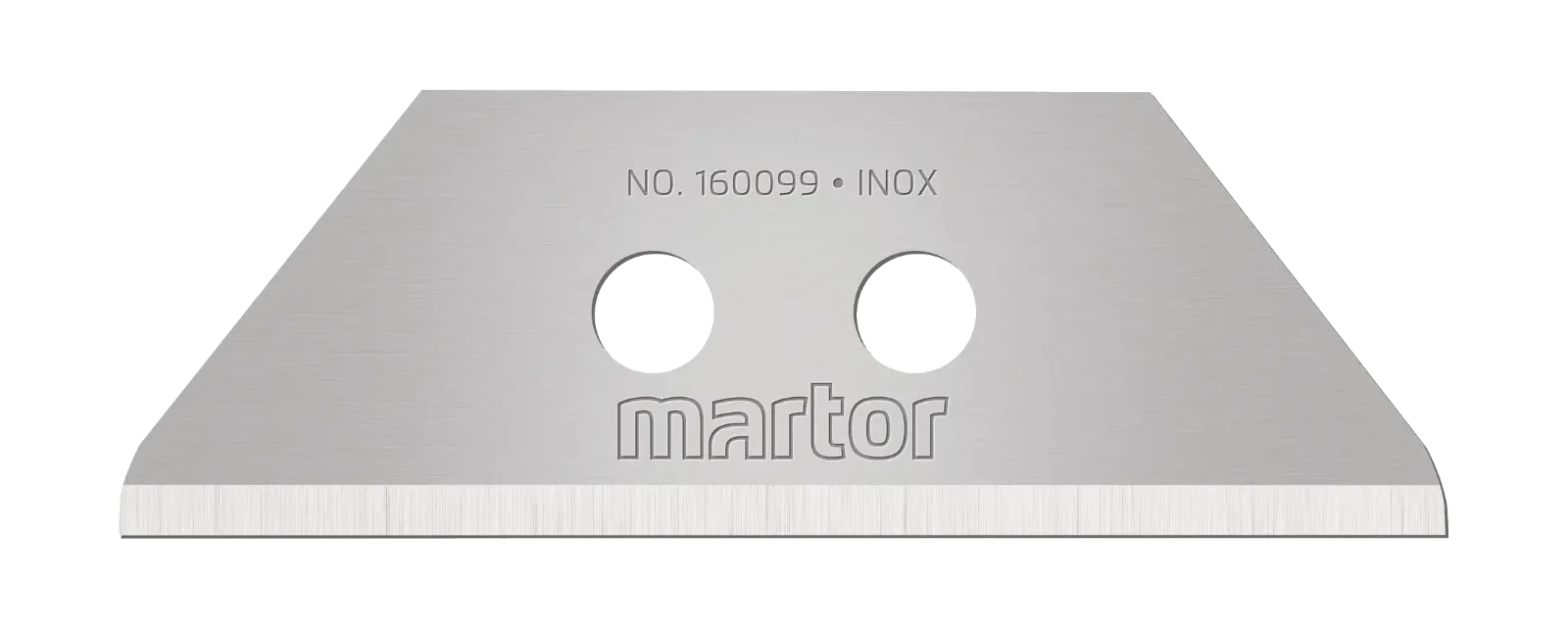 Stainless steel, rounded cornersStainless steelplain, double-bevel€7.75 excl. VATView KM160099
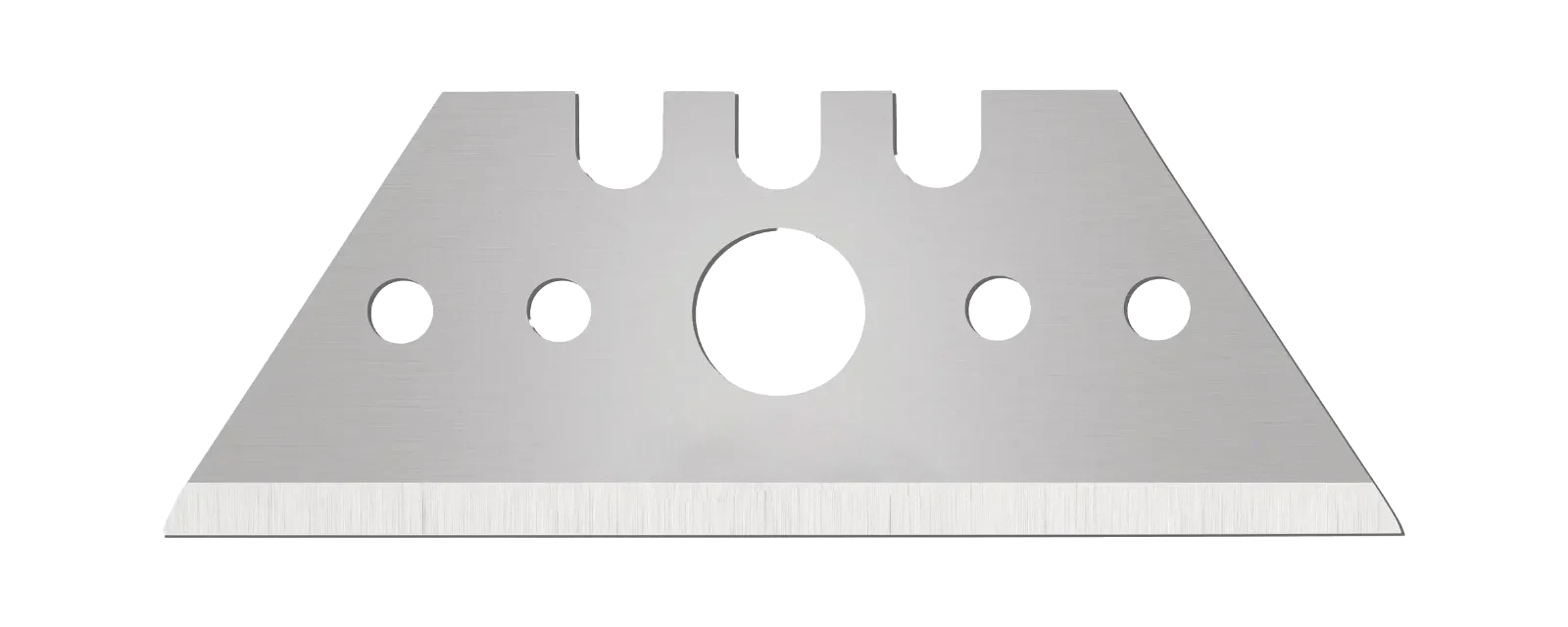 universalPremium carbon steelplain, double-bevel€2.66 excl. VATDurhamView K011
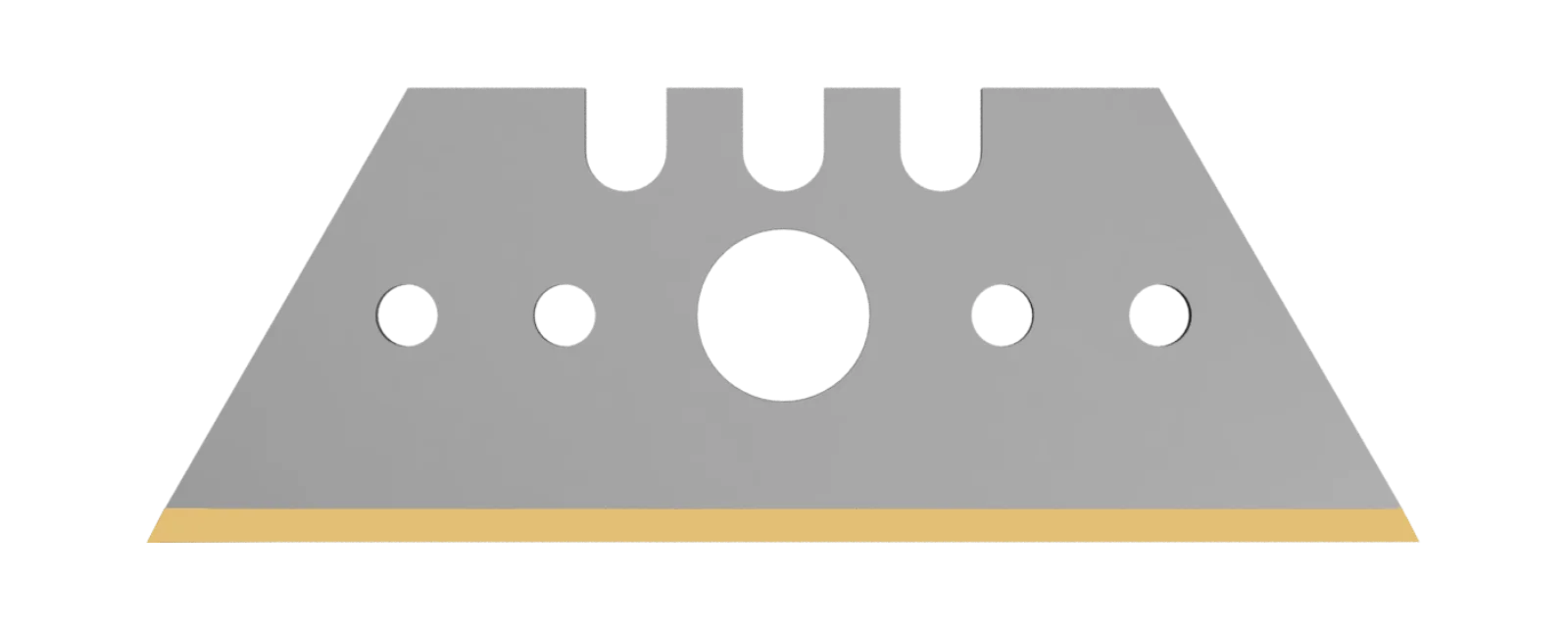 Stainless steelplain, double-bevel€5.32 excl. VATView KB1-ETiNPremium carbon steel, TiN coatedplain, double-bevel€4.35 excl. VATView KB1-N5
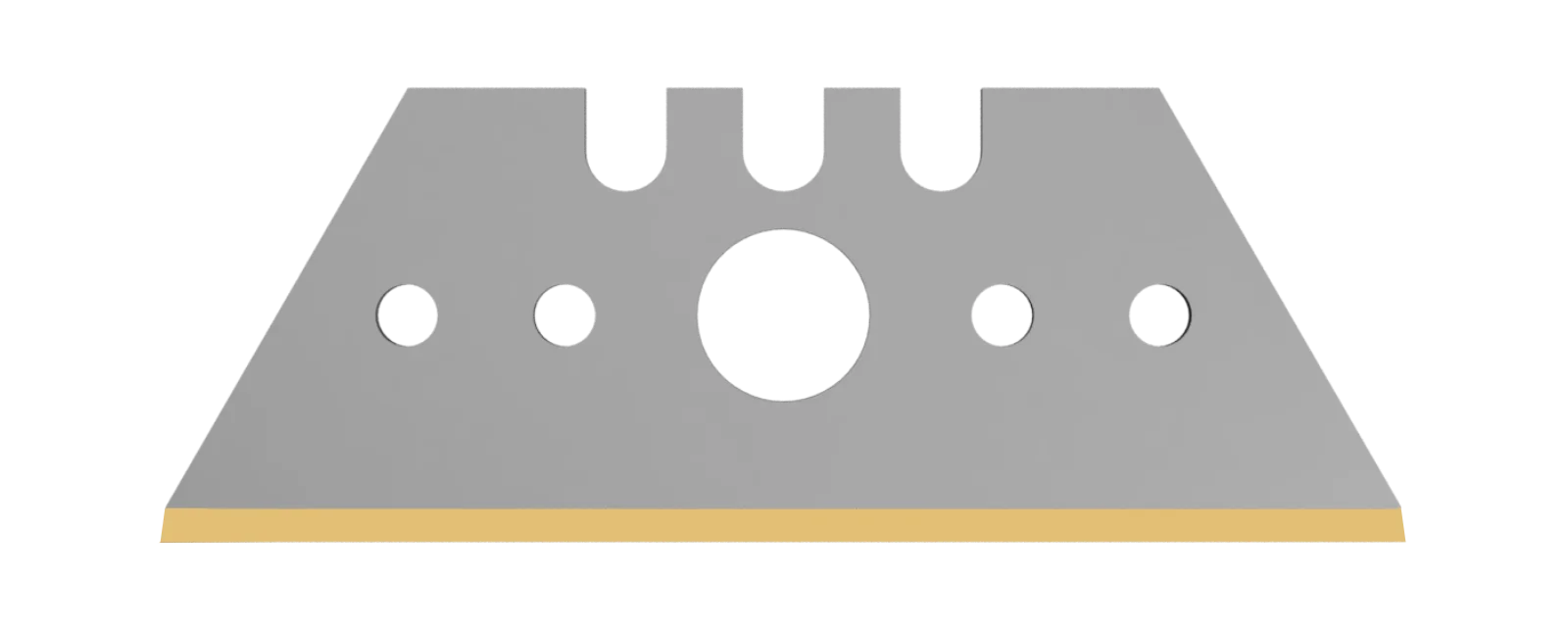 TiN, rounded cornersPremium carbon steel, TiN coatedplain, double-bevel€5.32 excl. VATView KB1-N5R
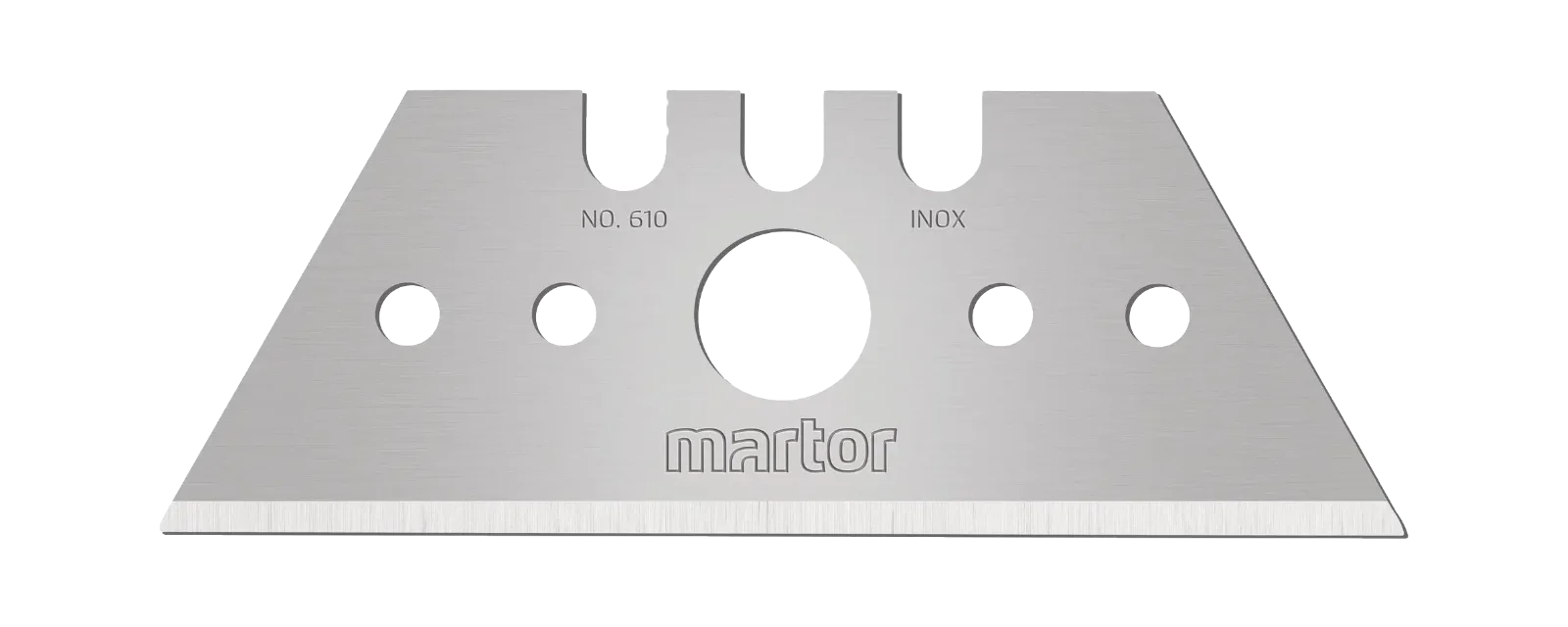 Stainless steelplain, double-bevel€4.68 excl. VATView KM610
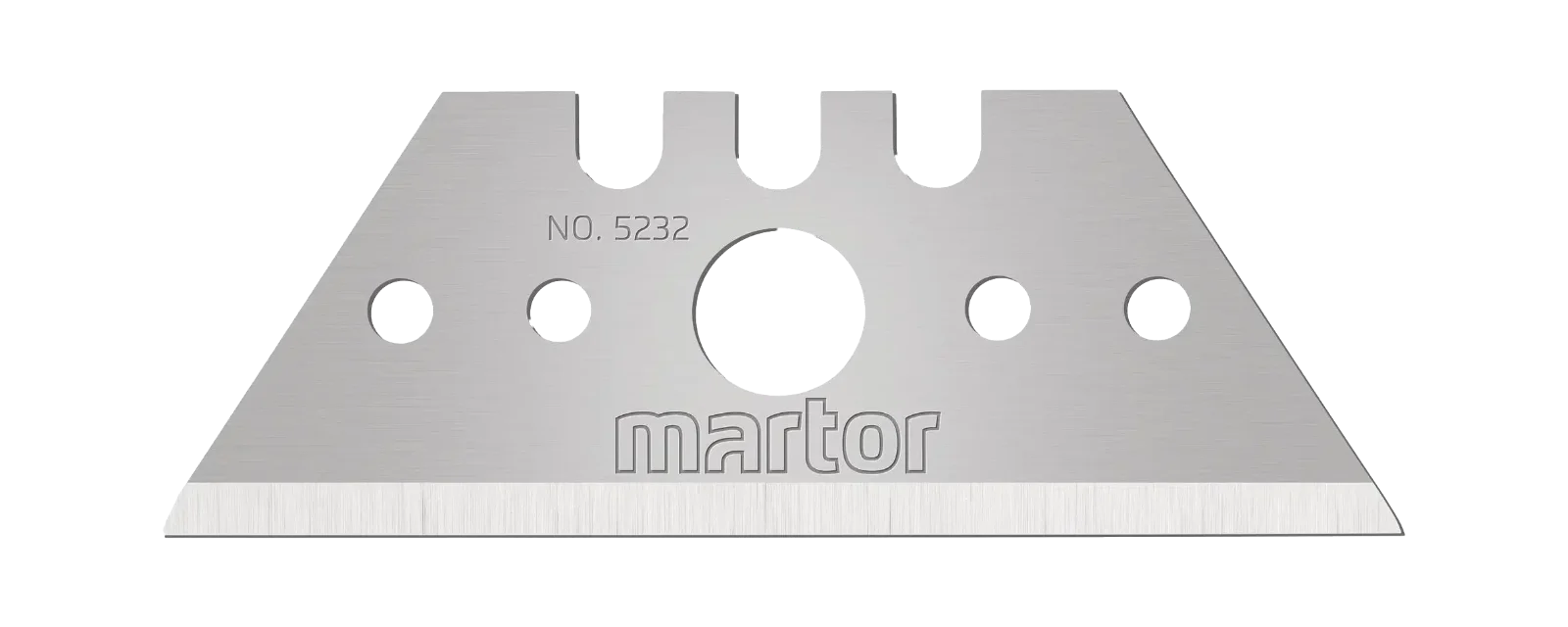 universalPremium carbon steelplain, double-bevel€4.78 excl. VATView KM5232
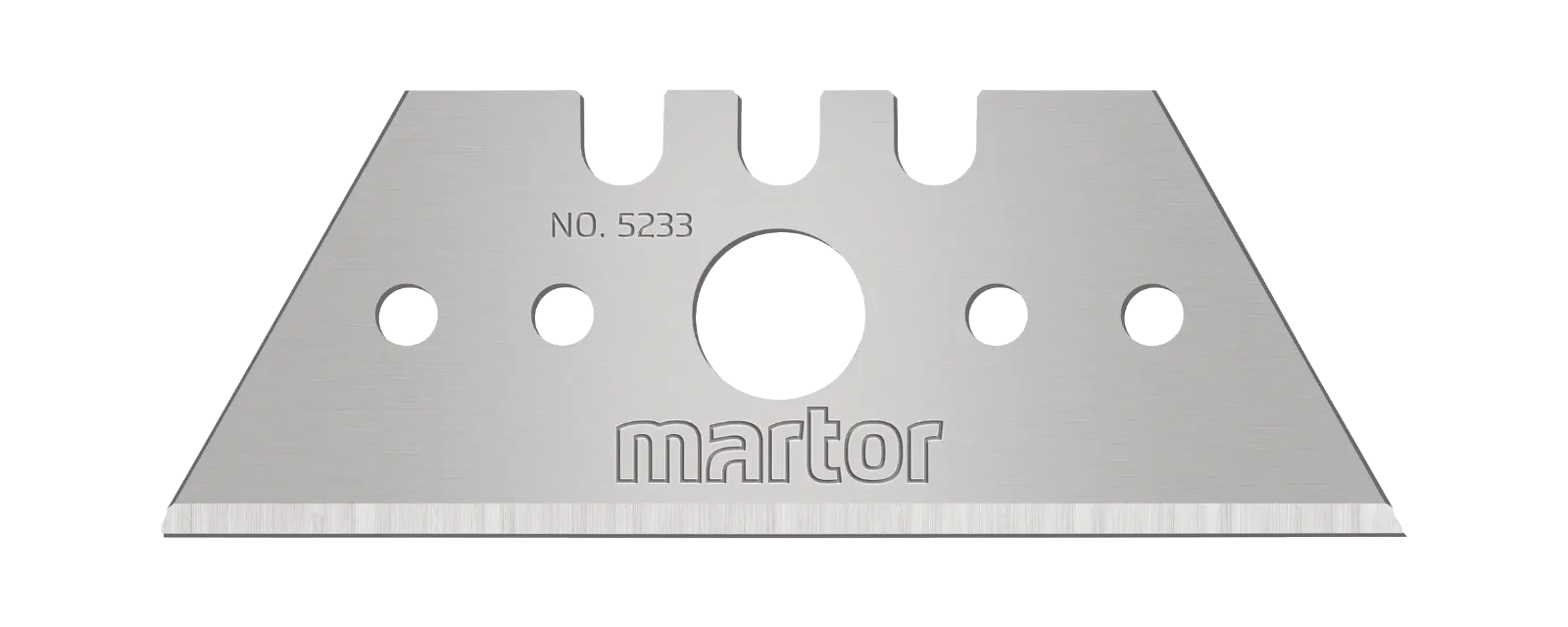 single-bevel grindPremium carbon steelplain, single-bevel€4.68 excl. VATView KM5233
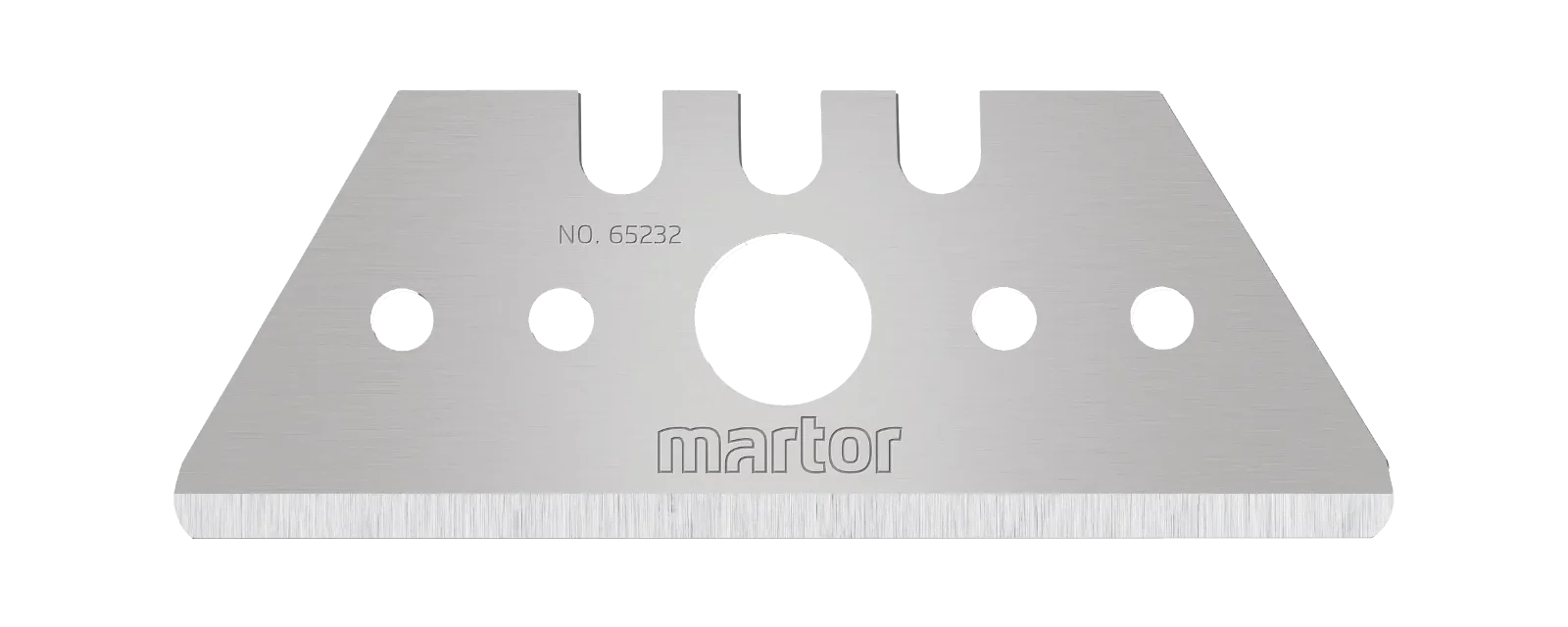 Triple bevelPremium carbon steelplain, double-bevel€5.20 excl. VATView KM65232
 Stainless steel, rounded cornersStainless steelplain, double-bevel€8.20 excl. VATView KM165232
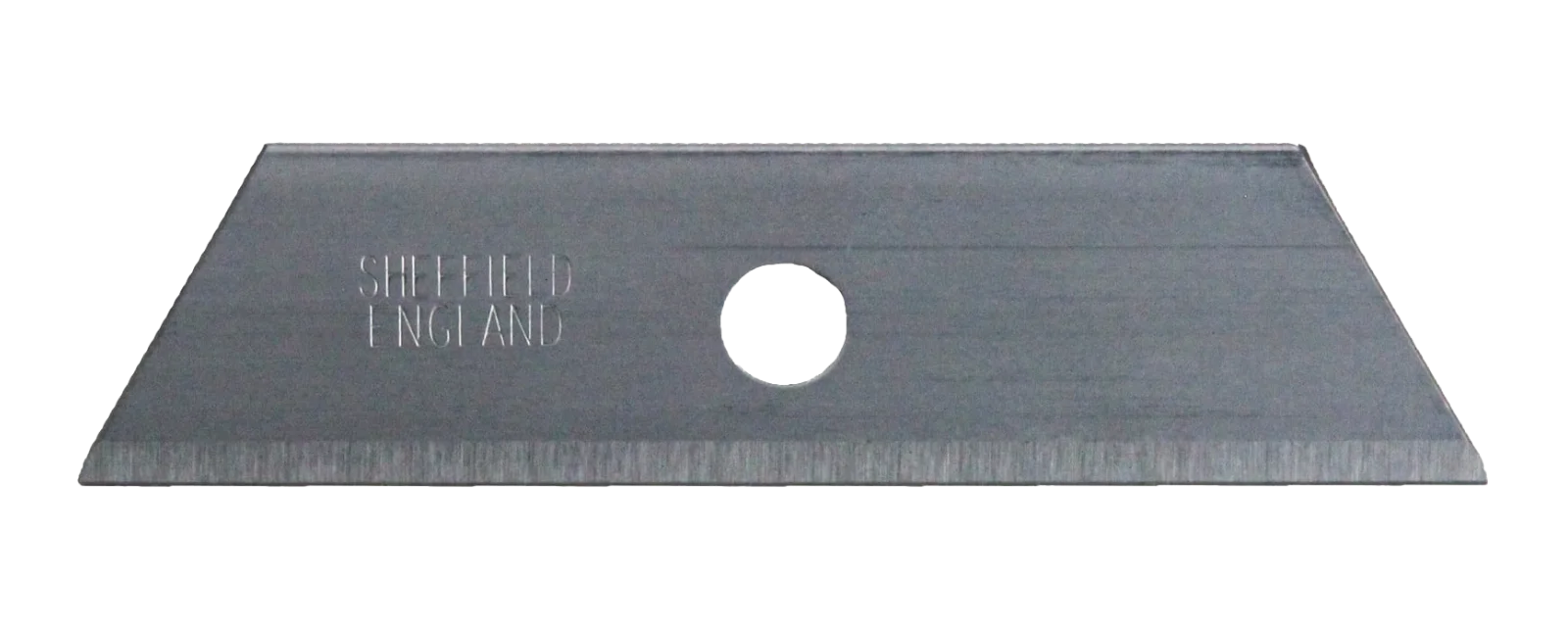 extra longCarbon steelplain, double-bevel€3.43 excl. VATDurhamView K010
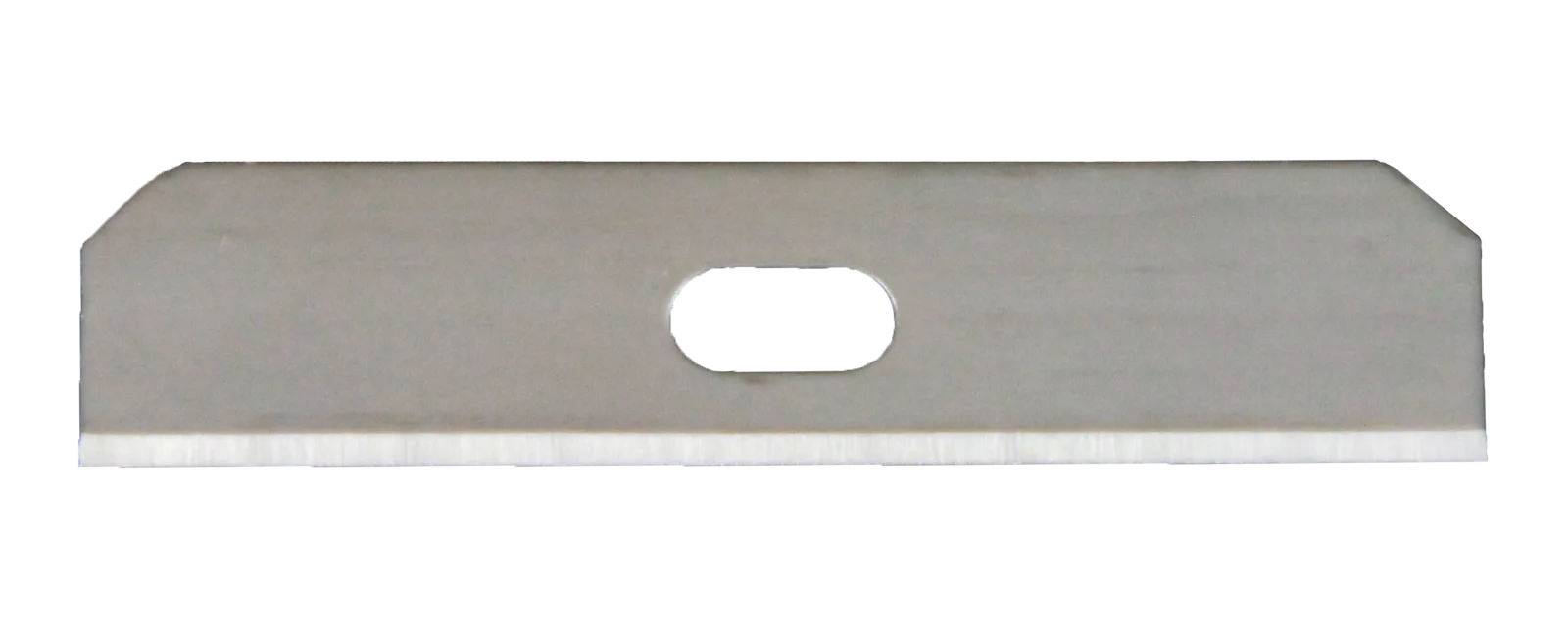 for U003Carbon steelplain, double-bevel€2.04 excl. VATXWView K018
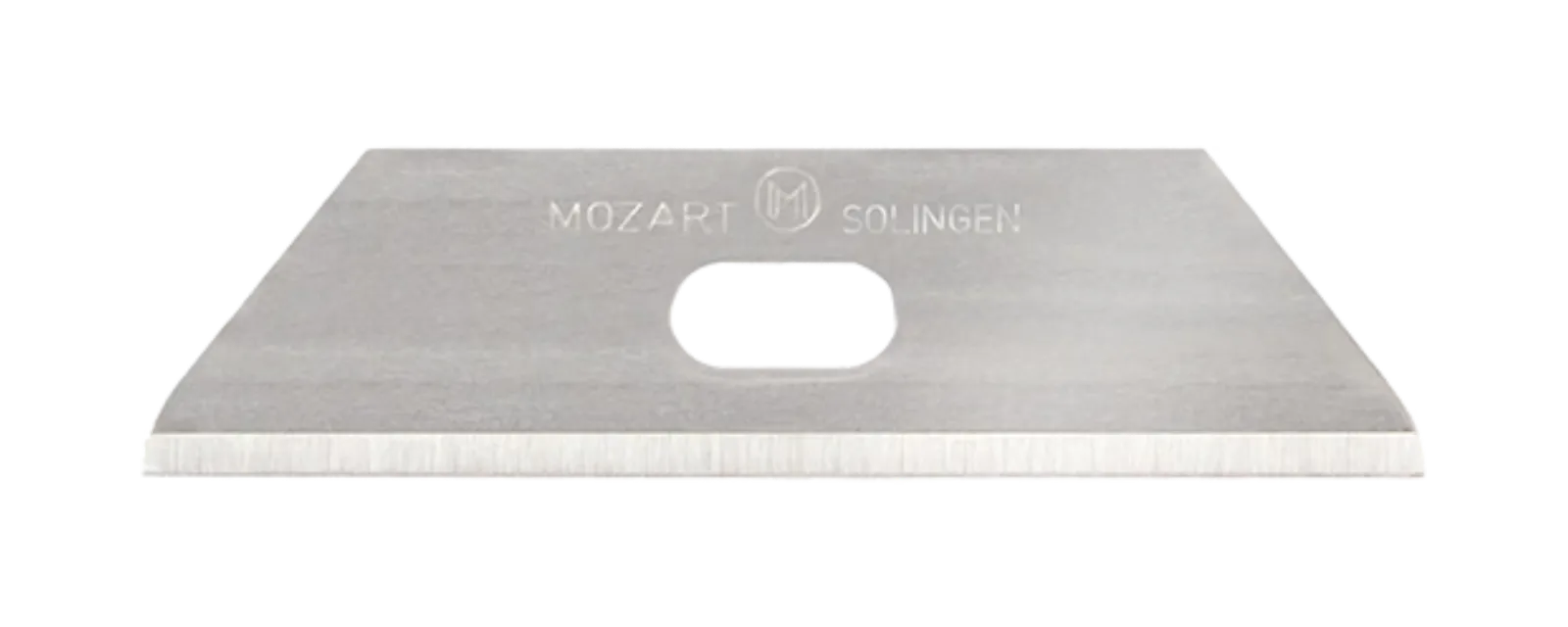 for UAS100Carbon steelplain, double-bevel€7.99 excl. VAT
 View K020
 Stainless steel, extra longStainless steelplain, double-bevel€9.85 excl. VAT
 View K022
 short, rounded cornersPremium carbon steelplain, double-bevel€5.40 excl. VATView KM60095
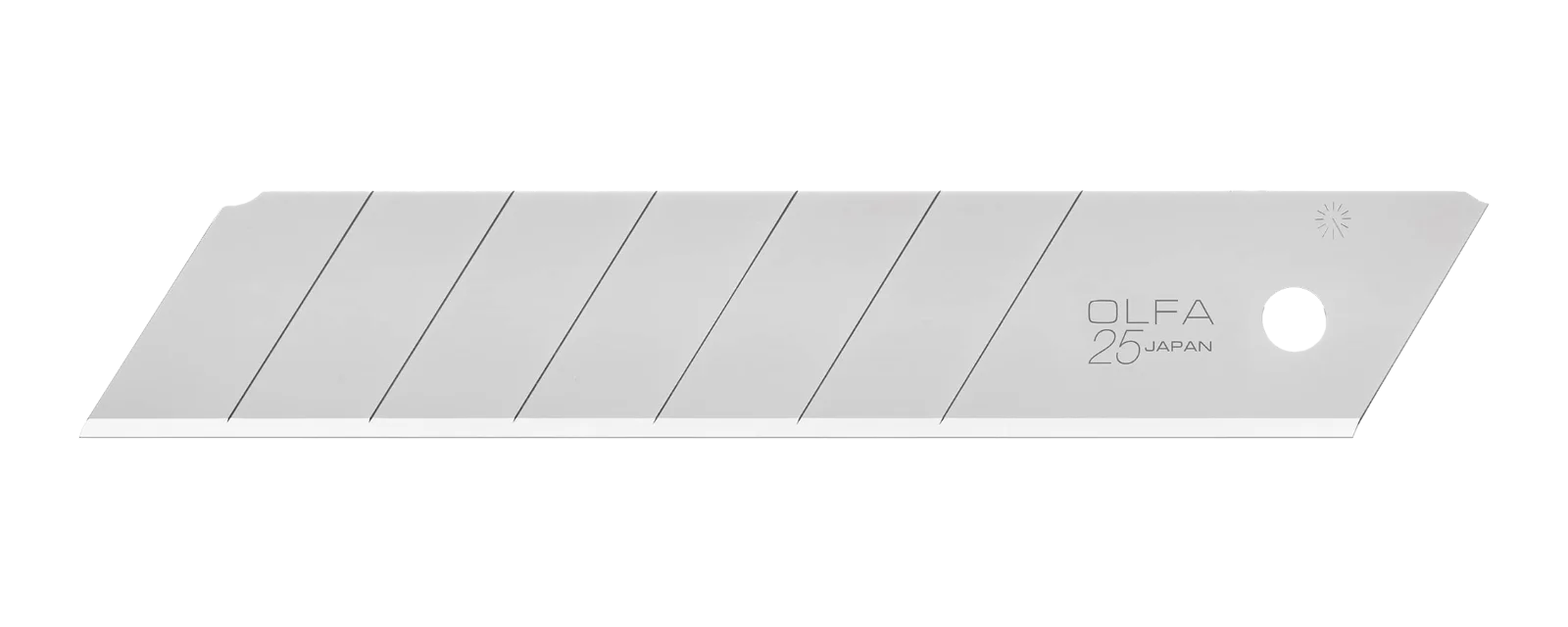
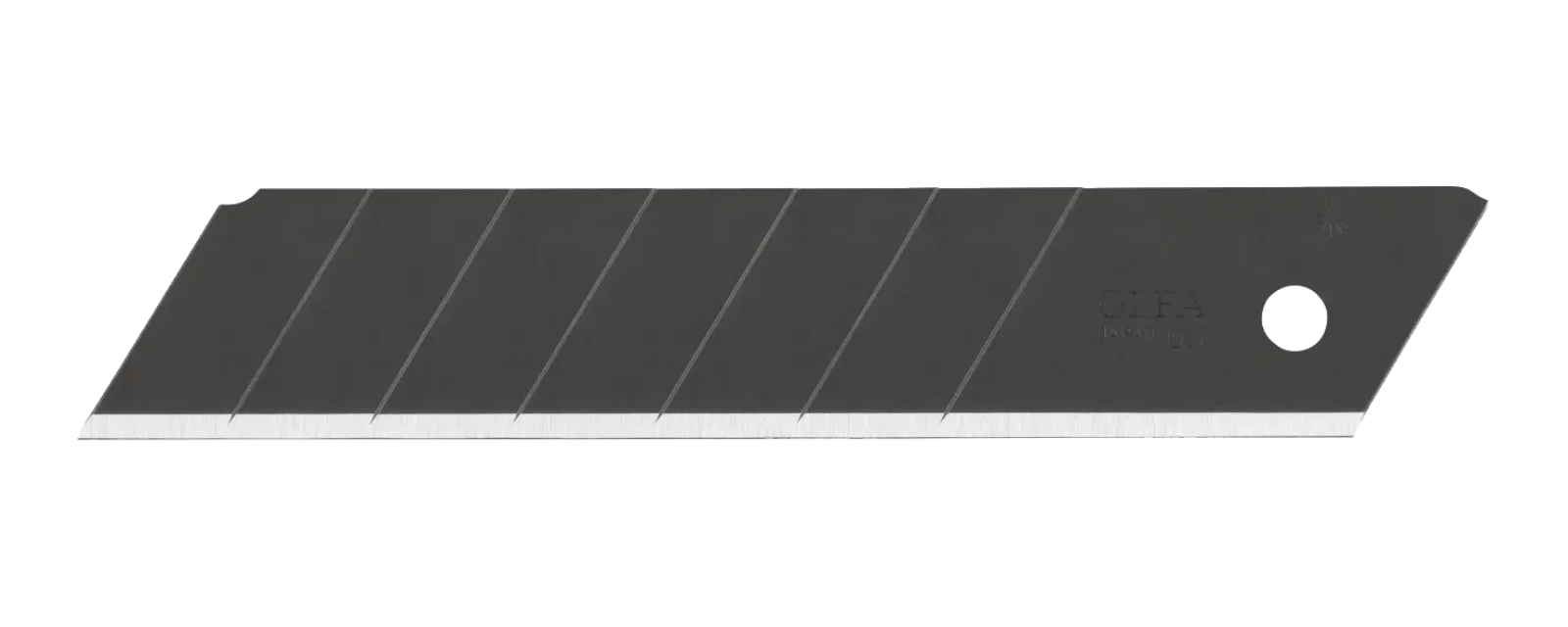
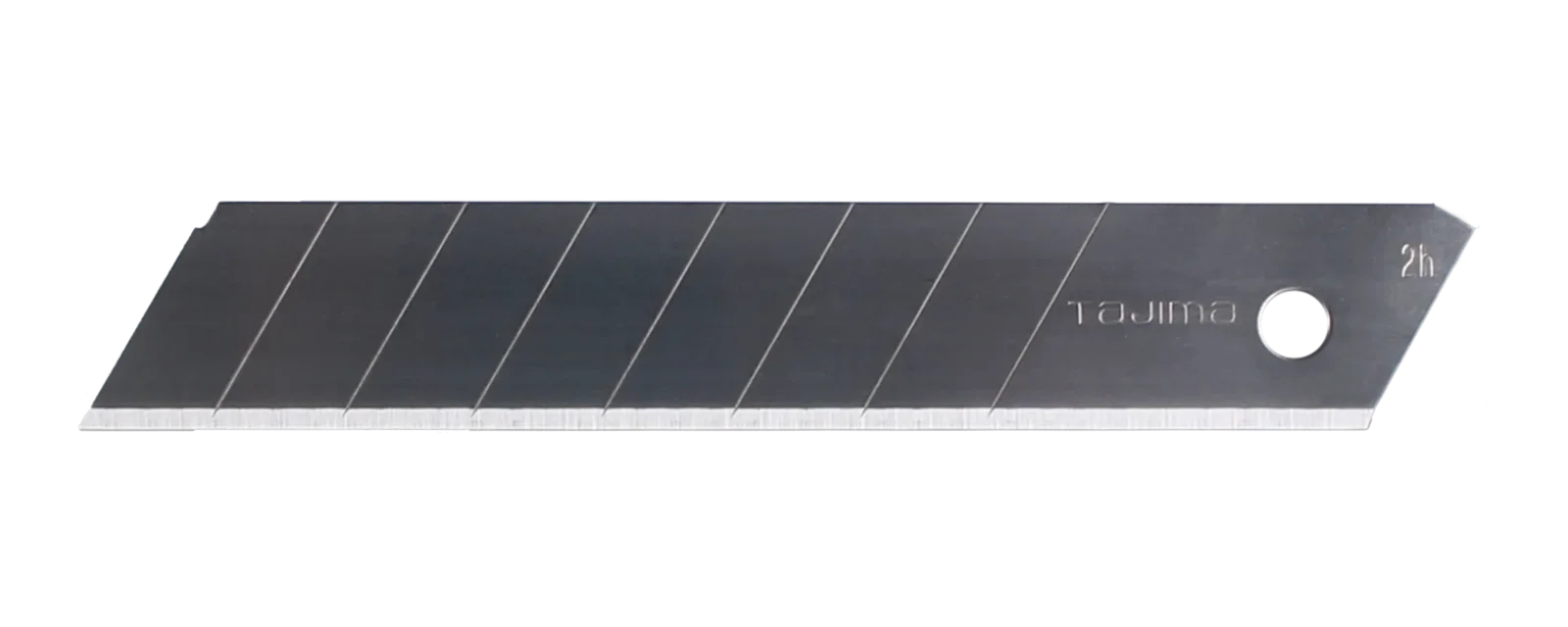 very high initial sharpnessCarbon steel, black coatedplain, double-bevel€4.04 excl. VATView K041
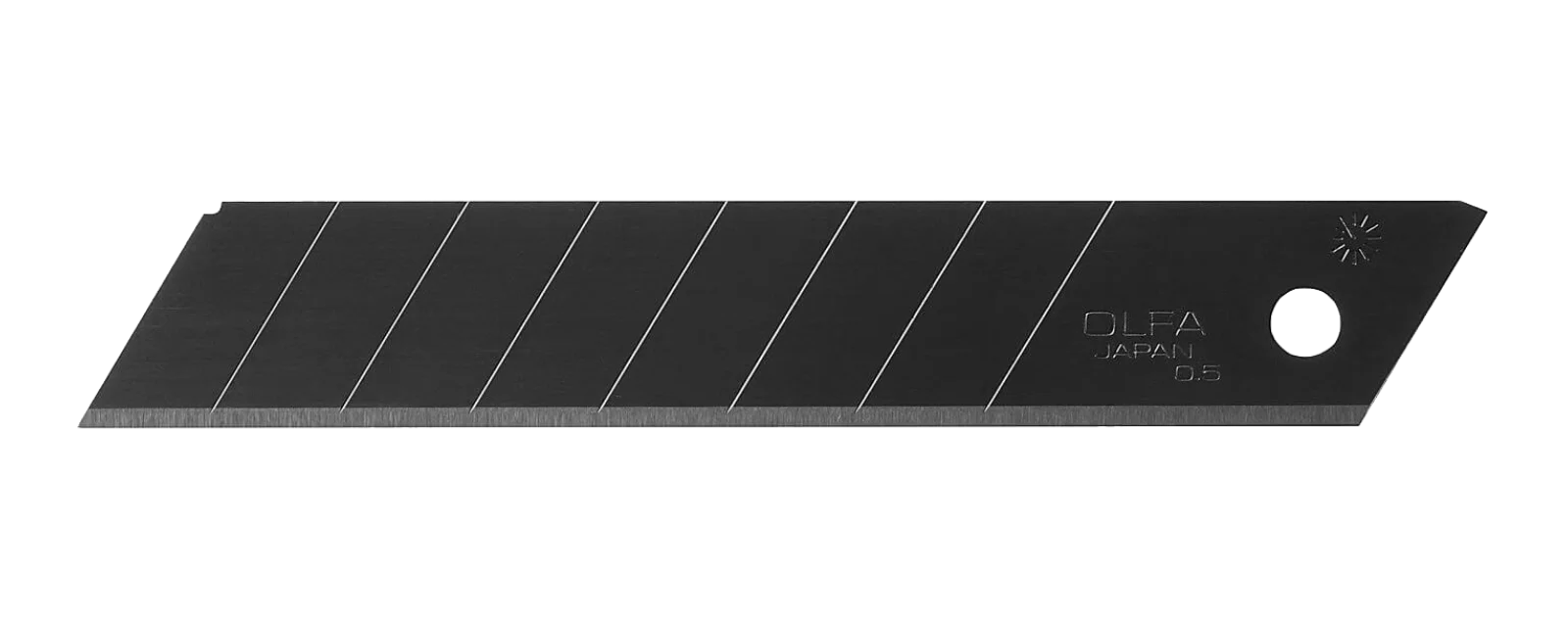 very high initial sharpnessCarbon steel, black coatedplain, double-bevelfrom €4.29 excl. VATView K041O
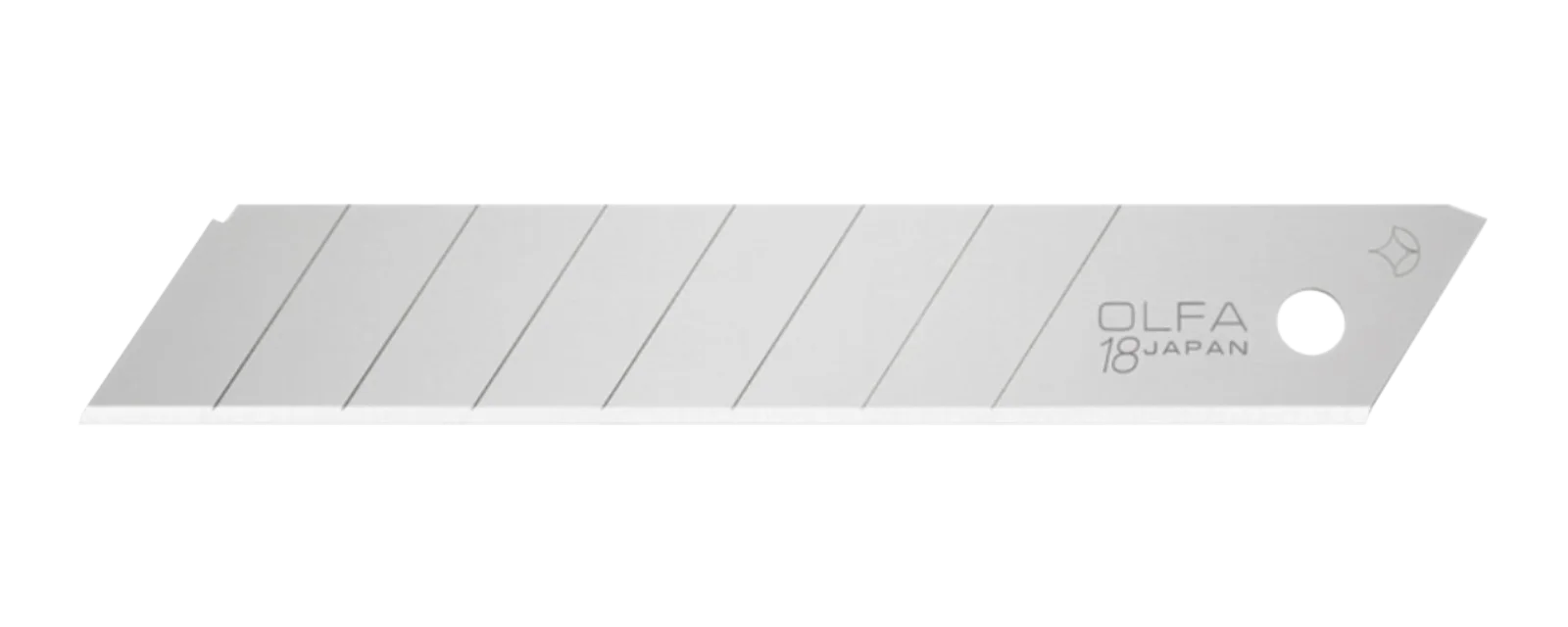 Standard, 8 segmentsCarbon steelplain, double-bevelfrom €4.29 excl. VATView KLB10
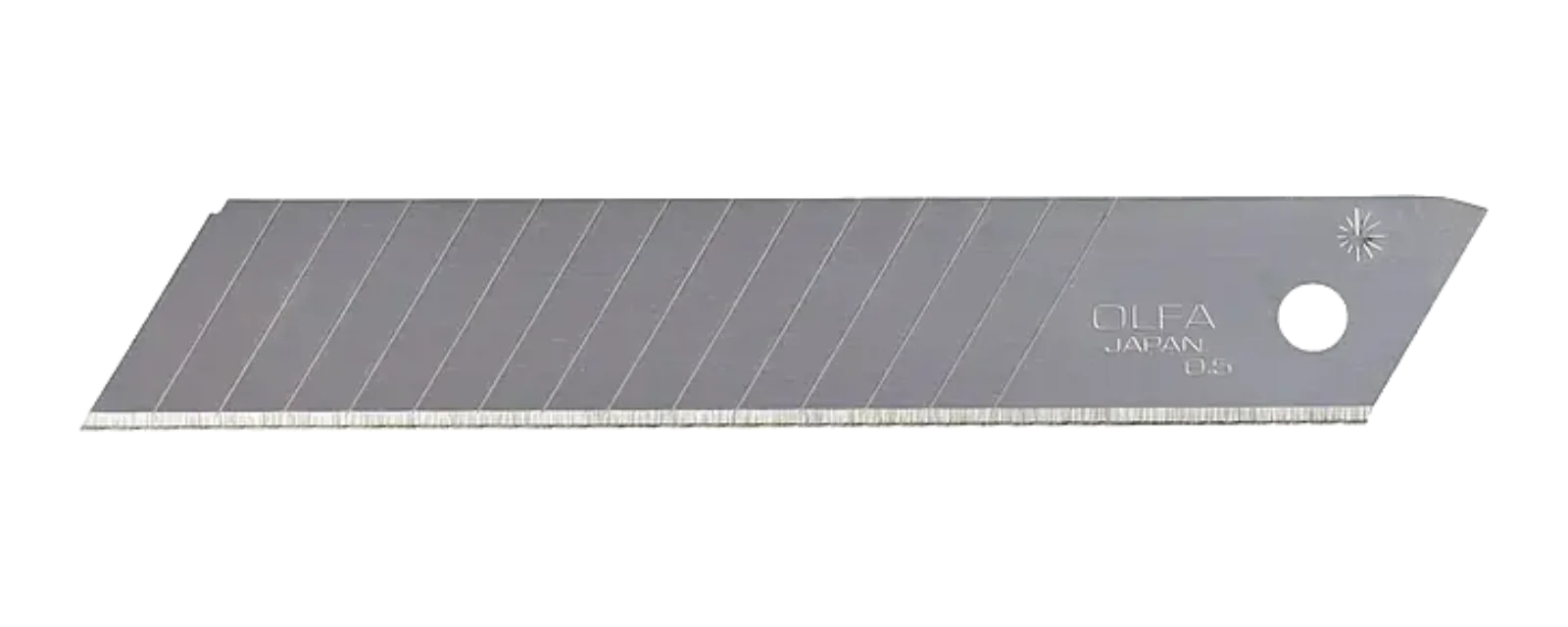 universalCarbon steelplain, double-bevel€6.76 excl. VATView KLBD
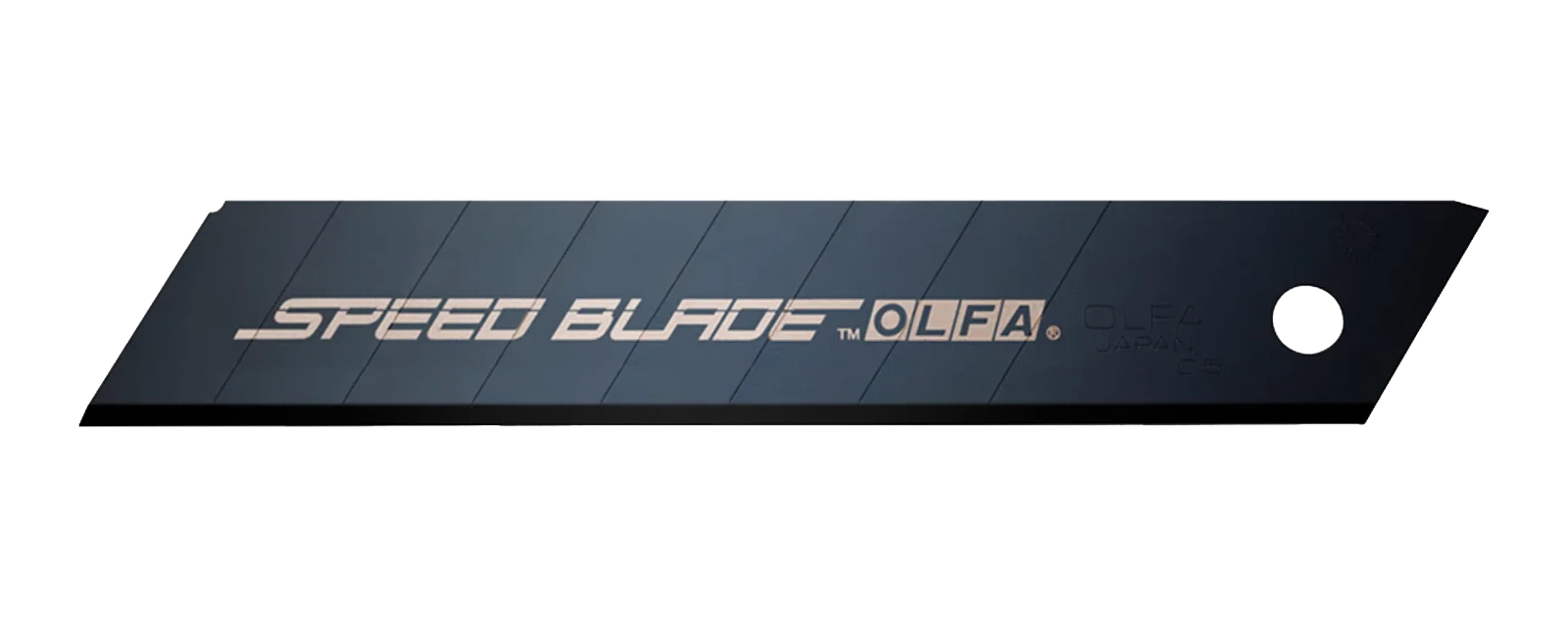 very high initial sharpness, TeflonPremium carbon steel, black coatedplain, double-bevel€6.50 excl. VATView KLFB
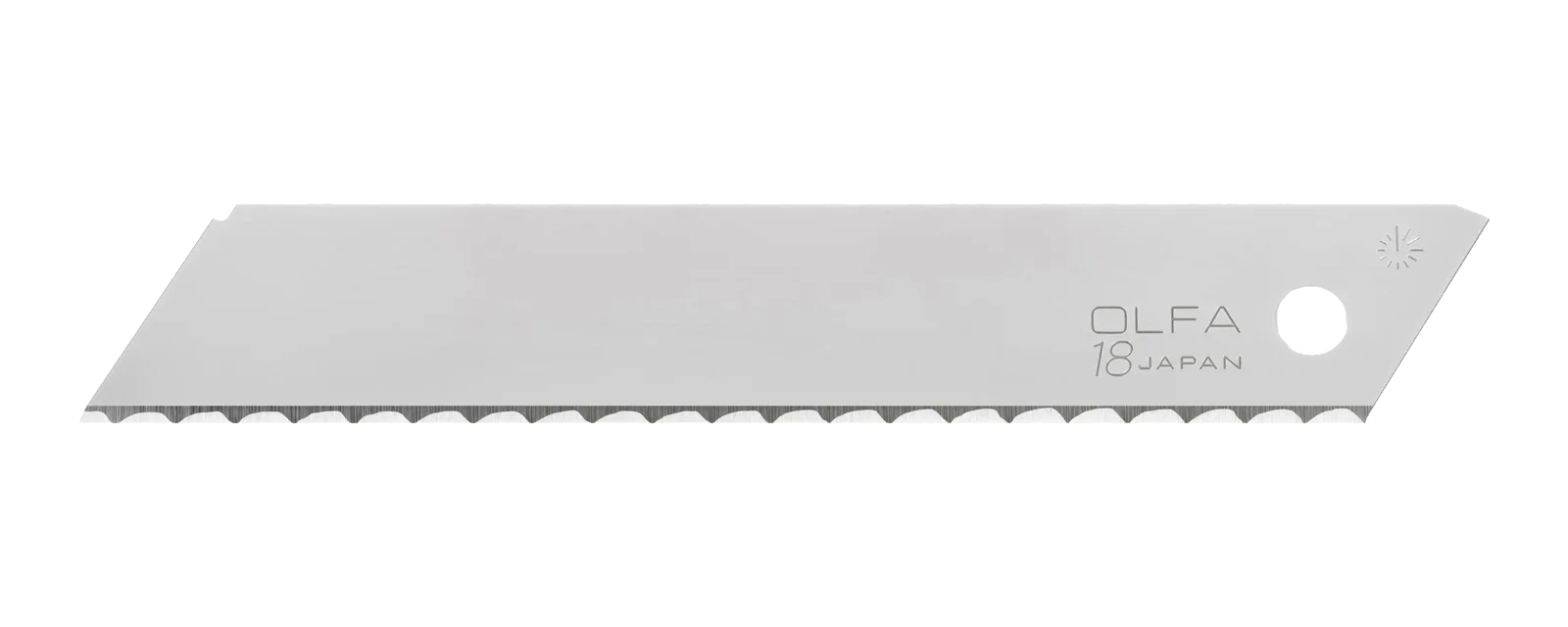 Serrated grindCarbon steel€5.94 excl. VATView KLWB
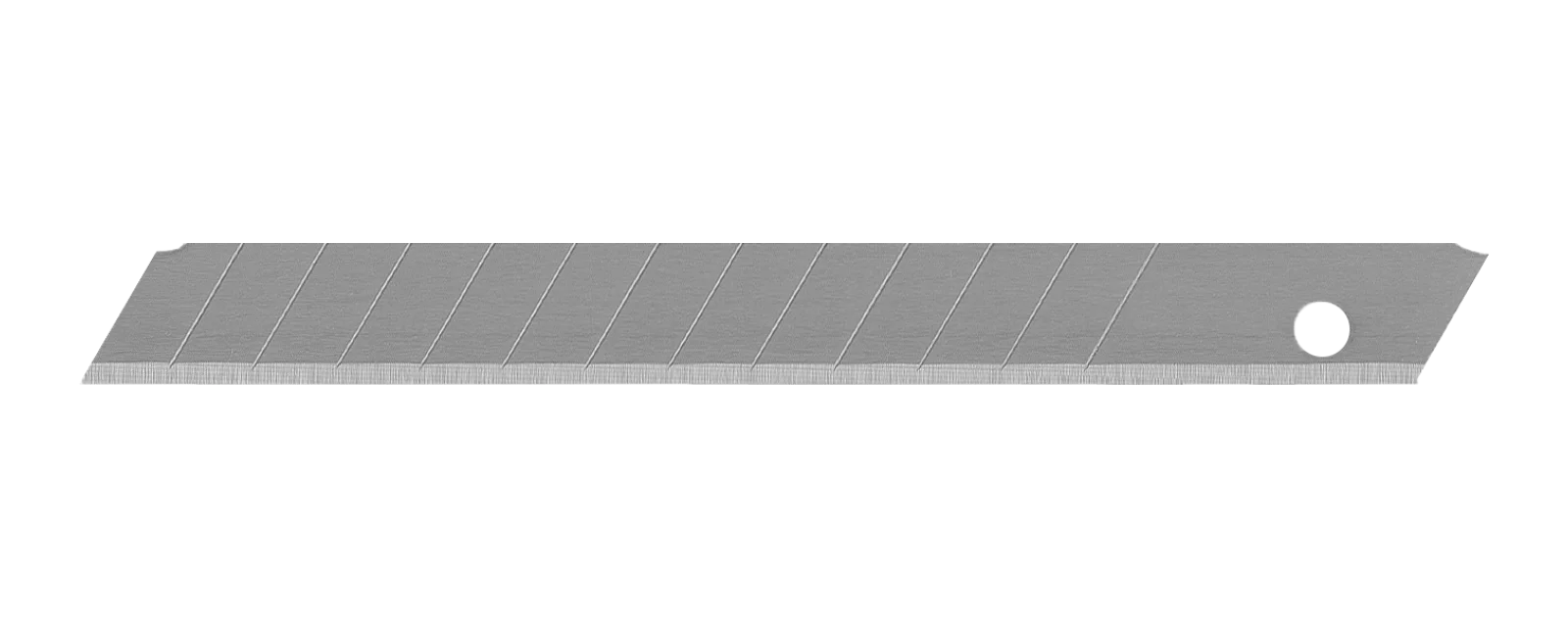 universalPremium carbon steelplain, double-bevel€2.97 excl. VATView K061M
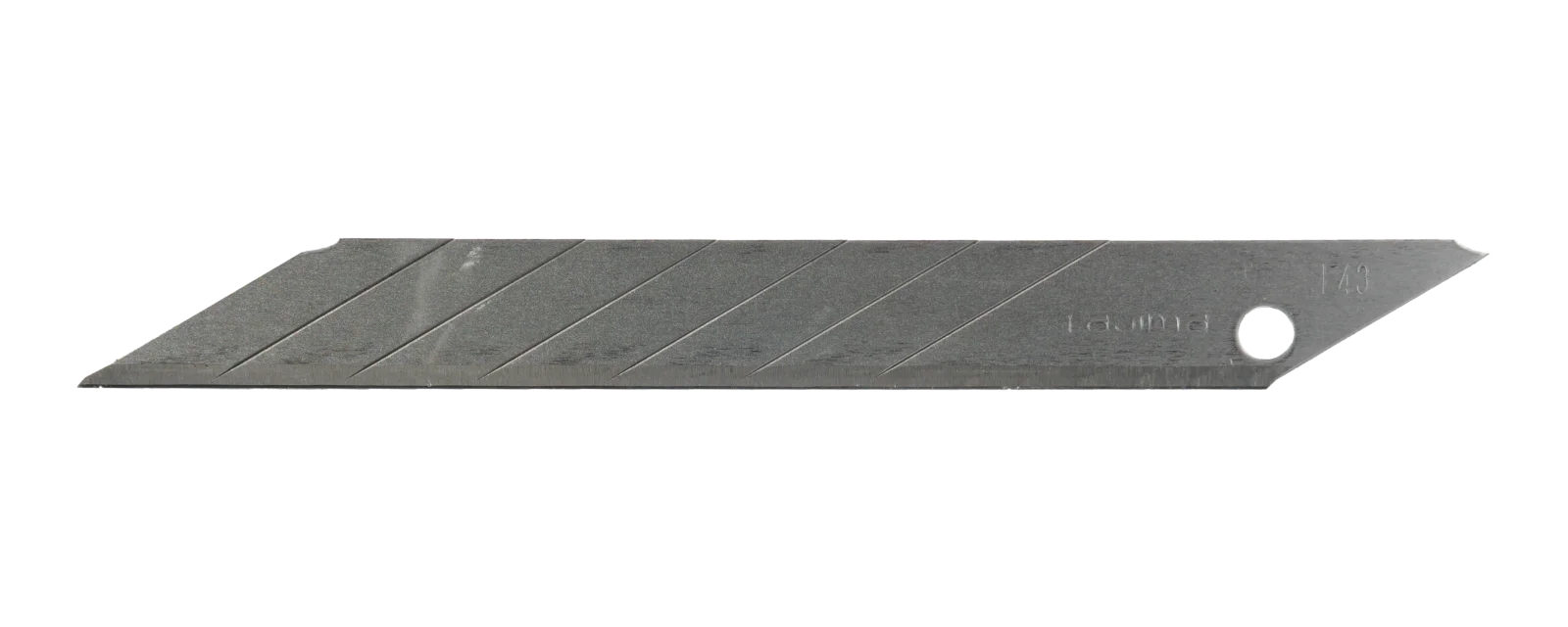 30° pointedPremium carbon steelplain, double-bevel€3.28 excl. VATView K062
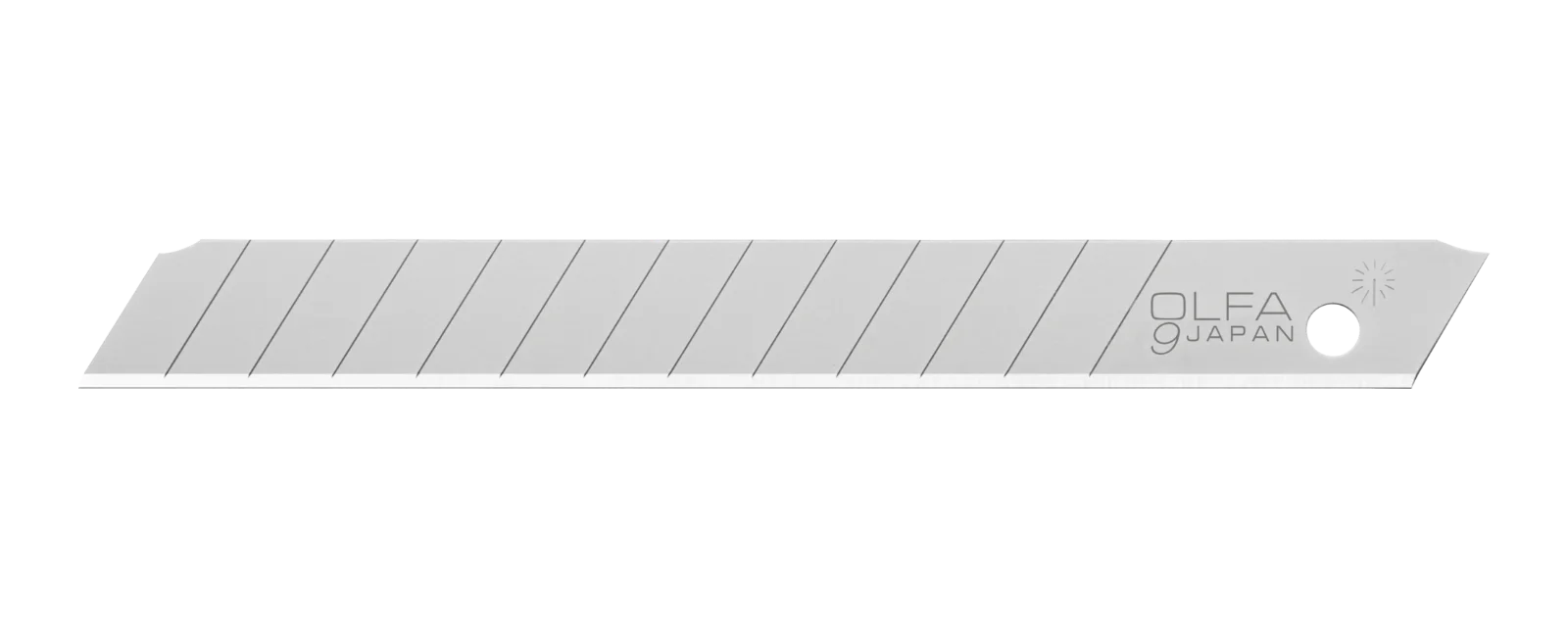 Stainless steelplain, double-bevelfrom €6.66 excl. VATView K065
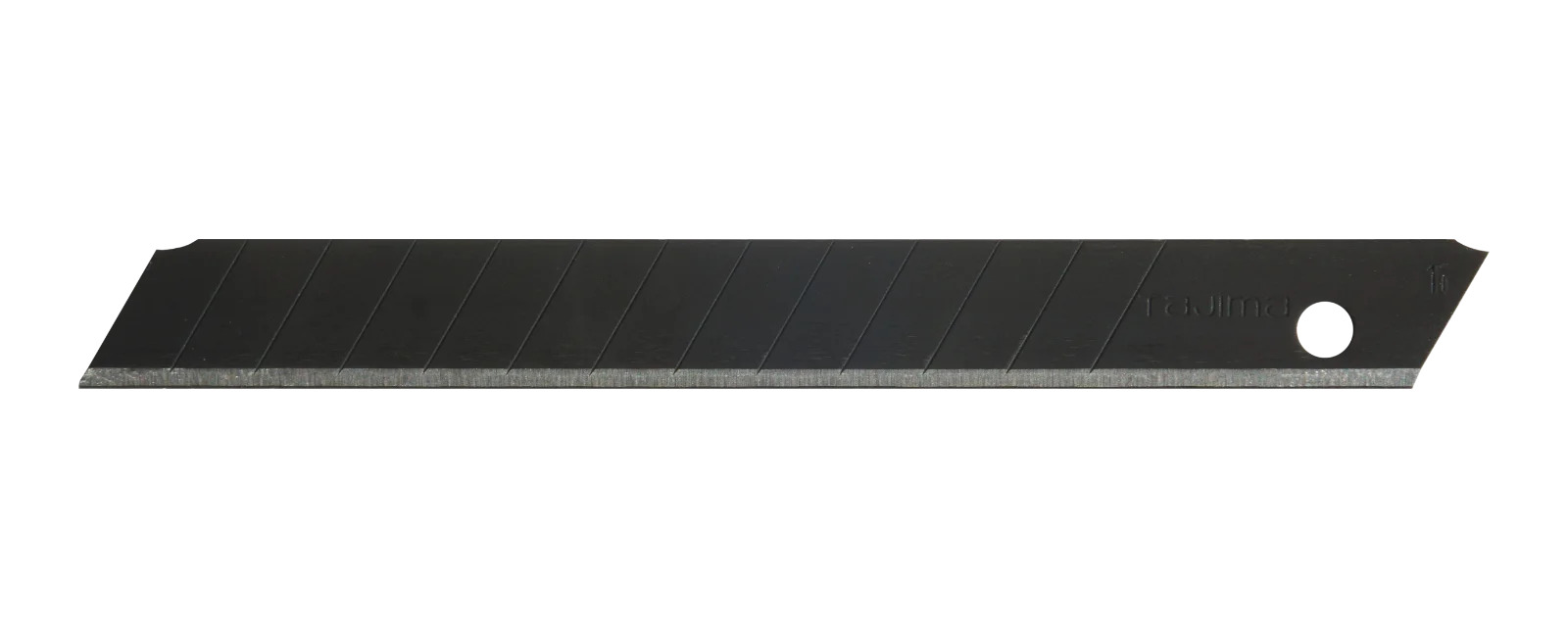 Extra high initial sharpnessPremium carbon steel, black coatedplain, double-bevel€3.78 excl. VATView K066
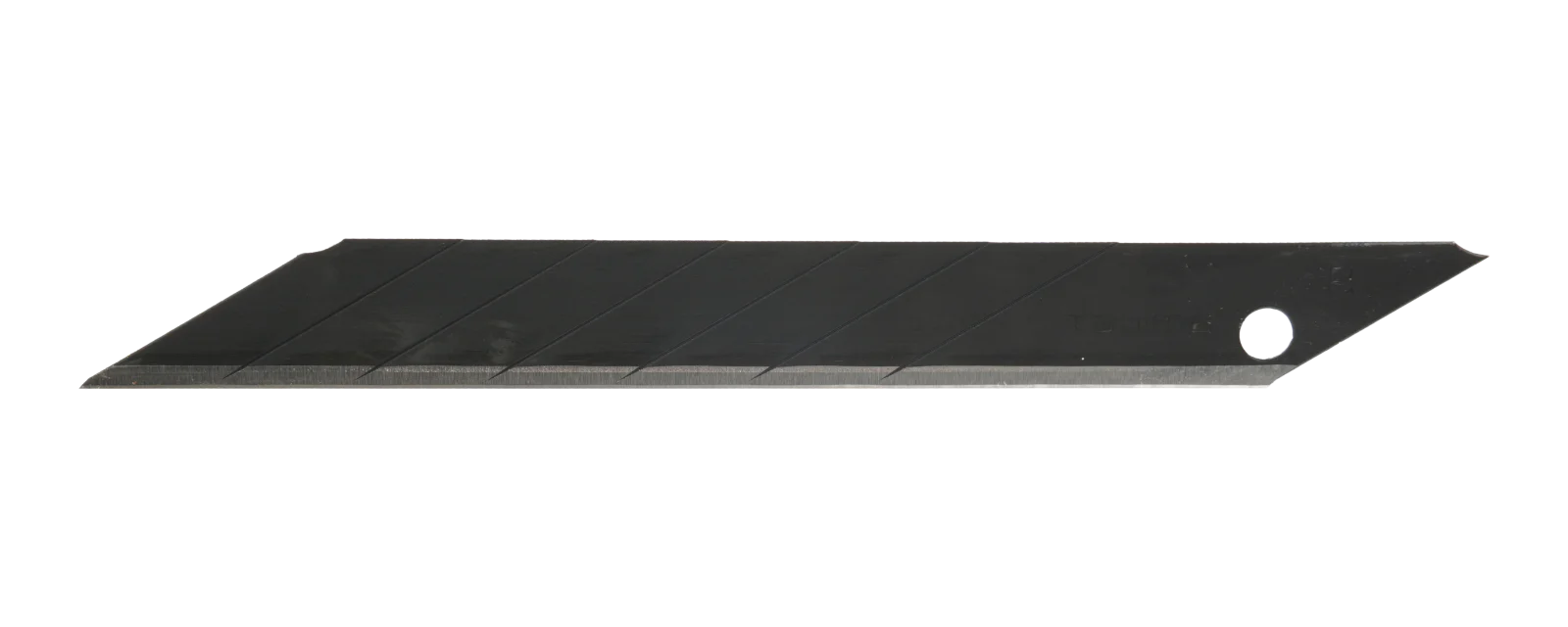 extra high initial sharpness - 30° pointedPremium carbon steel, black coatedplain, double-bevel€3.57 excl. VATView K067
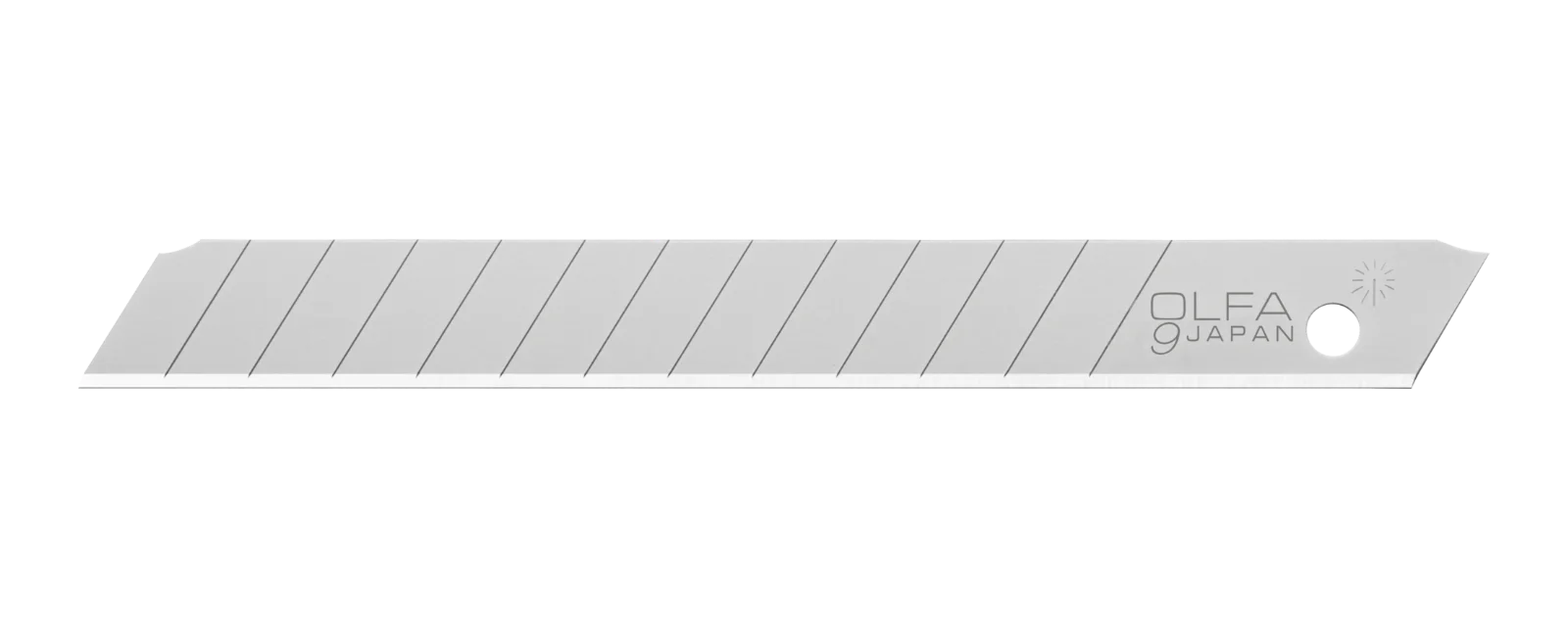 universalPremium carbon steelplain, double-bevel€3.87 excl. VATView KAB
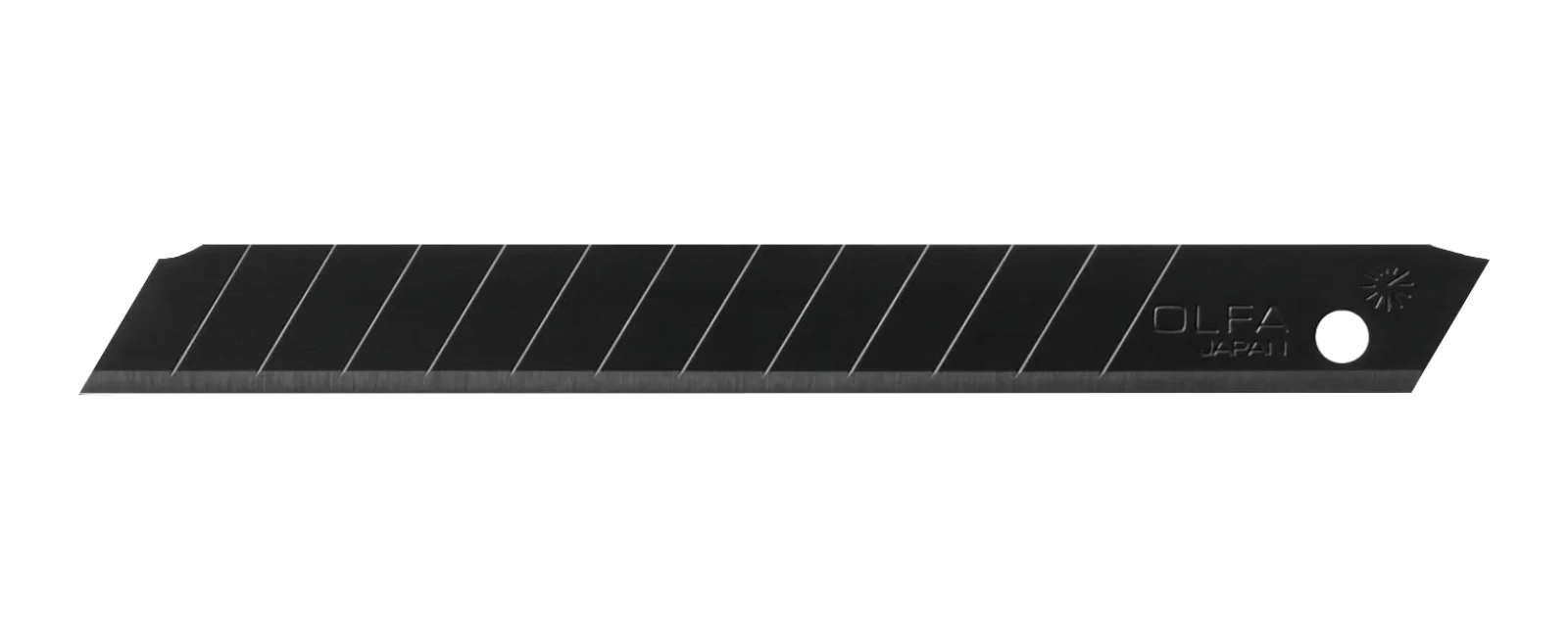 very high initial sharpnessPremium carbon steel, black coatedplain, double-bevel€3.87 excl. VATView KABB
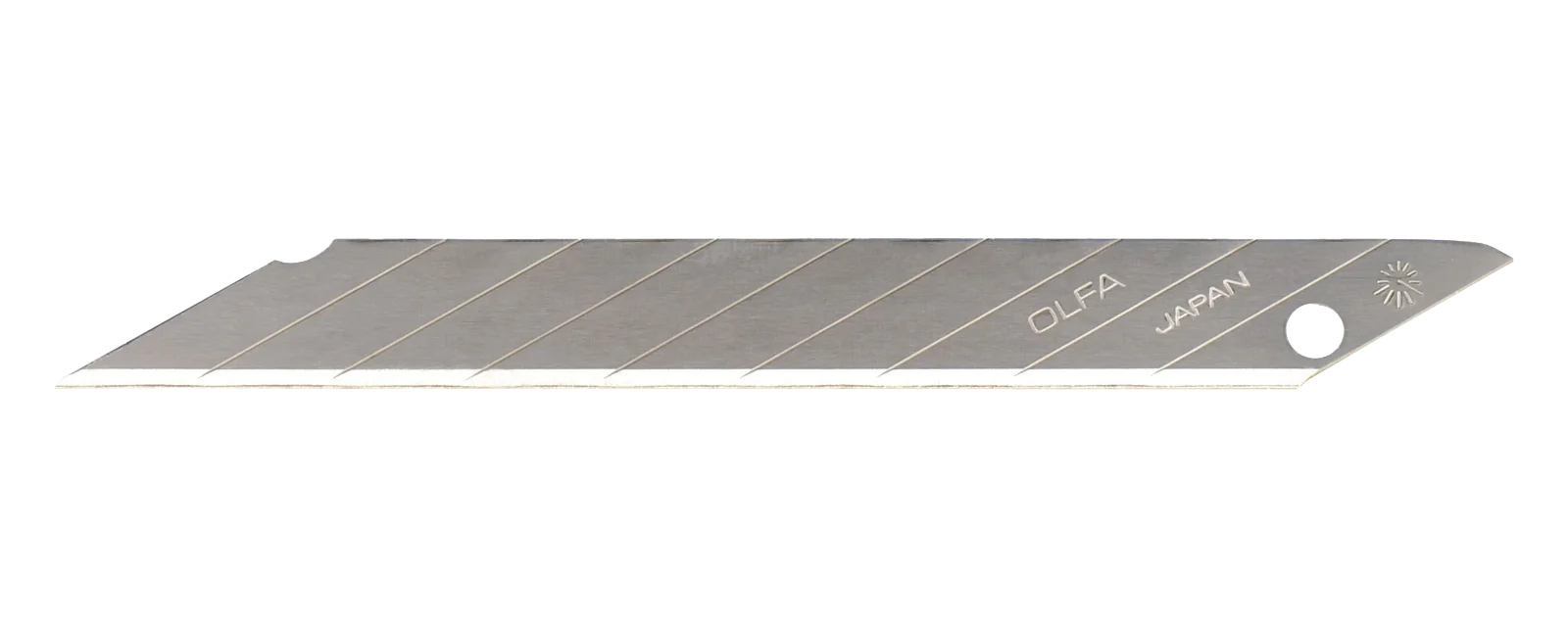 30° pointed, more segmentsCarbon steelplain, double-bevel€2.56 excl. VATView KDKB
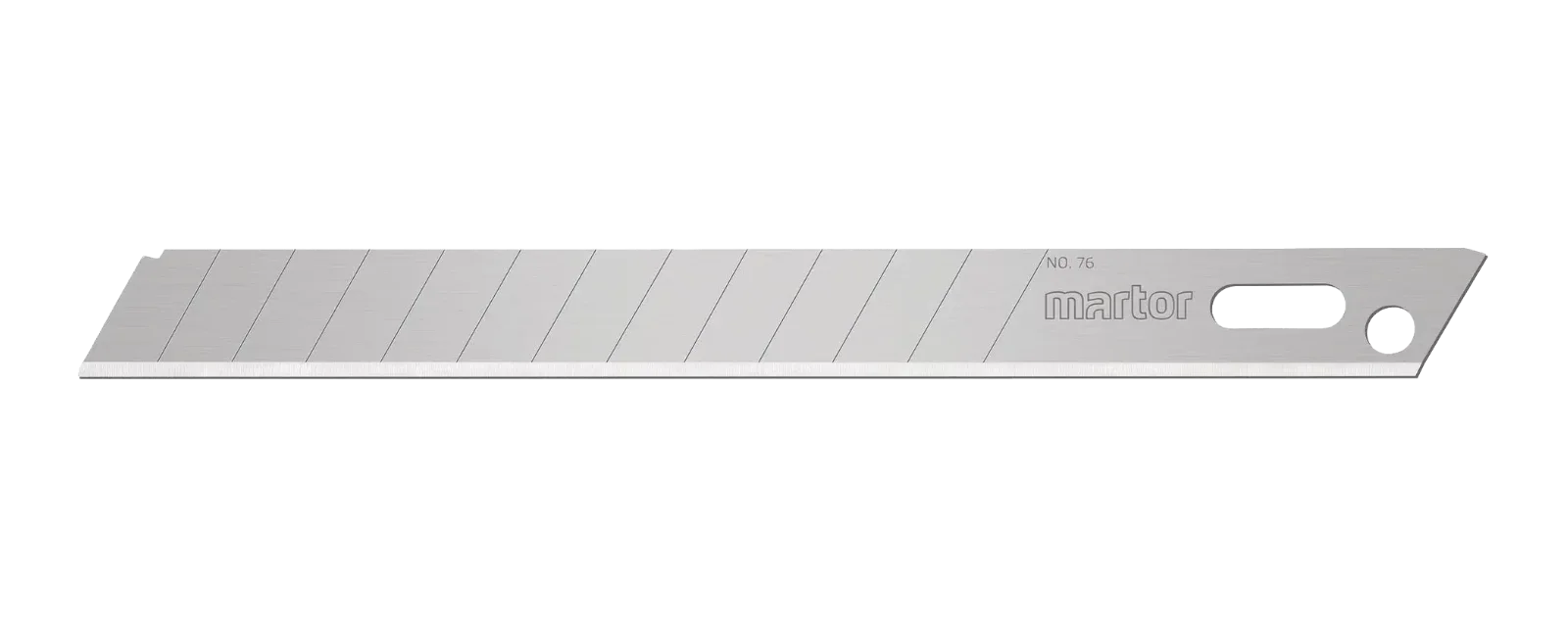 universalPremium carbon steelplain, double-bevel€3.00 excl. VATView KM76
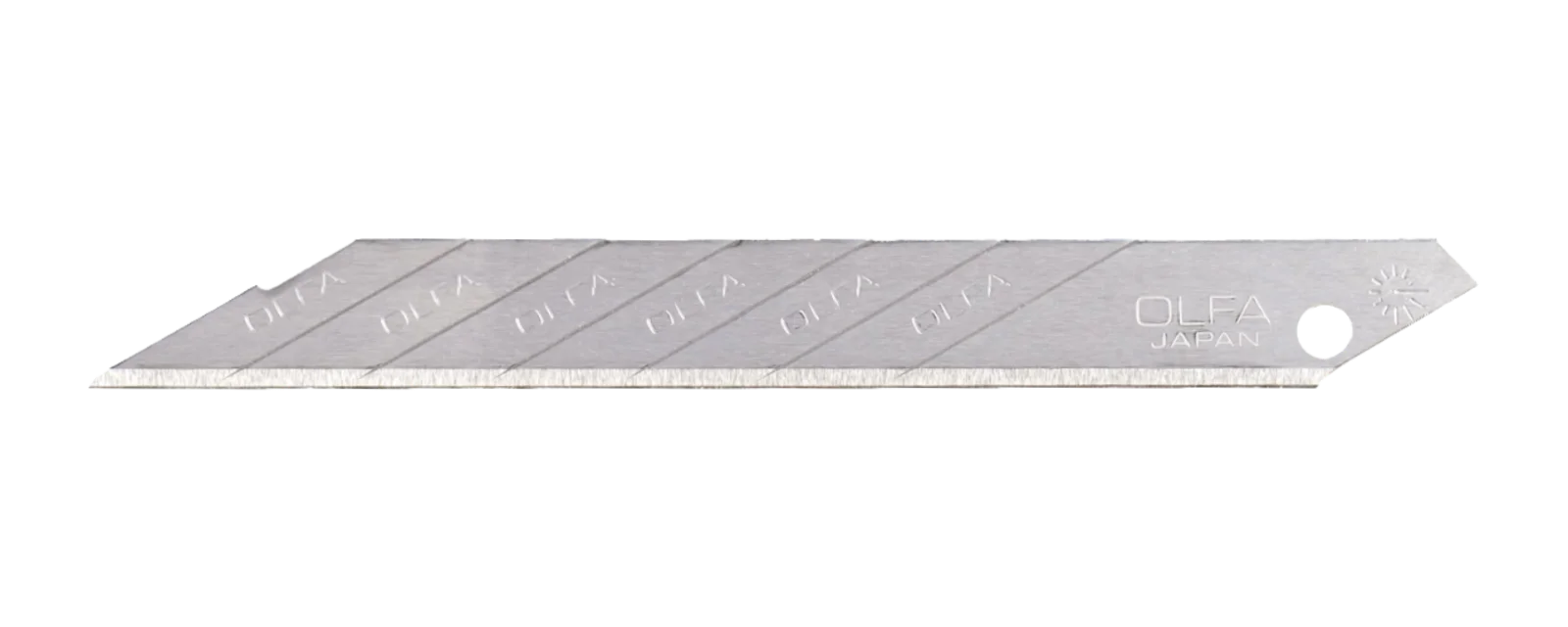 30° pointedCarbon steelplain, double-bevel€8.18 excl. VATView KSAB
 without snap-off segmentsPremium carbon steelplain, double-bevel€5.12 excl. VATView K043O
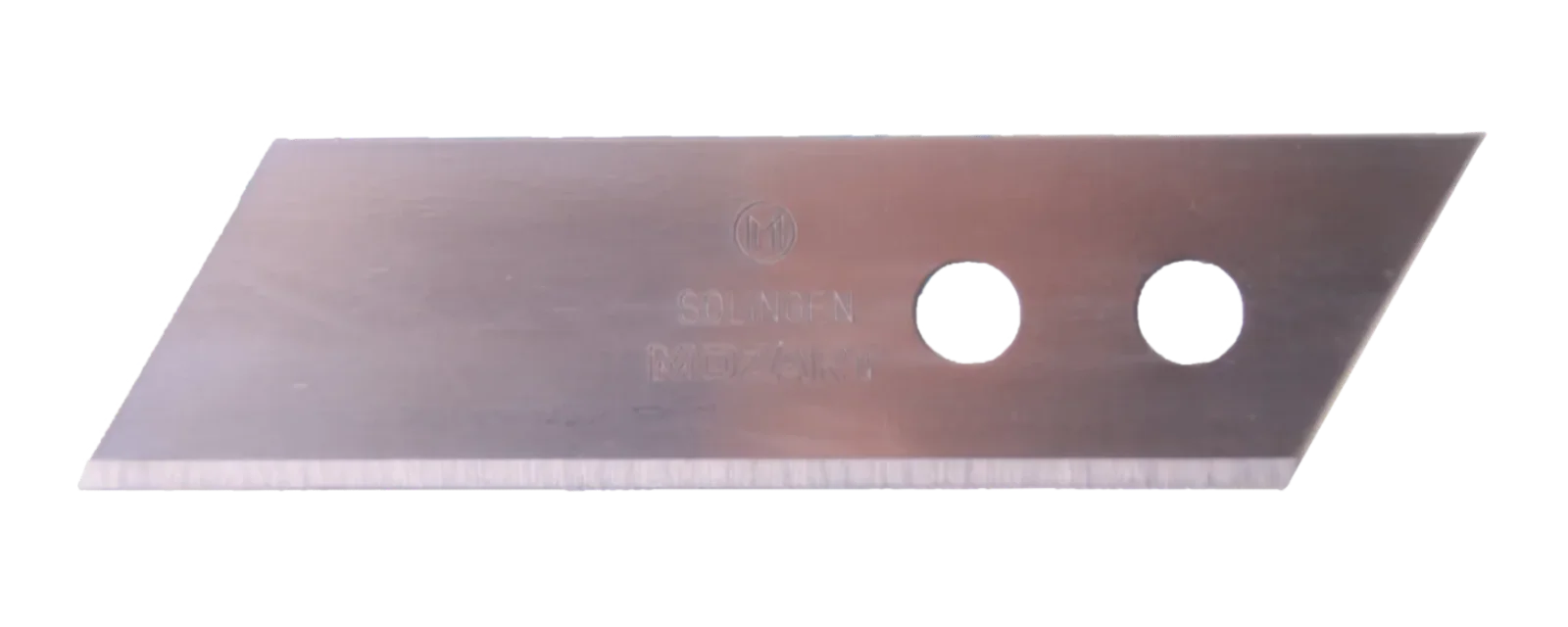 without snap-off segmentsPremium carbon steelSerrated grind€4.30 excl. VATView KB3-N
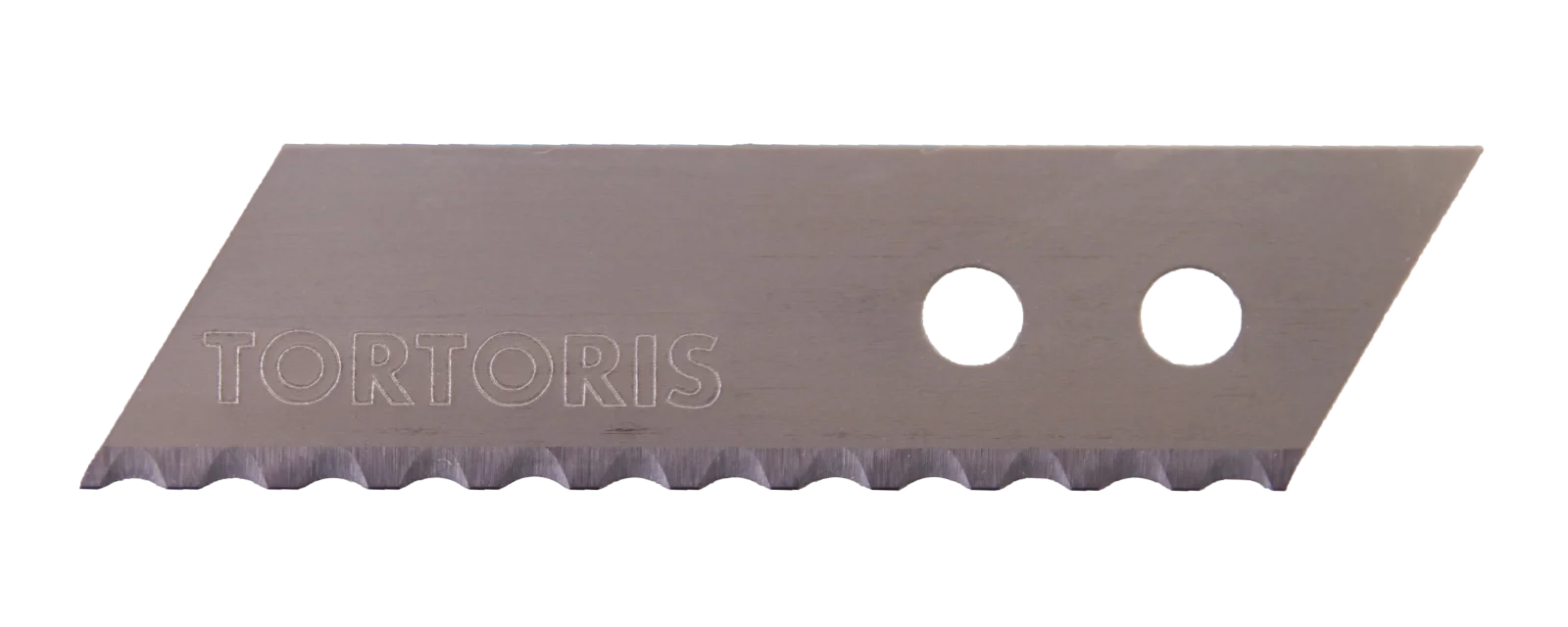 without snap-off segments, serrated grindCarbon steelSerrated grind€4.50 excl. VATView KB3-S
 without snap-off segmentsCarbon steelplain, double-bevel€5.51 excl. VATView KM79
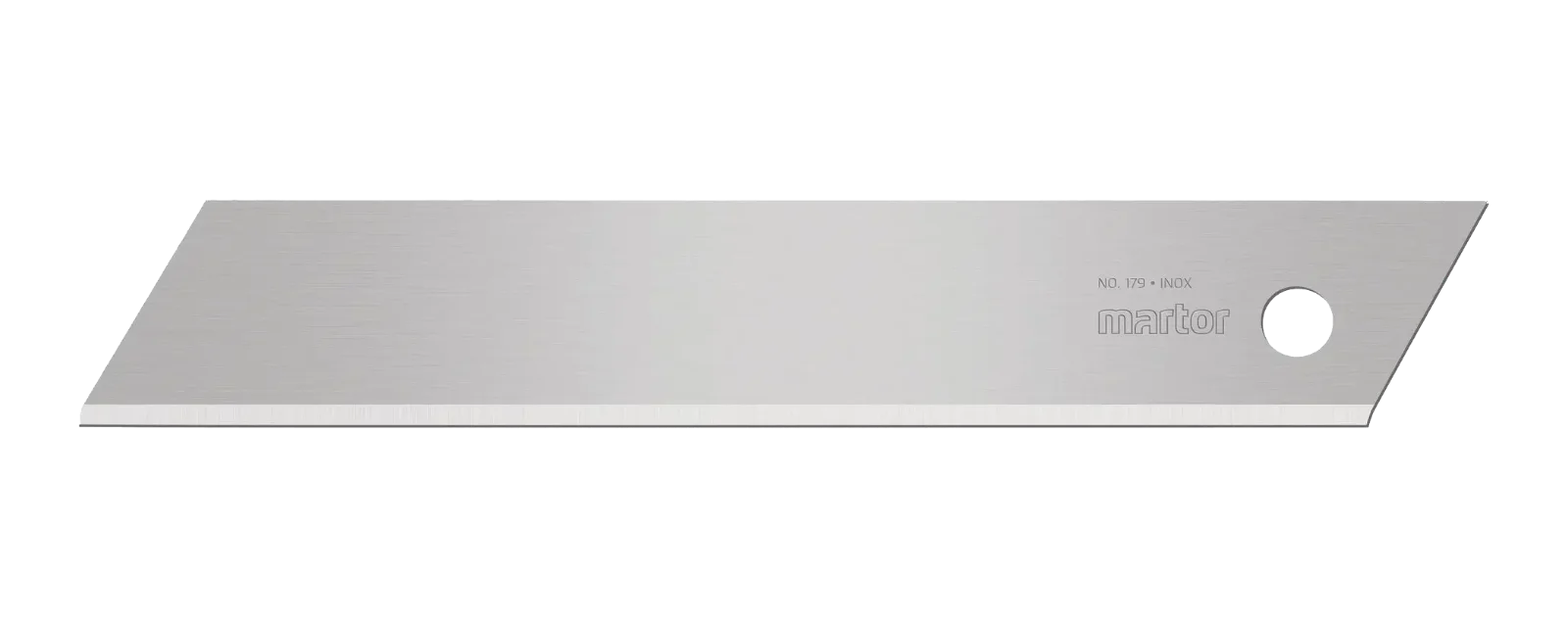 without snap-off segments, stainless steelStainless steelplain, double-bevel€9.87 excl. VATView KM179
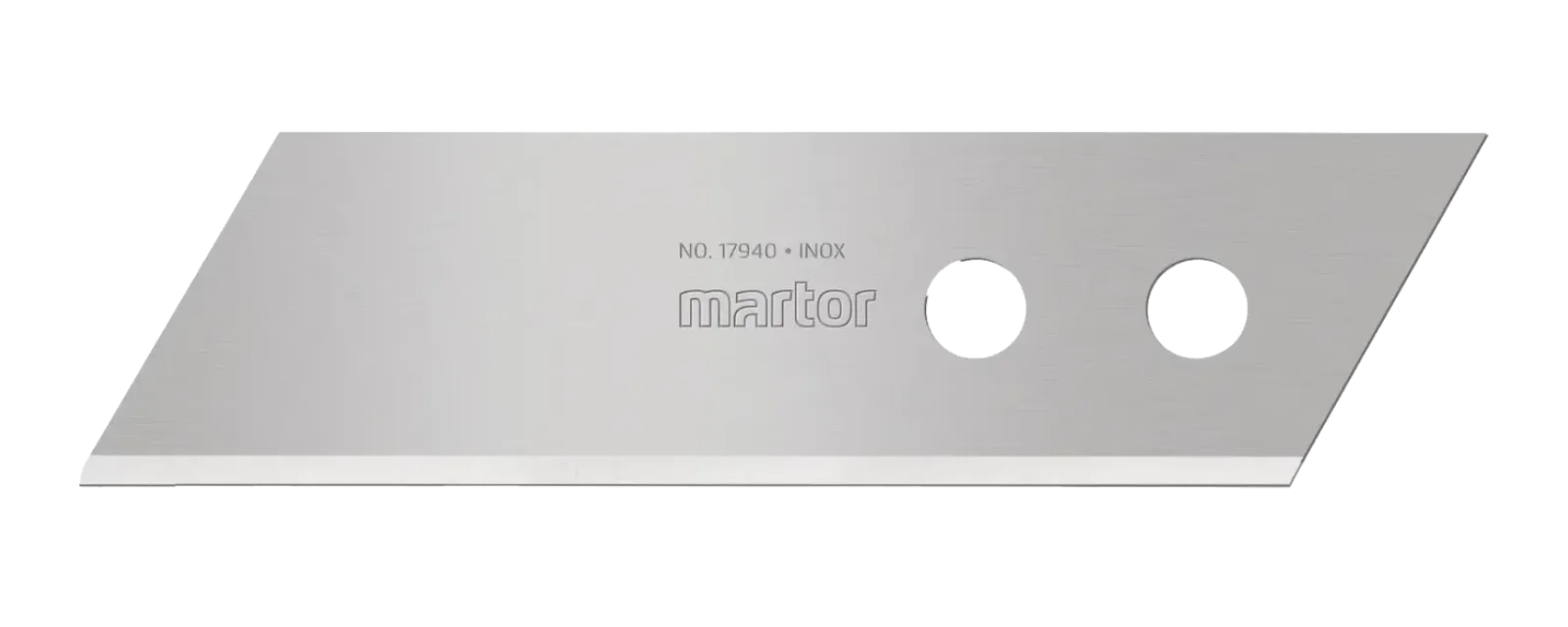 without snap-off segments, stainless steelStainless steelplain, double-bevel€8.70 excl. VATView KM17940
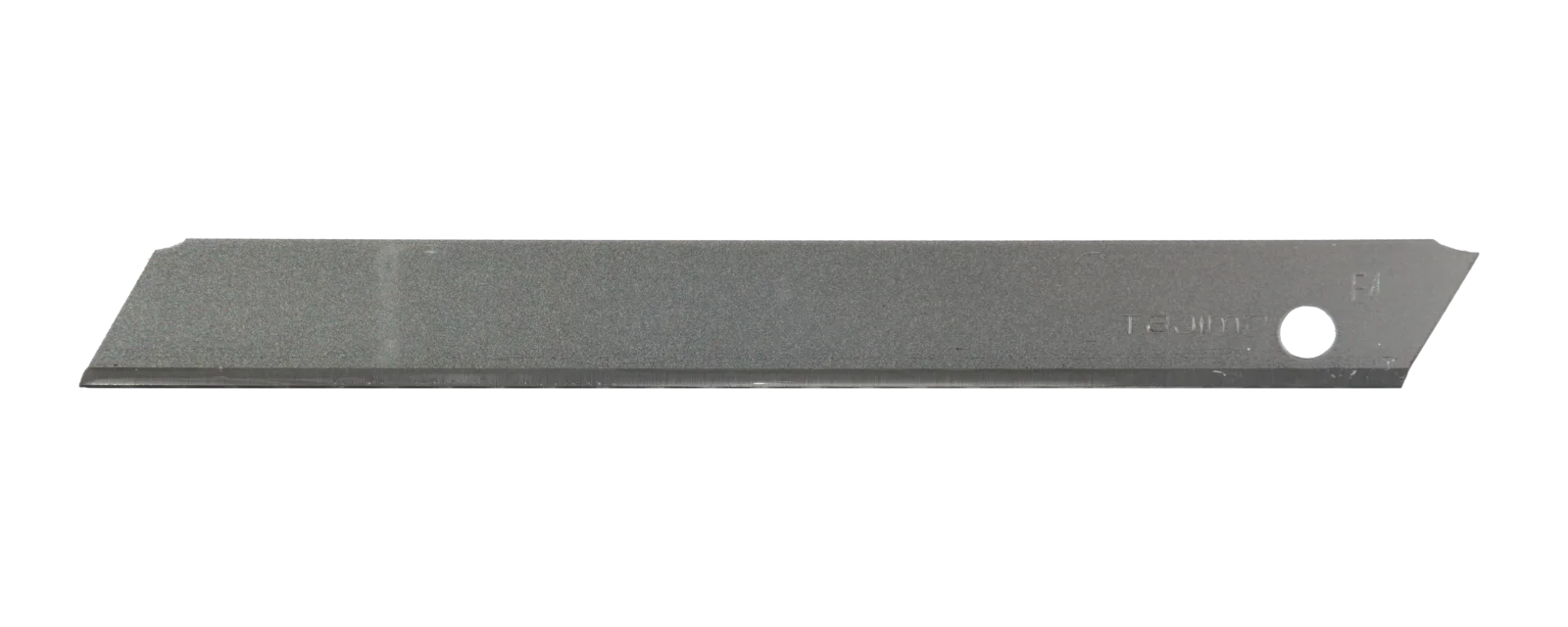 without snap-off segmentsPremium carbon steelplain, double-bevel€3.78 excl. VATView K064
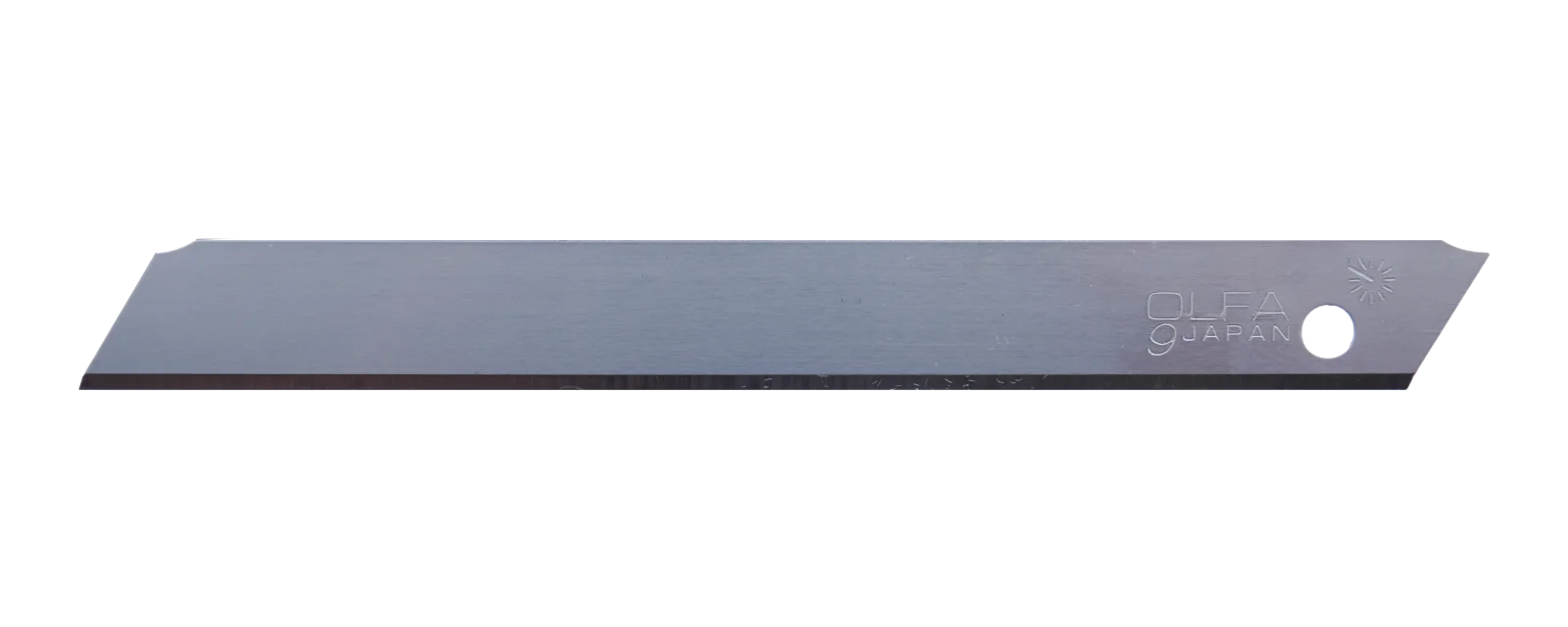 without snap-off segmentsPremium carbon steelplain, double-bevel€9.99 excl. VATView KAB-SOL
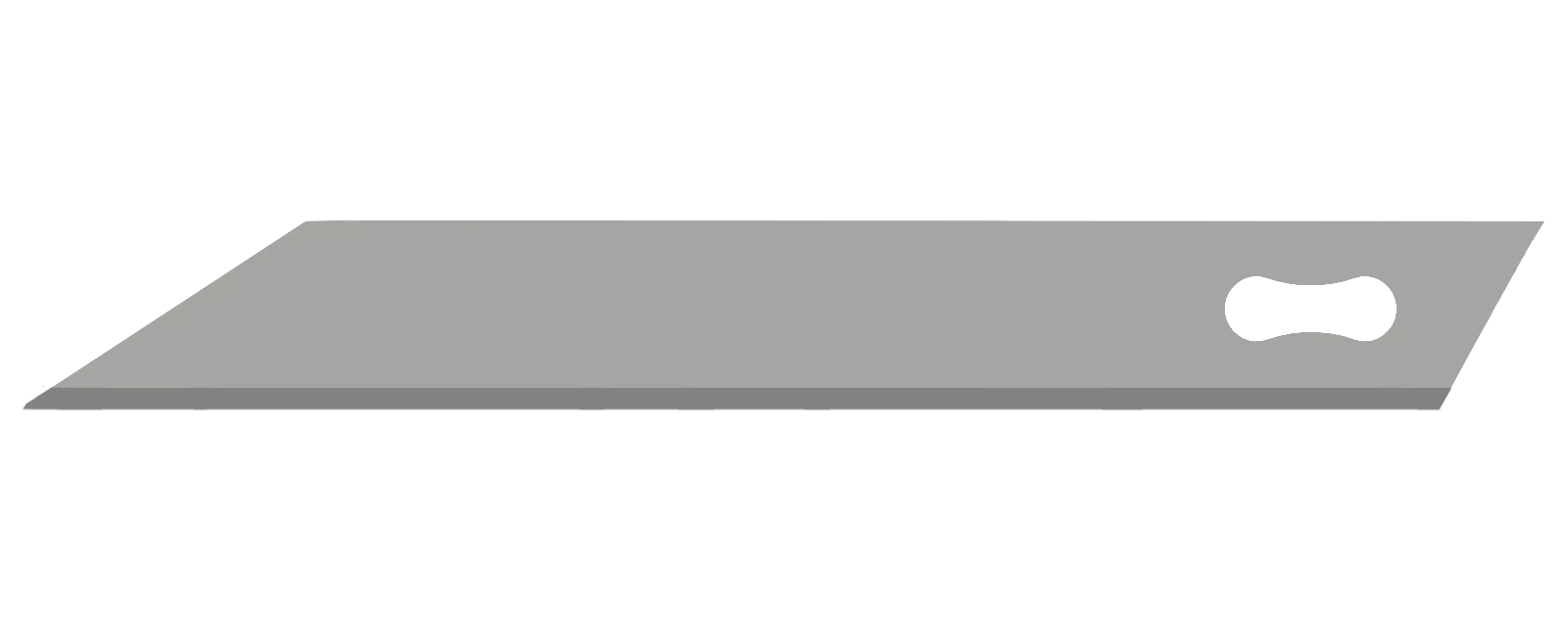 without snap-off segments, 30°Premium carbon steelplain, double-bevel€4.96 excl. VATView KB3-N9
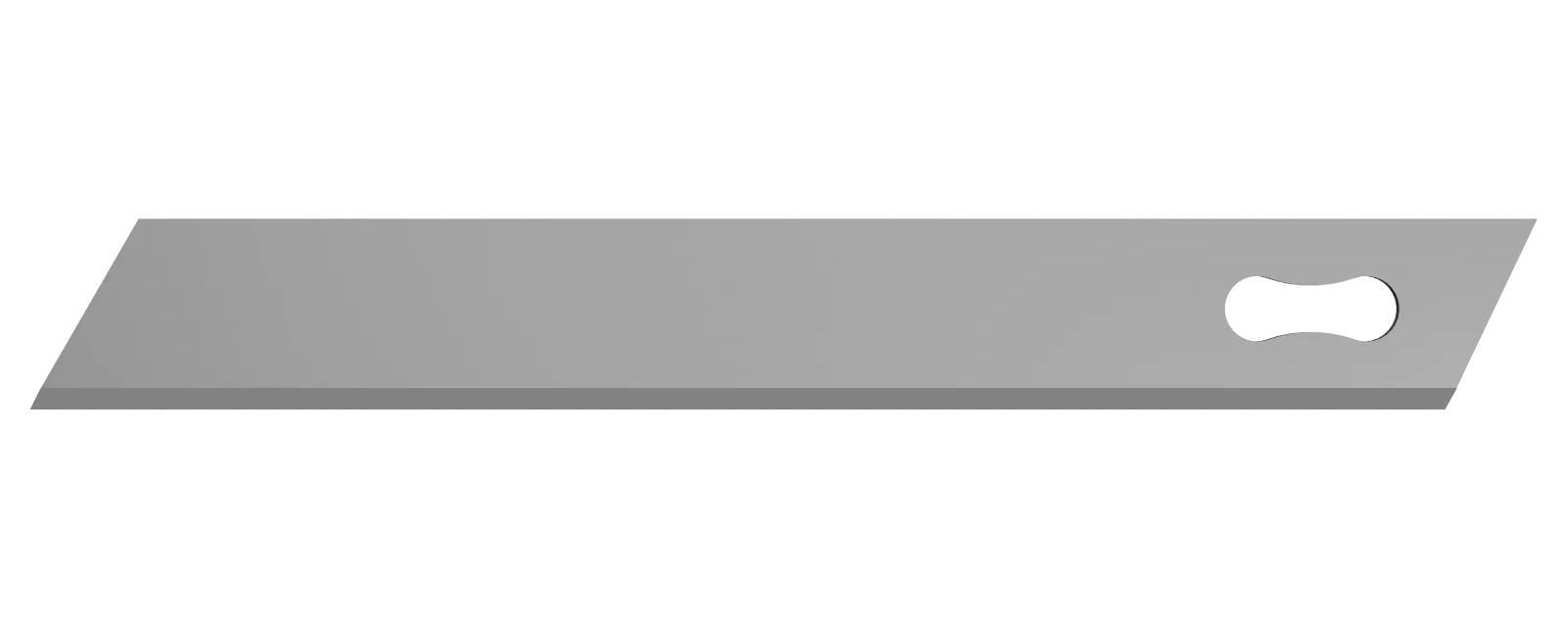 without snap-off segments, 60°Premium carbon steelplain, double-bevel€4.96 excl. VATView KB3-N9-6
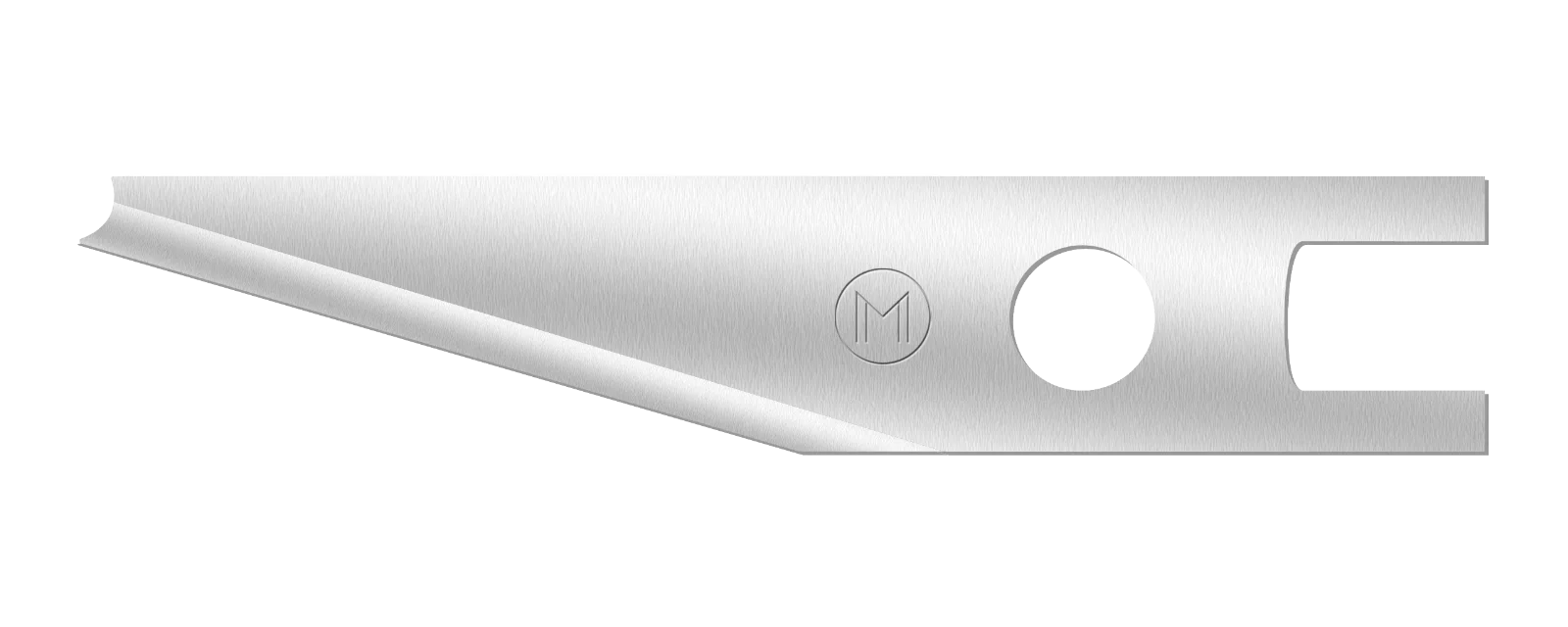 universalPremium carbon steelplain, double-bevelfrom €6.65 excl. VATView K091
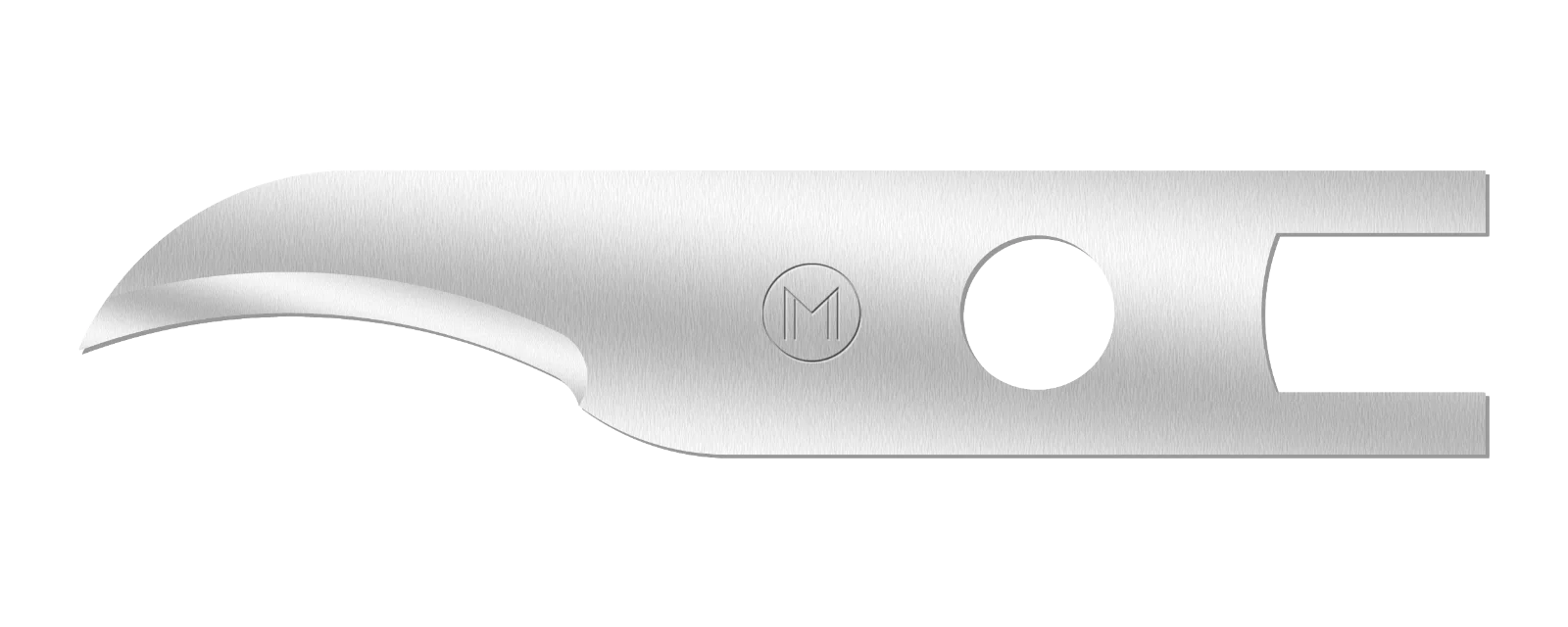 Hook shape F18€30.62 excl. VATView K096
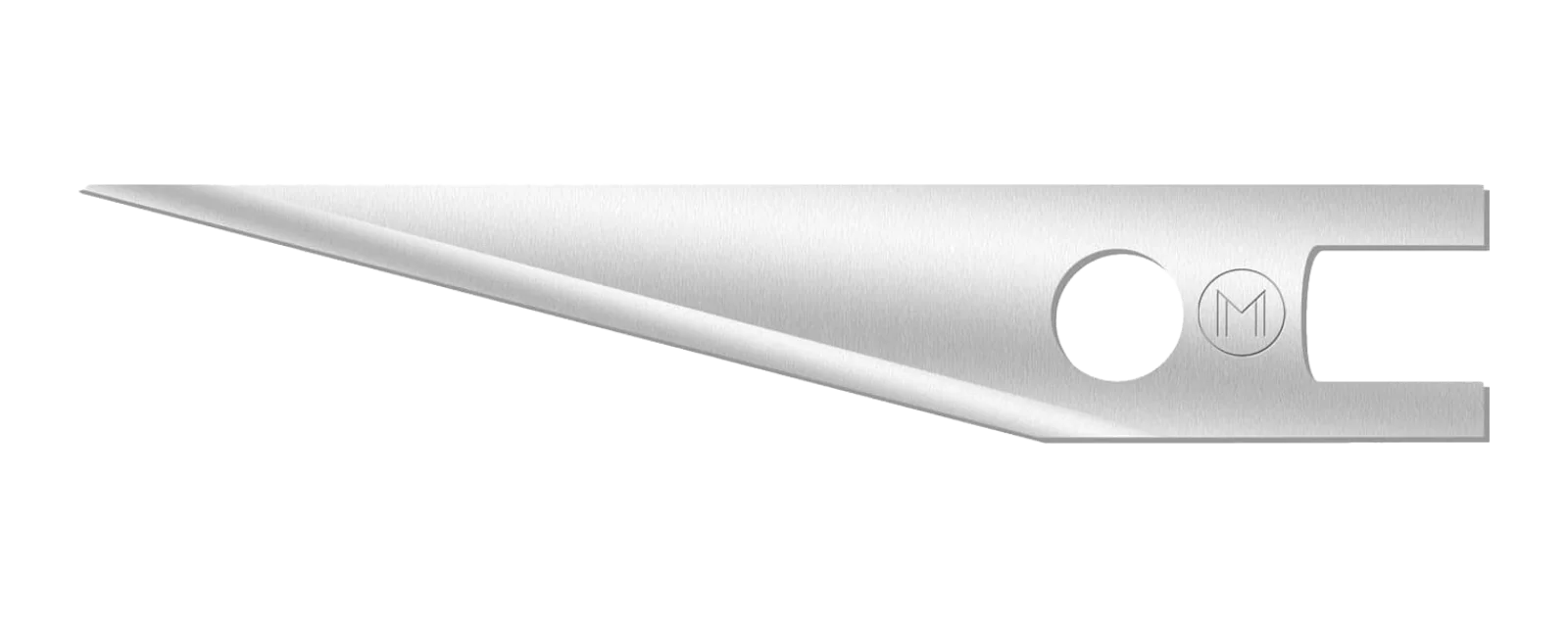 pointed, shape F3from €5.50 excl. VATView K097
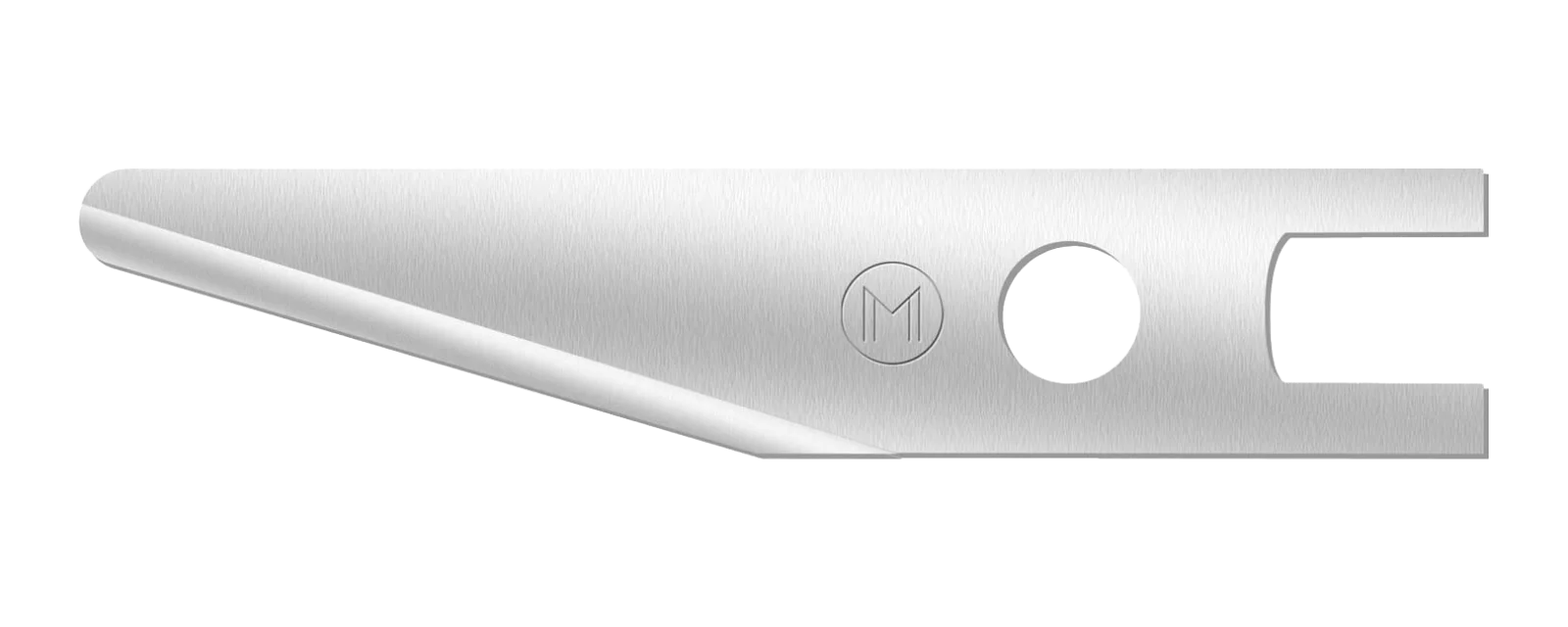 rounded, shape F4€24.37 excl. VATView K098
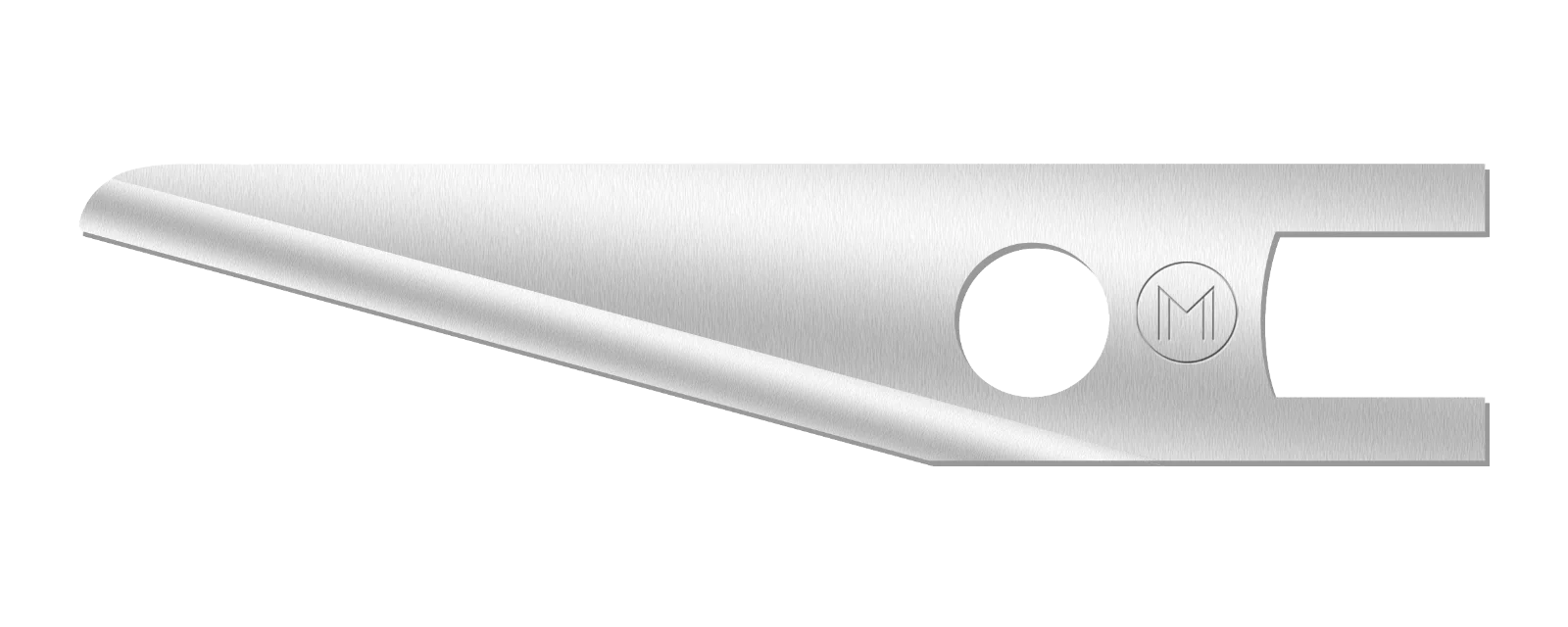 short, shape PB1€24.37 excl. VATView K099
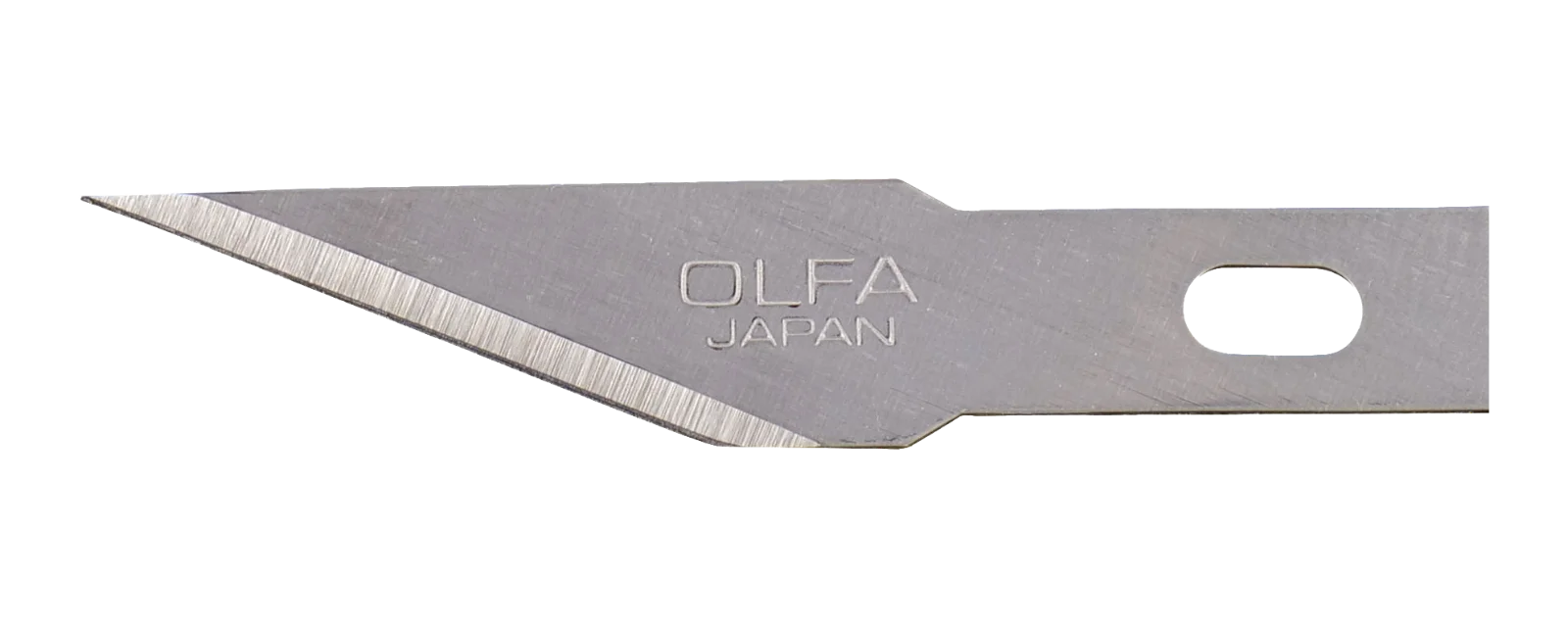 Shape KB4-SPremium carbon steelplain, double-bevel€3.62 excl. VATView K092
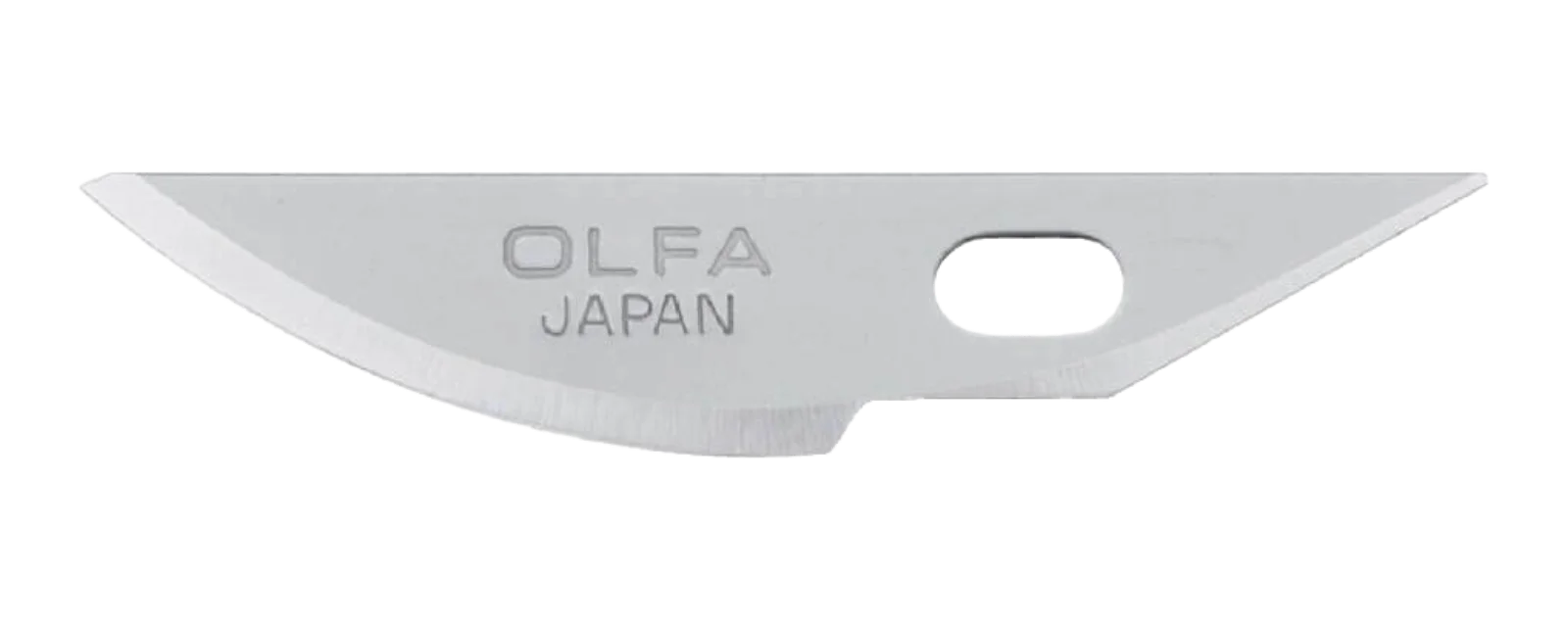 Convex KB4-RPremium carbon steelplain, double-bevel€4.09 excl. VATView K094
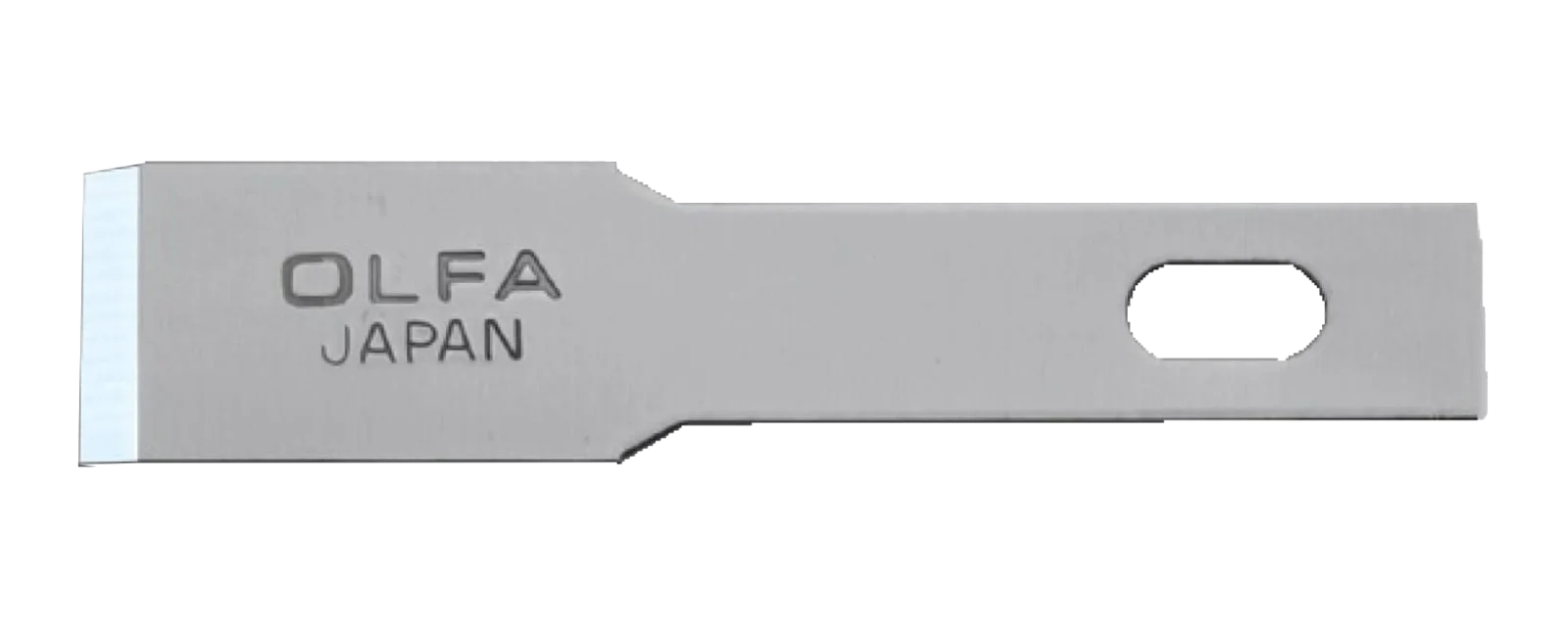 Chisel shape KB4-FPremium carbon steelplain, double-bevel€3.74 excl. VATView K095
 XC StandardCarbon steelplain, double-bevel€8.18 excl. VAT
 View K001
 XC wideCarbon steelplain, double-bevel€8.45 excl. VATView K002
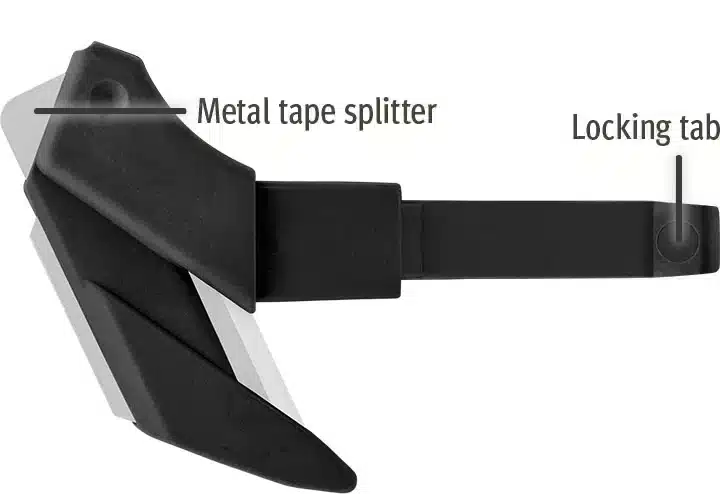 XC wide slitterCarbon steelplain, double-bevel€12.60 excl. VATView K002-35
 XC wide, XDCarbon steelplain, double-bevel€12.60 excl. VATView K002XD
 Hook for Klever XCCarbon steelplain, double-bevel€14.34 excl. VATView K003
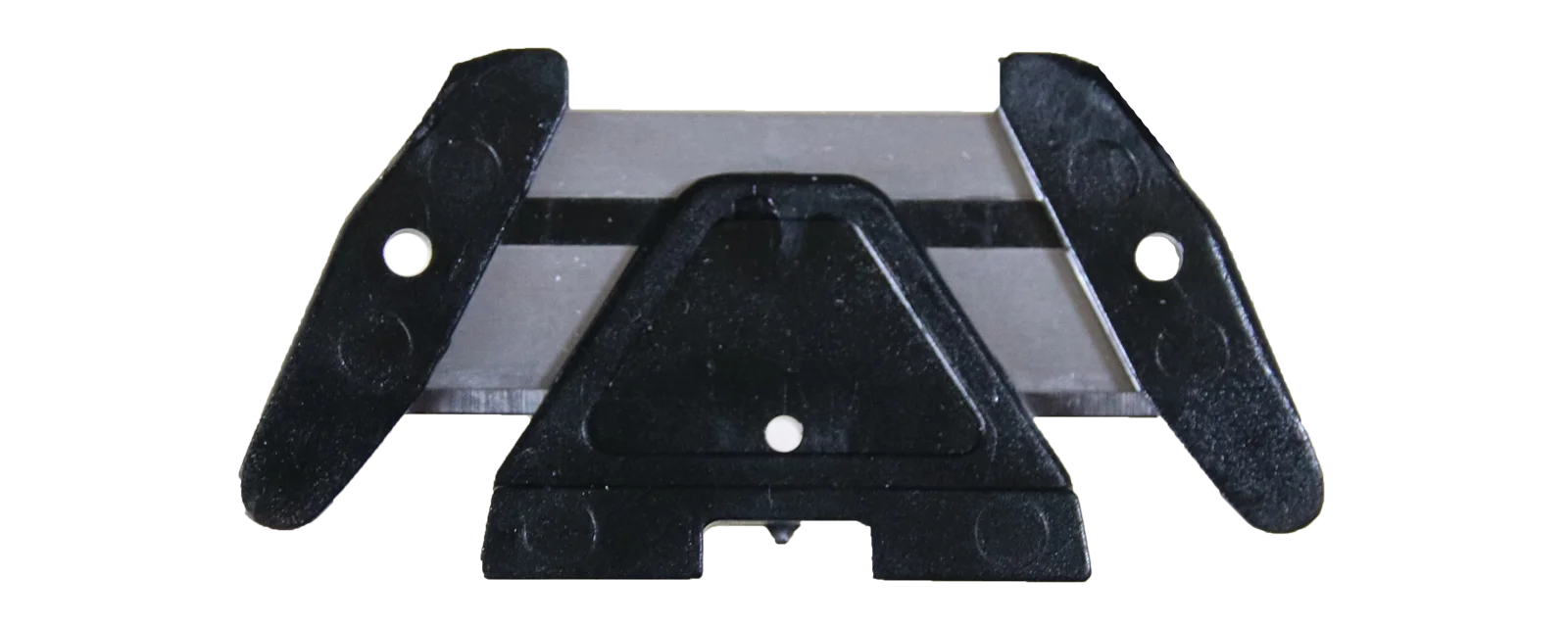 concealed blade for US40Carbon steelplain, double-bevel€3.06 excl. VATView K005
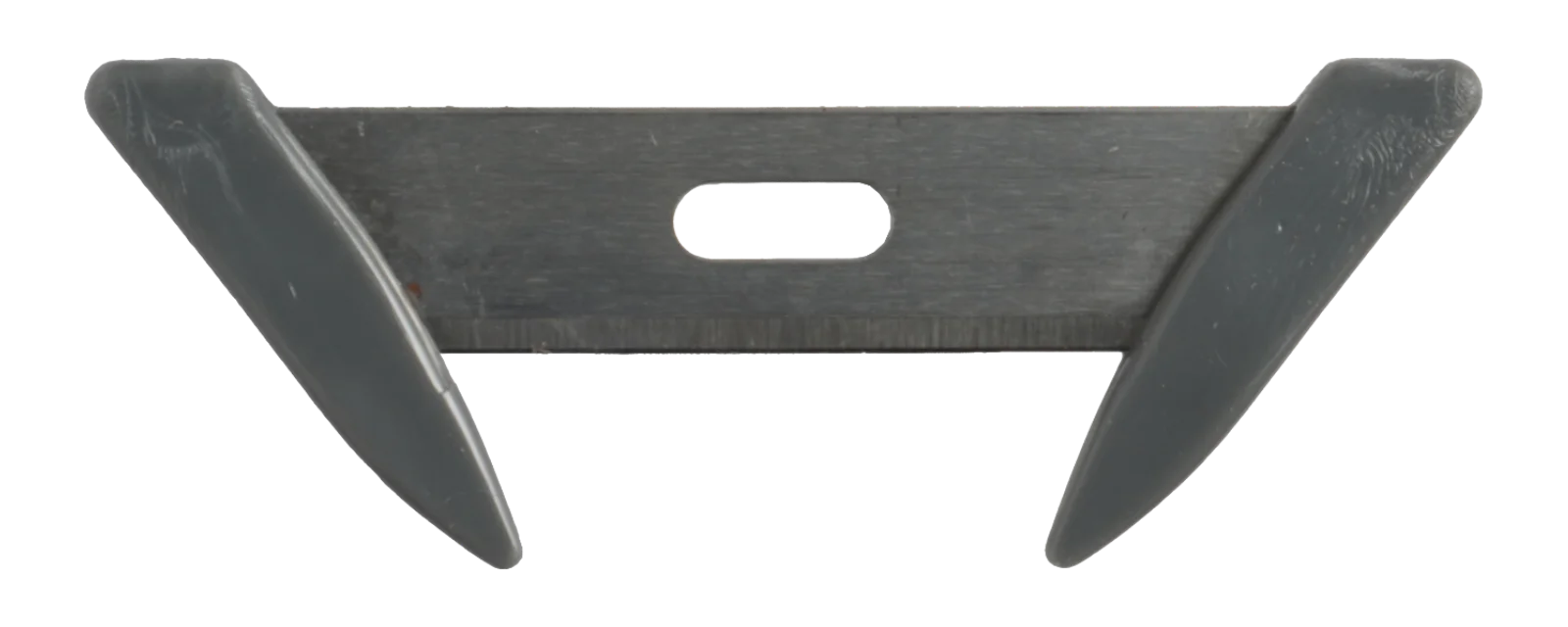 concealed blade for CB100Premium carbon steelplain, double-bevel€9.99 excl. VAT
 View K006
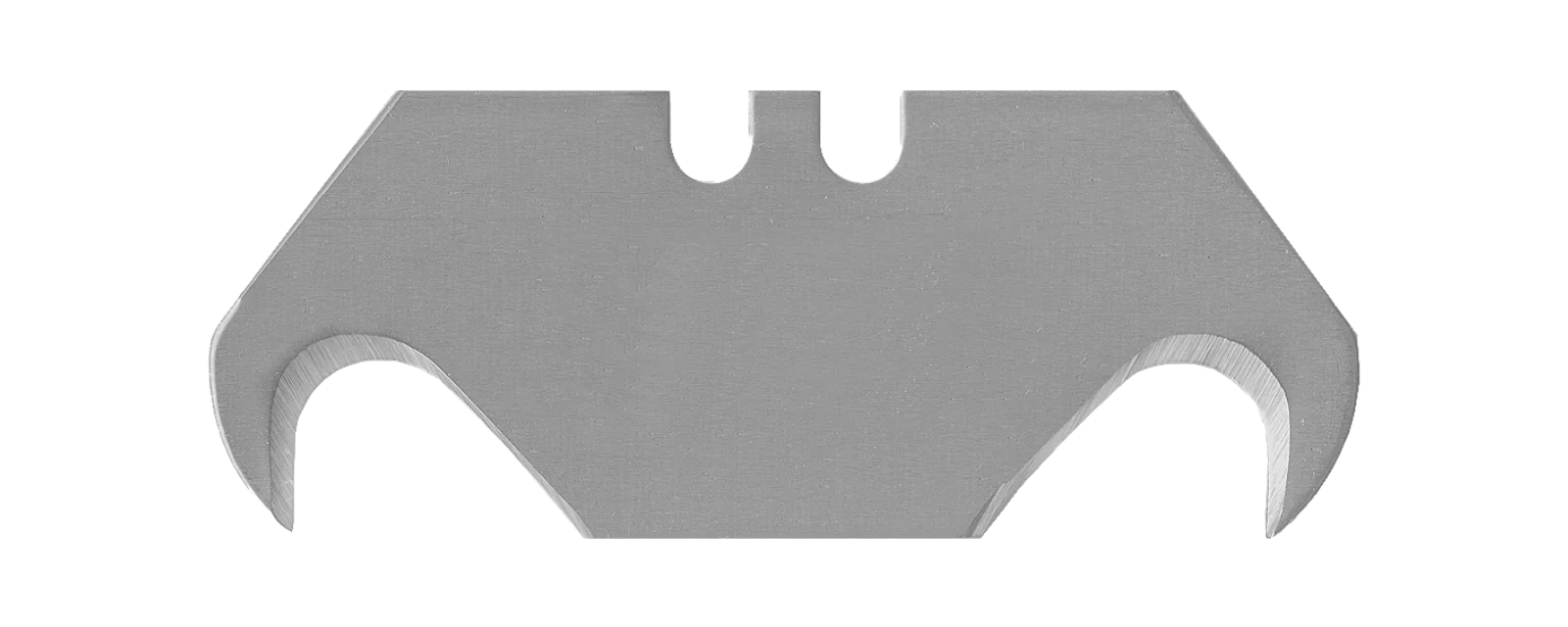 Hook bladeCarbon steelplain, single-bevel€5.07 excl. VATView K017
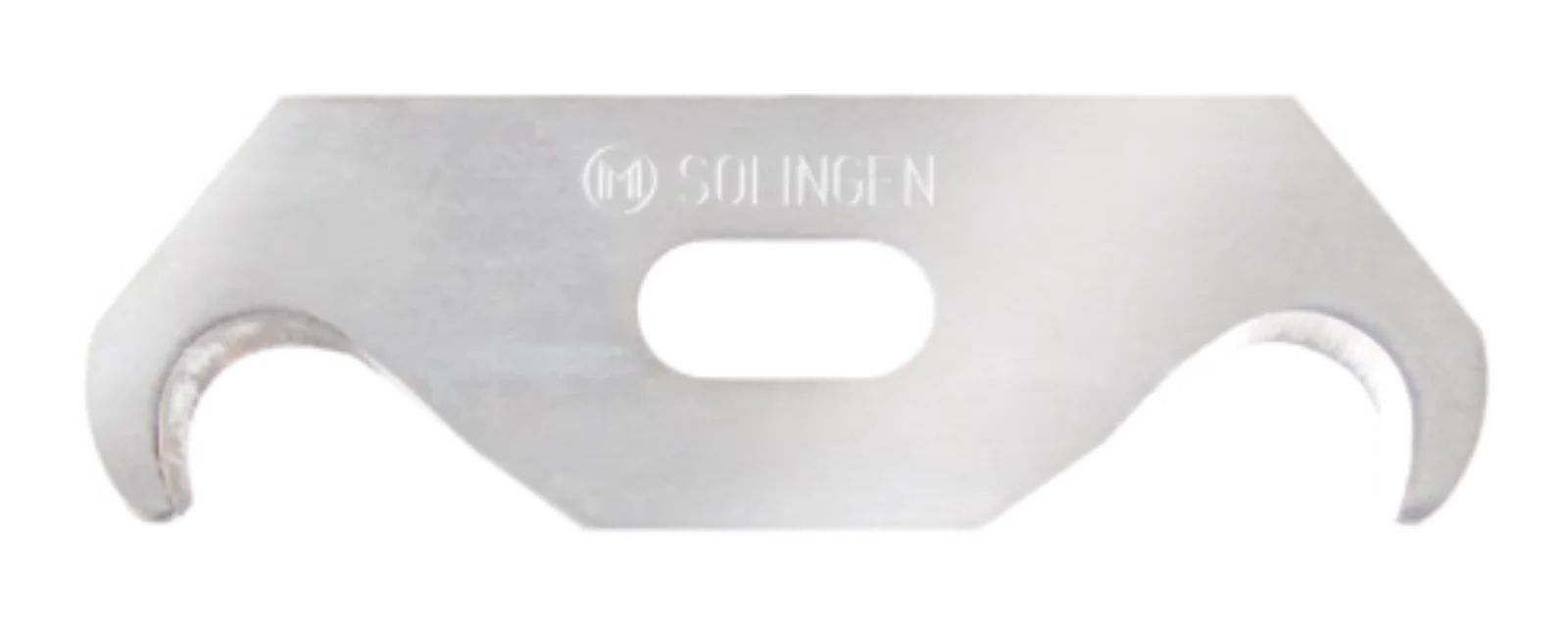 for UAS100Carbon steelplain, single-bevel€9.22 excl. VATView K020H
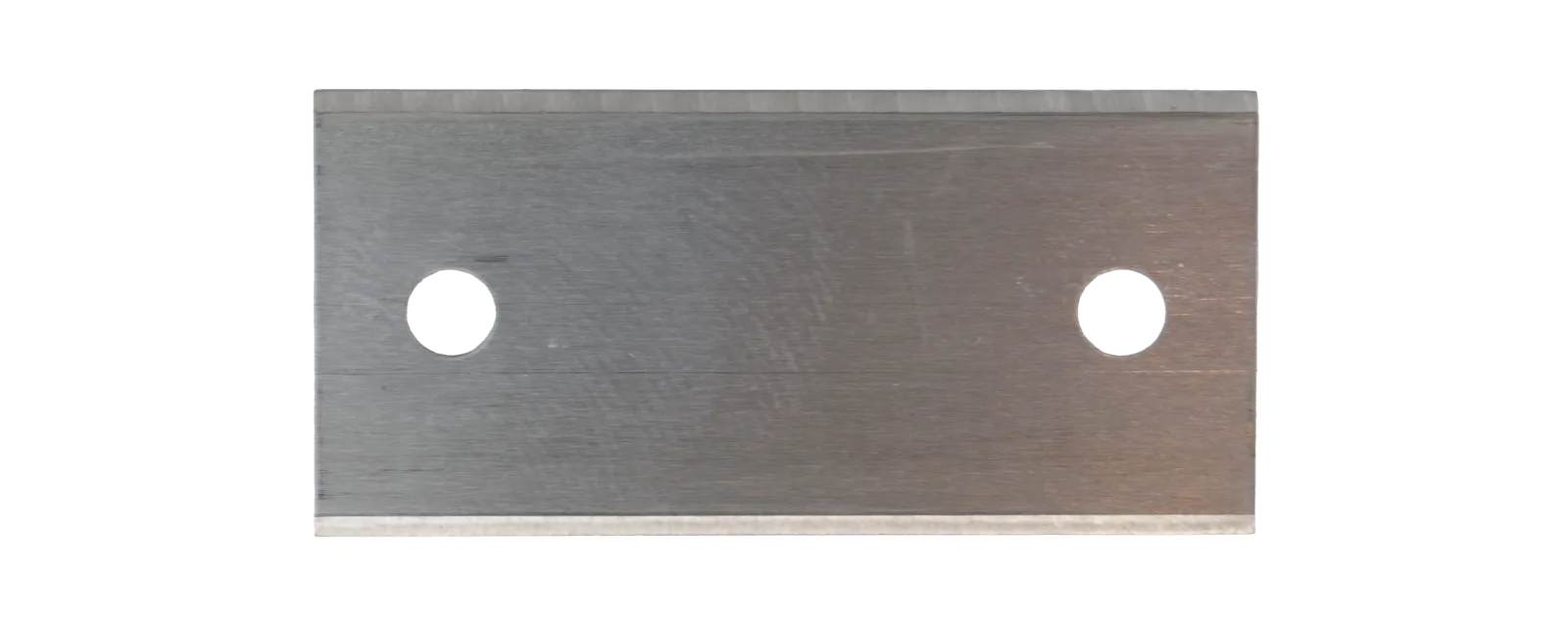 for scraper SL100Premium carbon steelplain, double-bevel€5.63 excl. VATView K021
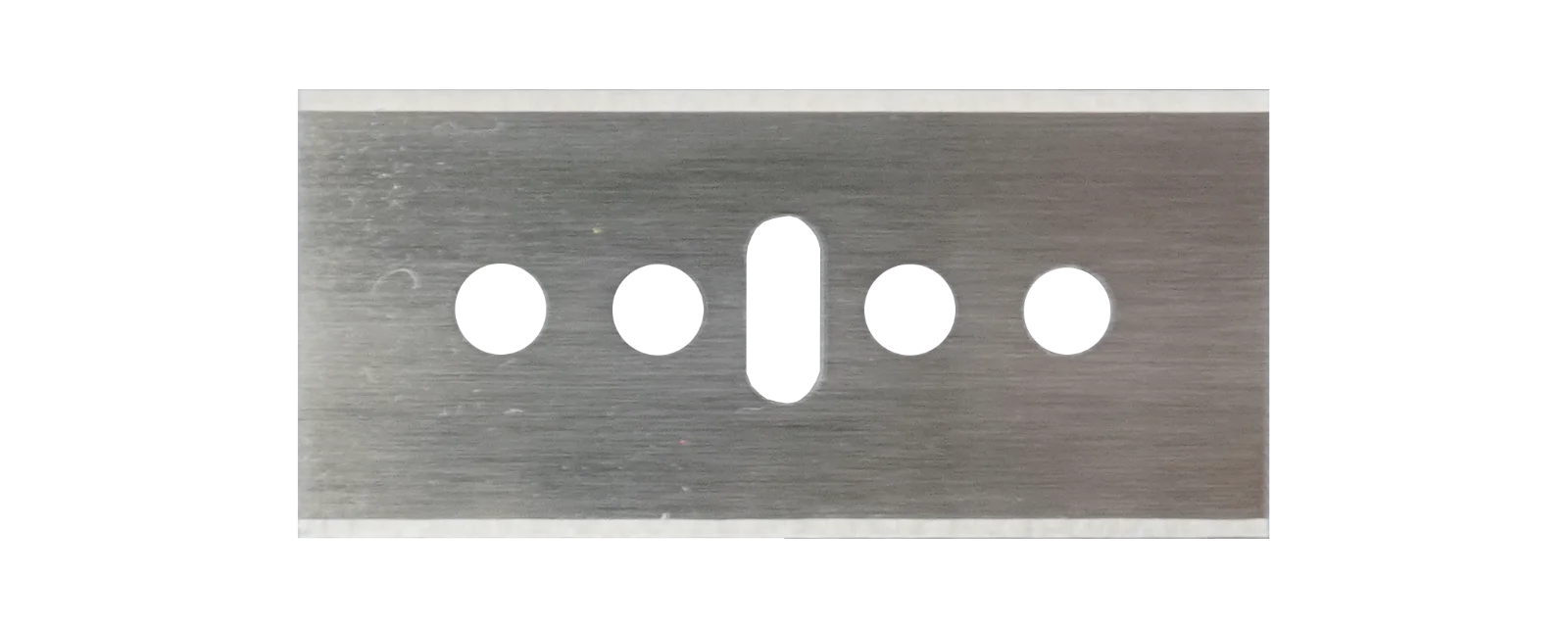 universalCarbon steelplain, double-bevel€2.99 excl. VATKnifelineView K081
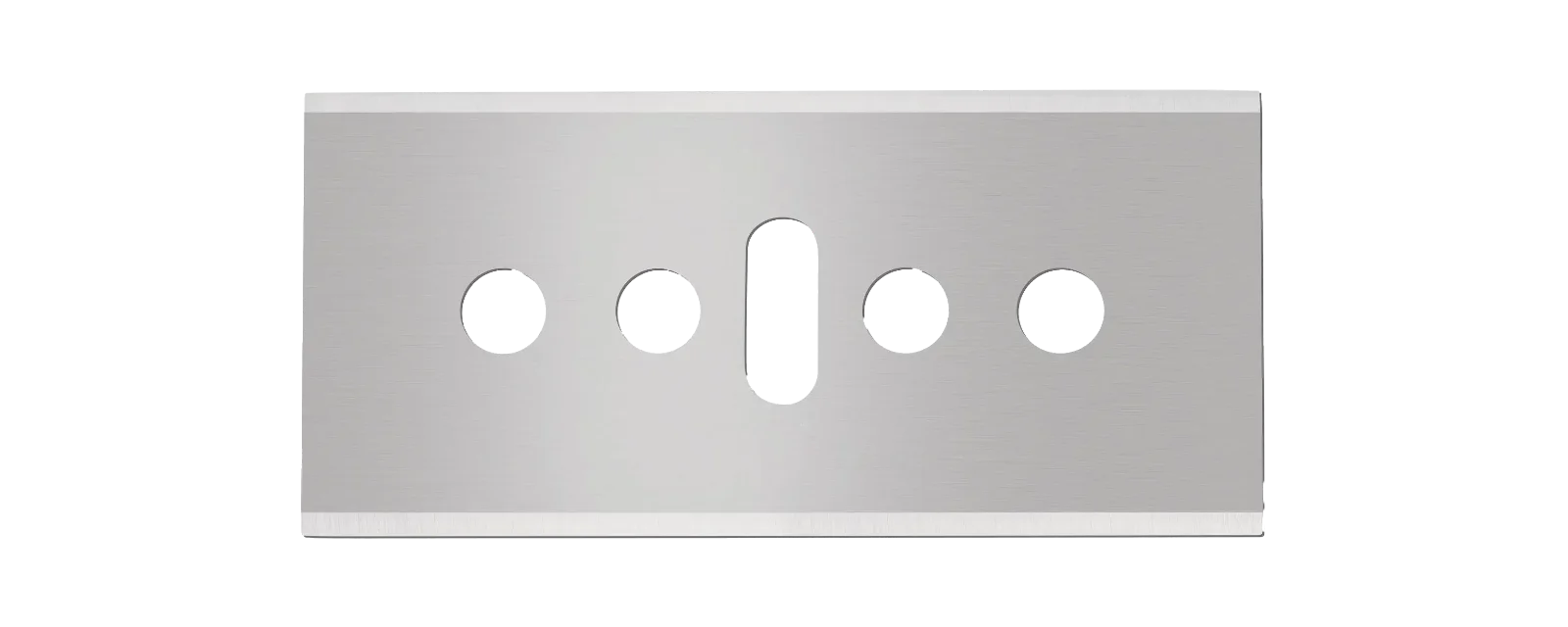 Stainless steel€3.58 excl. VATJuskyView K081-E
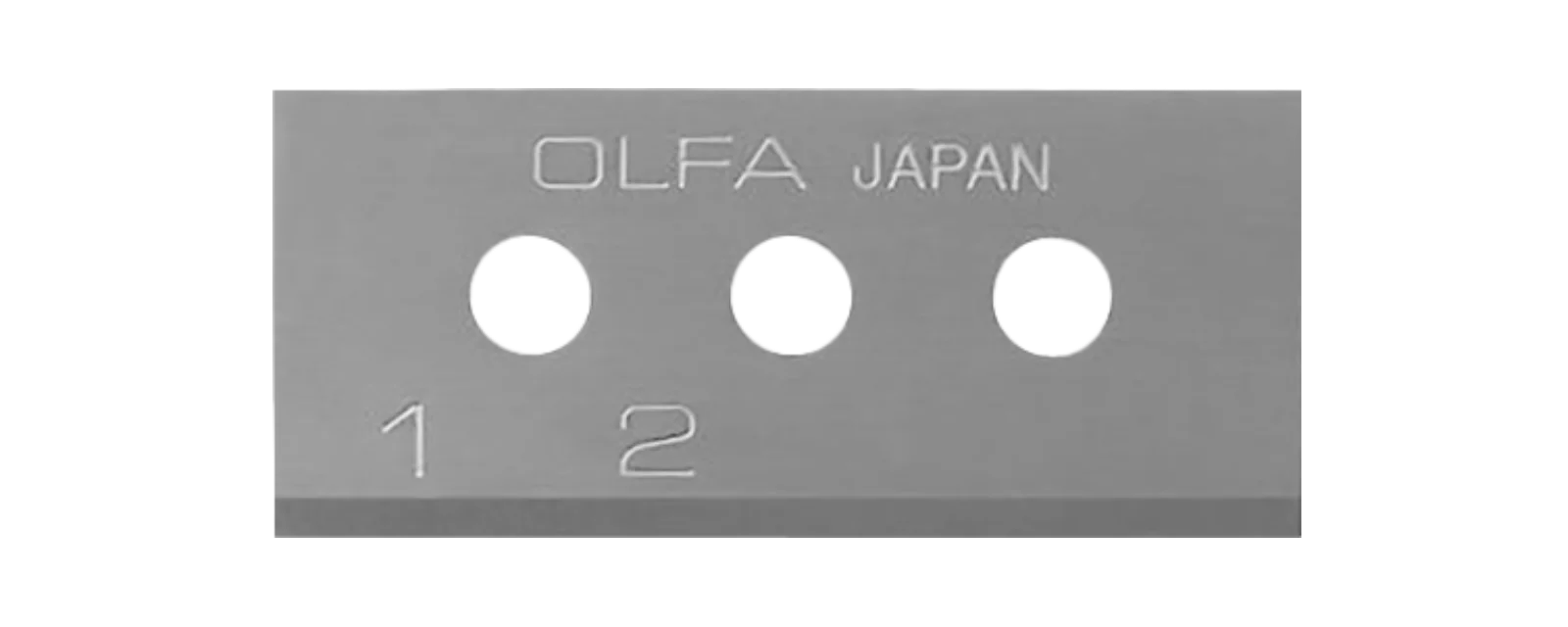 for OLFA SK-10Premium carbon steelplain, double-bevel€6.91 excl. VATView K082
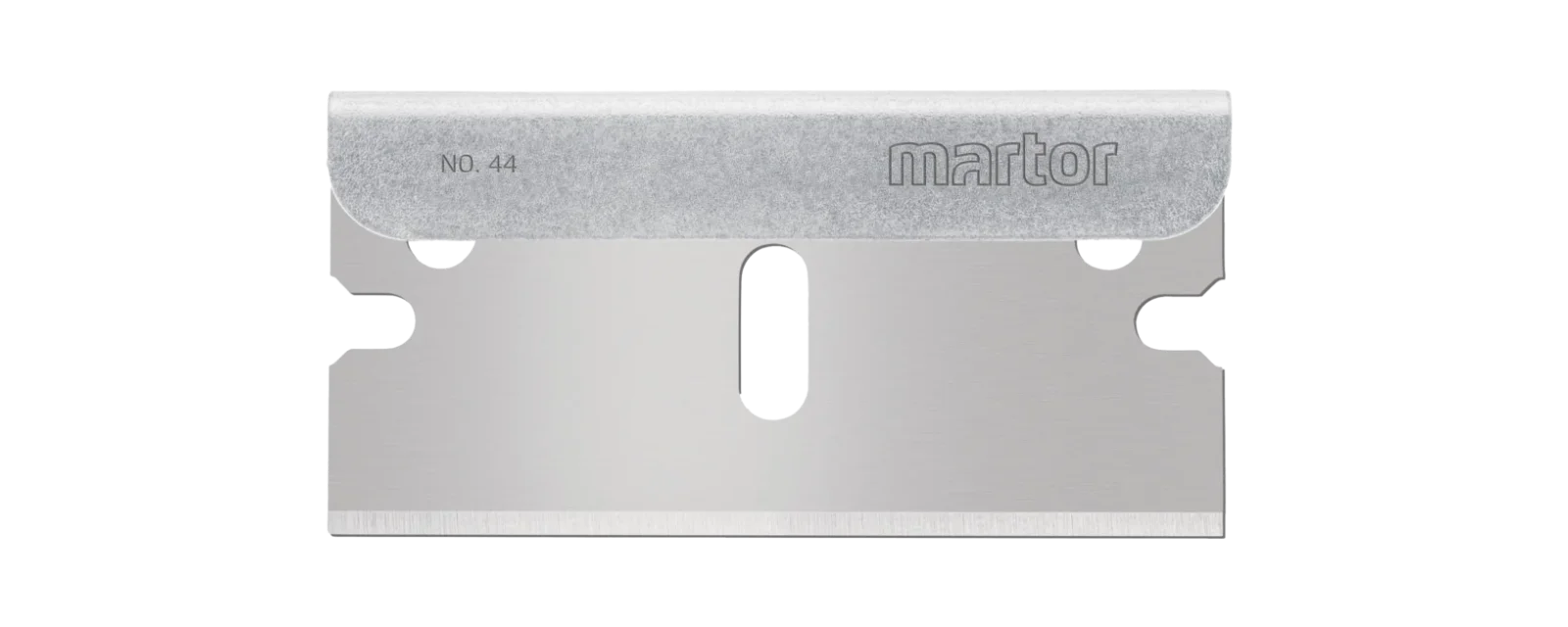 universalPremium carbon steelplain, double-bevel€4.40 excl. VATView KM44
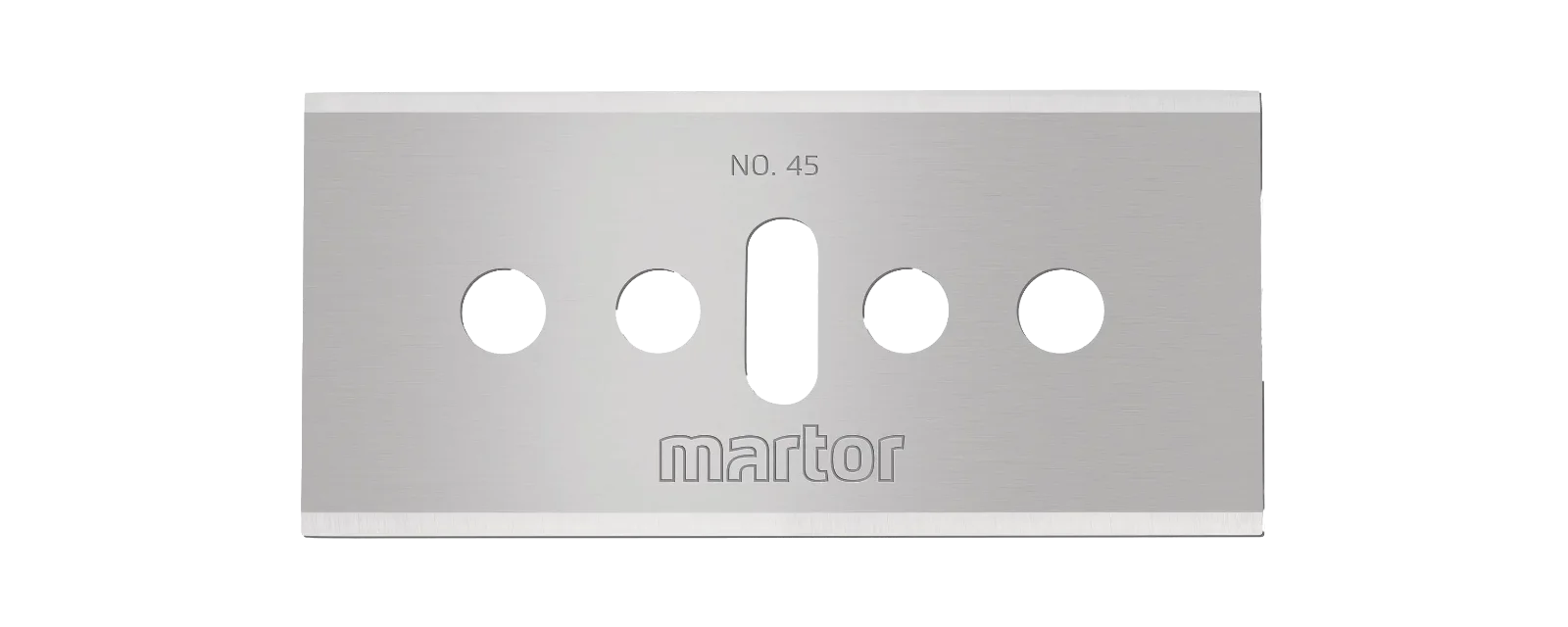 universal€3.79 excl. VATView KM45
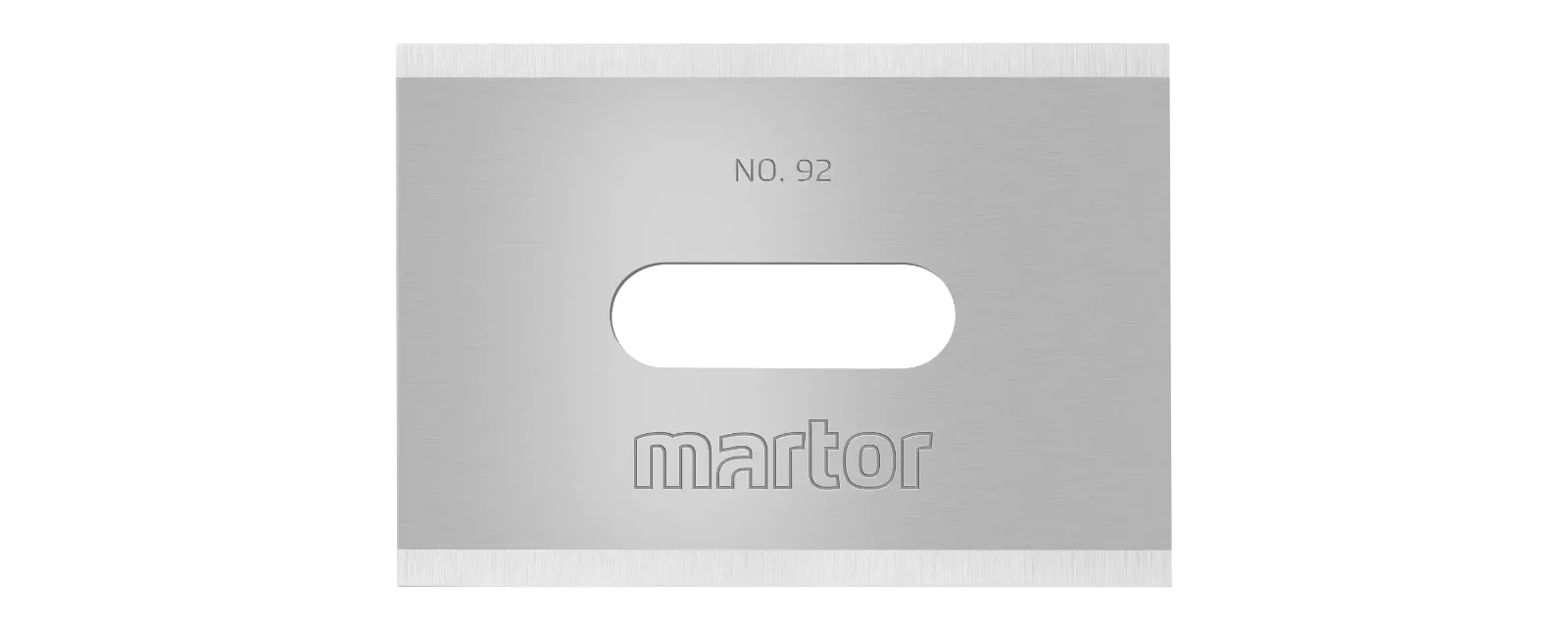 universalPremium carbon steelplain, double-bevel€4.04 excl. VATView KM92
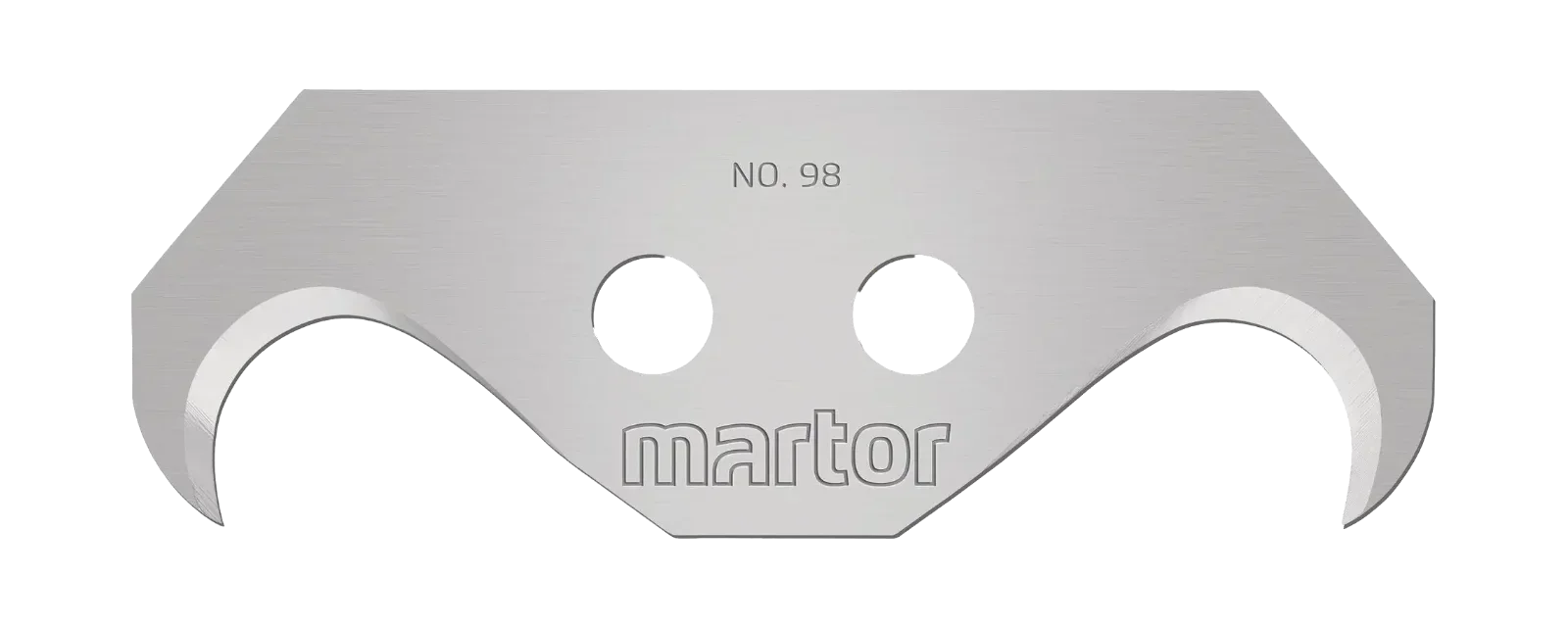 for Martor 99 hole patternCarbon steelplain, single-bevel€11.06 excl. VATView KM98
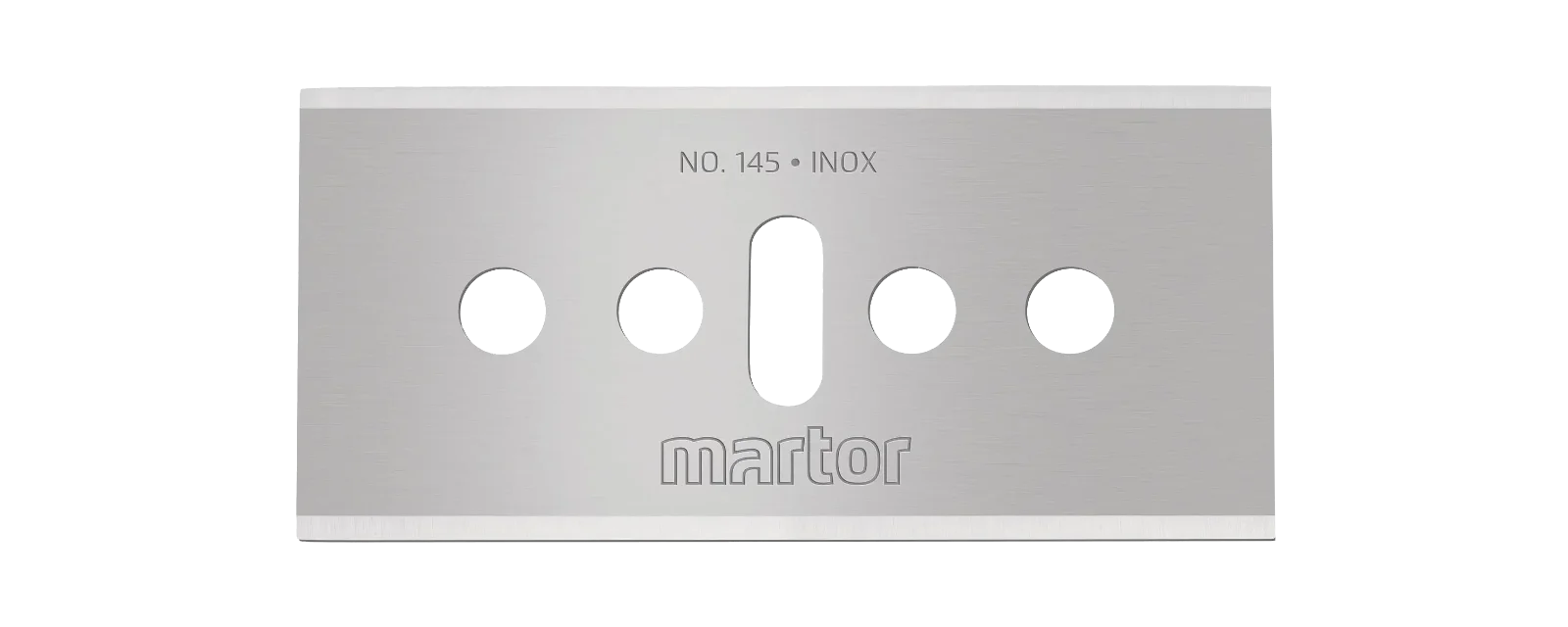 Rectangular blade KM145 – stainlessStainless steelplain, double-bevel€3.58 excl. VATView KM145
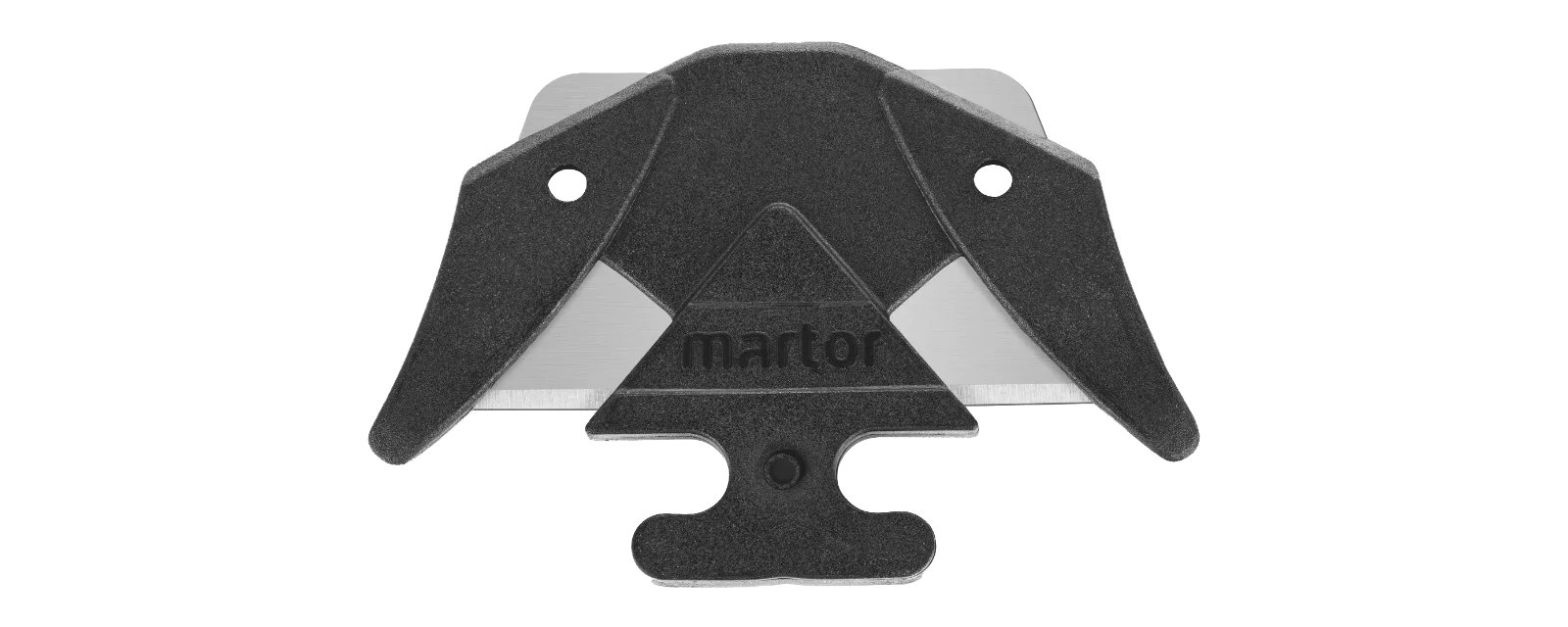 concealed blade for Secumax 350Premium carbon steelplain, double-bevel€8.18 excl. VATView KM3550
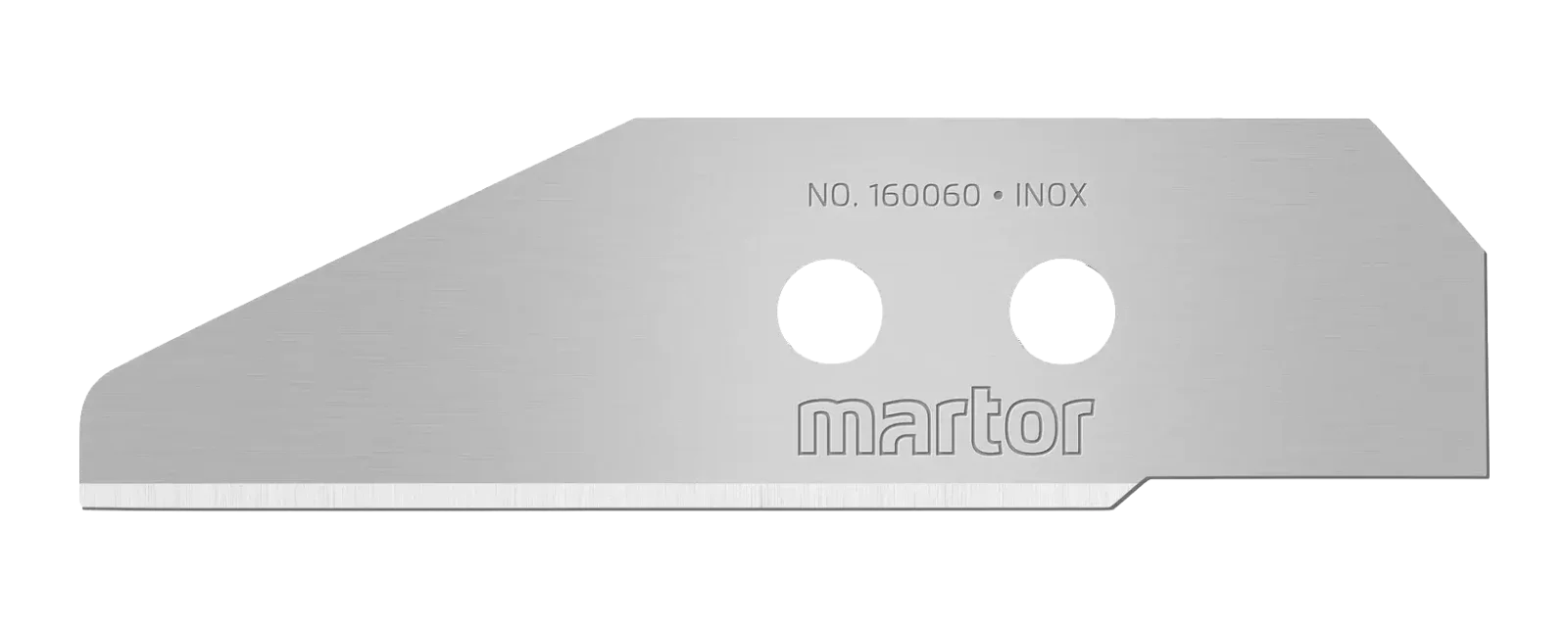 extra long, stainlessStainless steelplain, double-bevel€10.40 excl. VATView KM160060
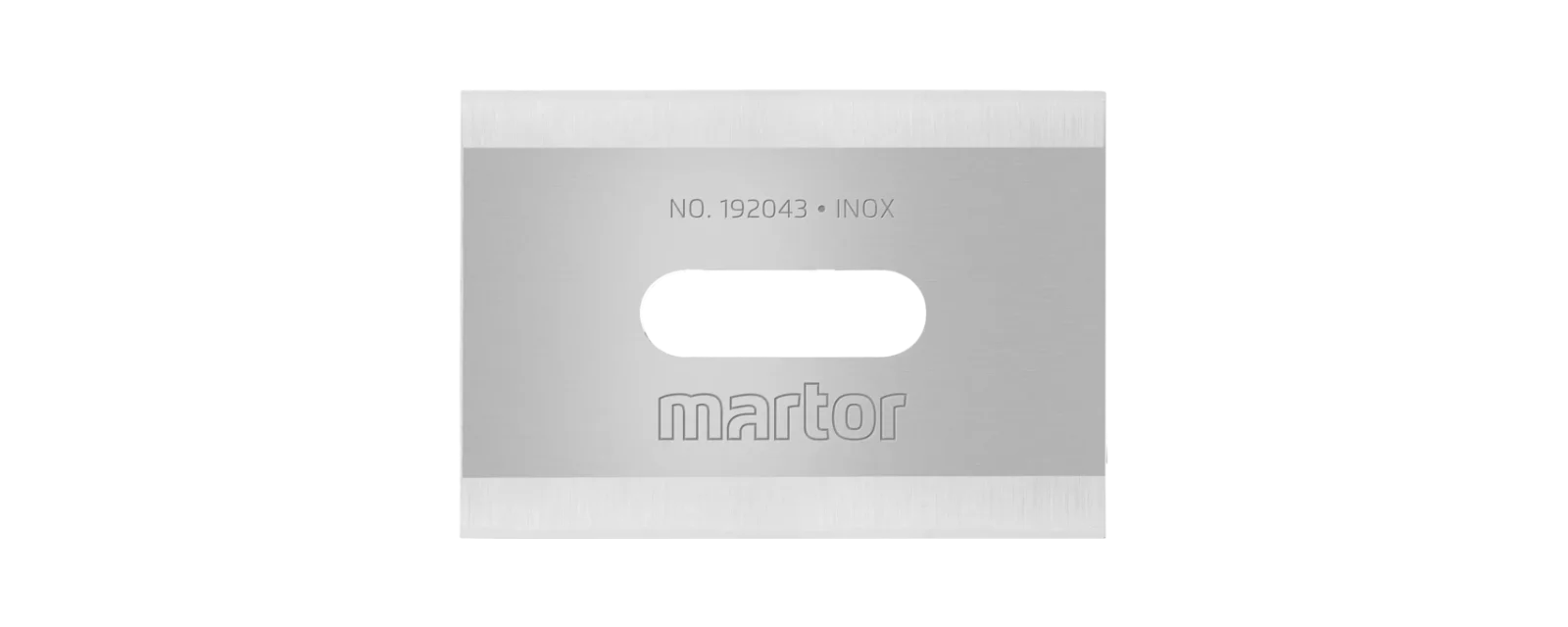 Stainless steel€7.96 excl. VATView KM192043
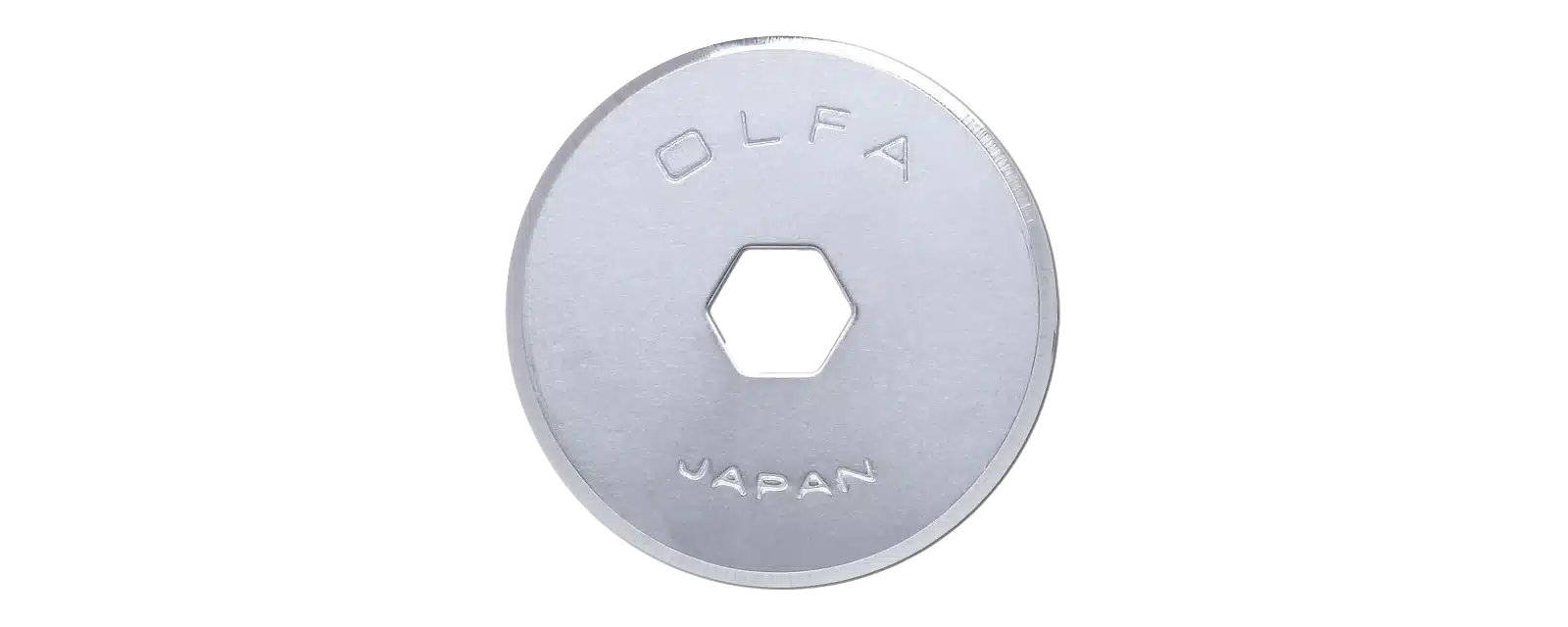
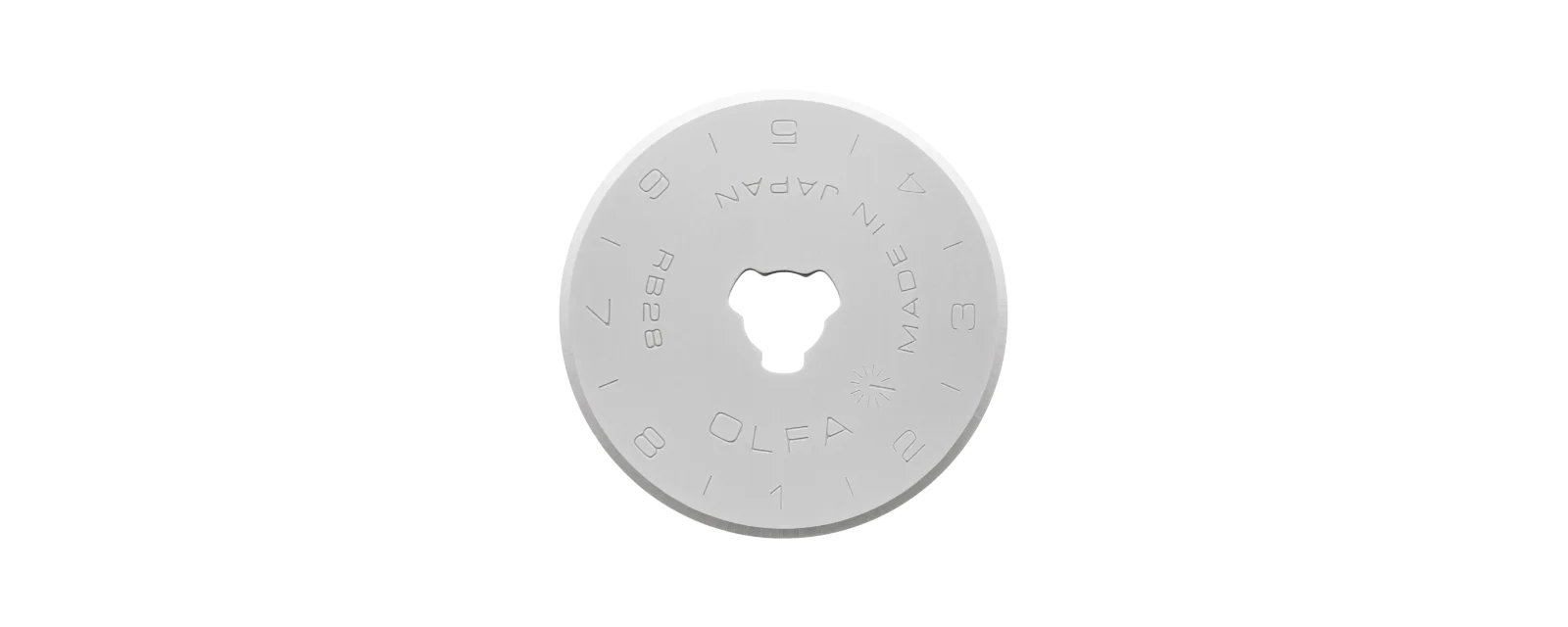
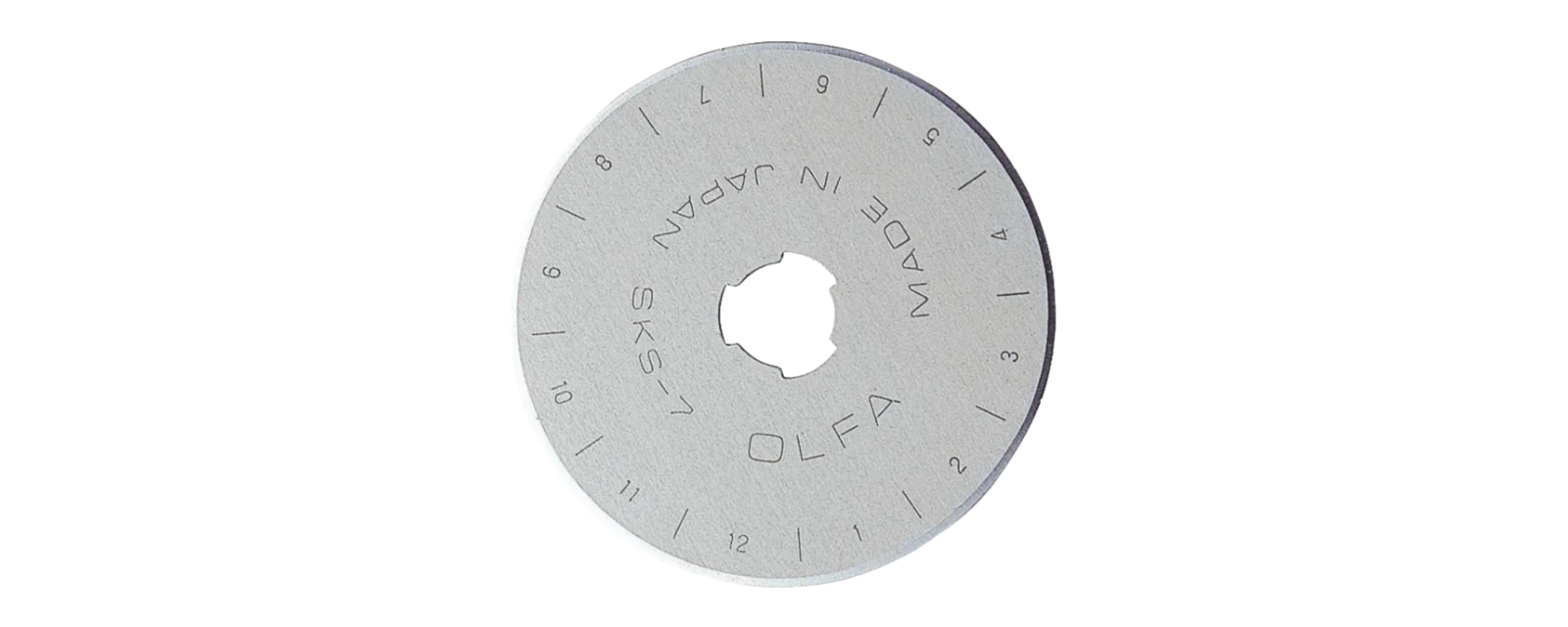
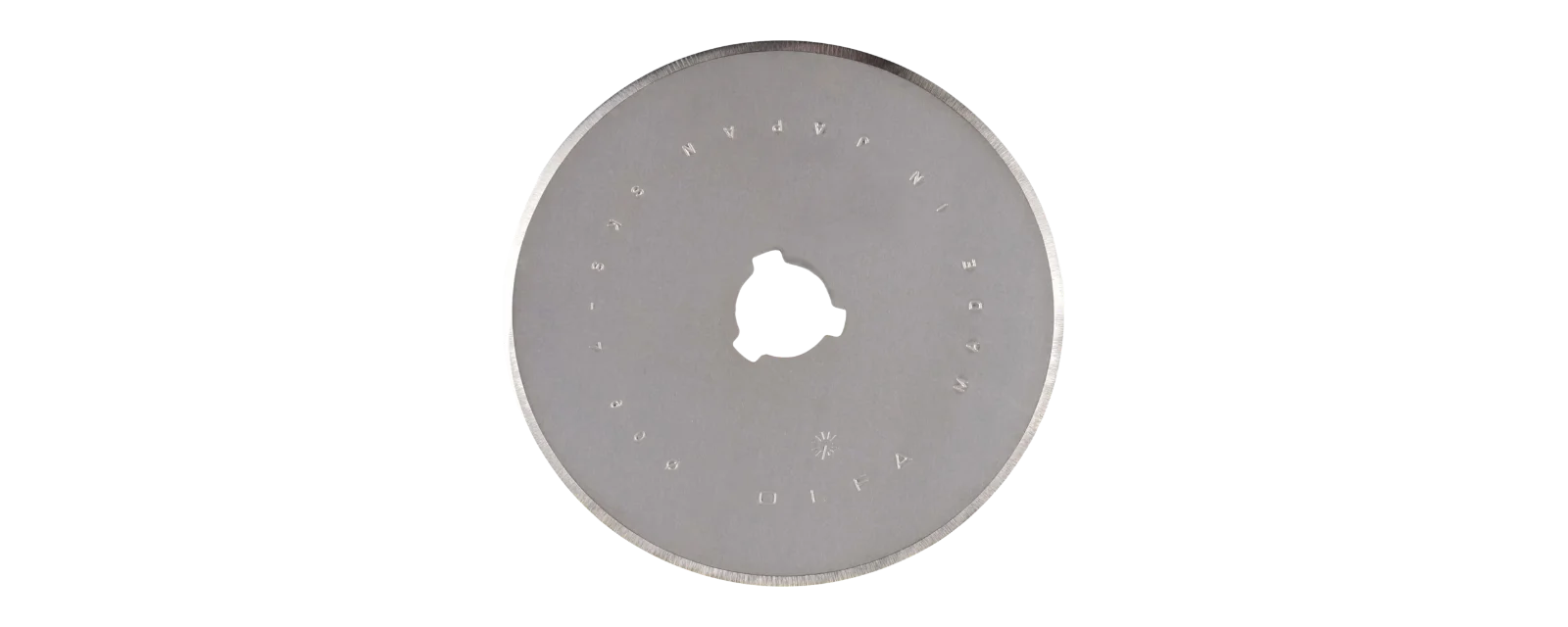
 Ceramic, mini, pointedCeramicSafety grind€19.99 excl. VATView K070
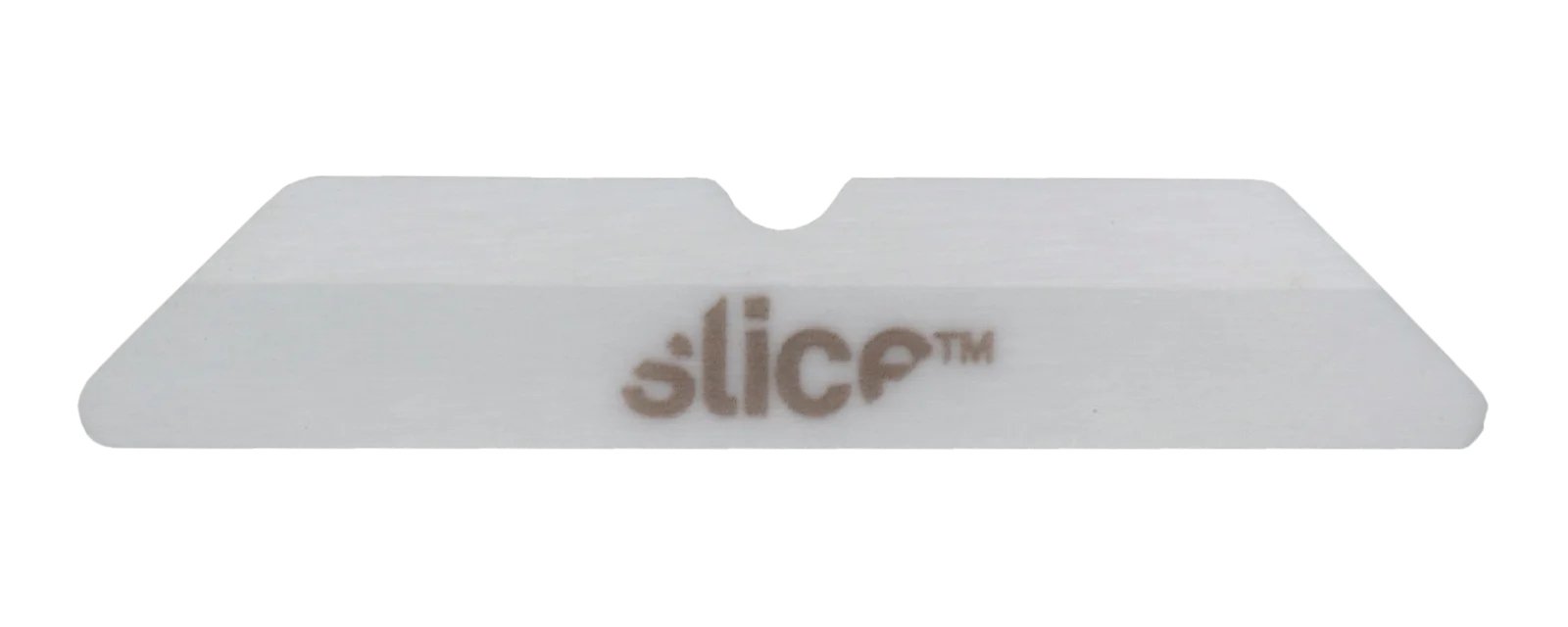 Ceramic, mini, roundedCeramicSafety grind€19.99 excl. VATView K071
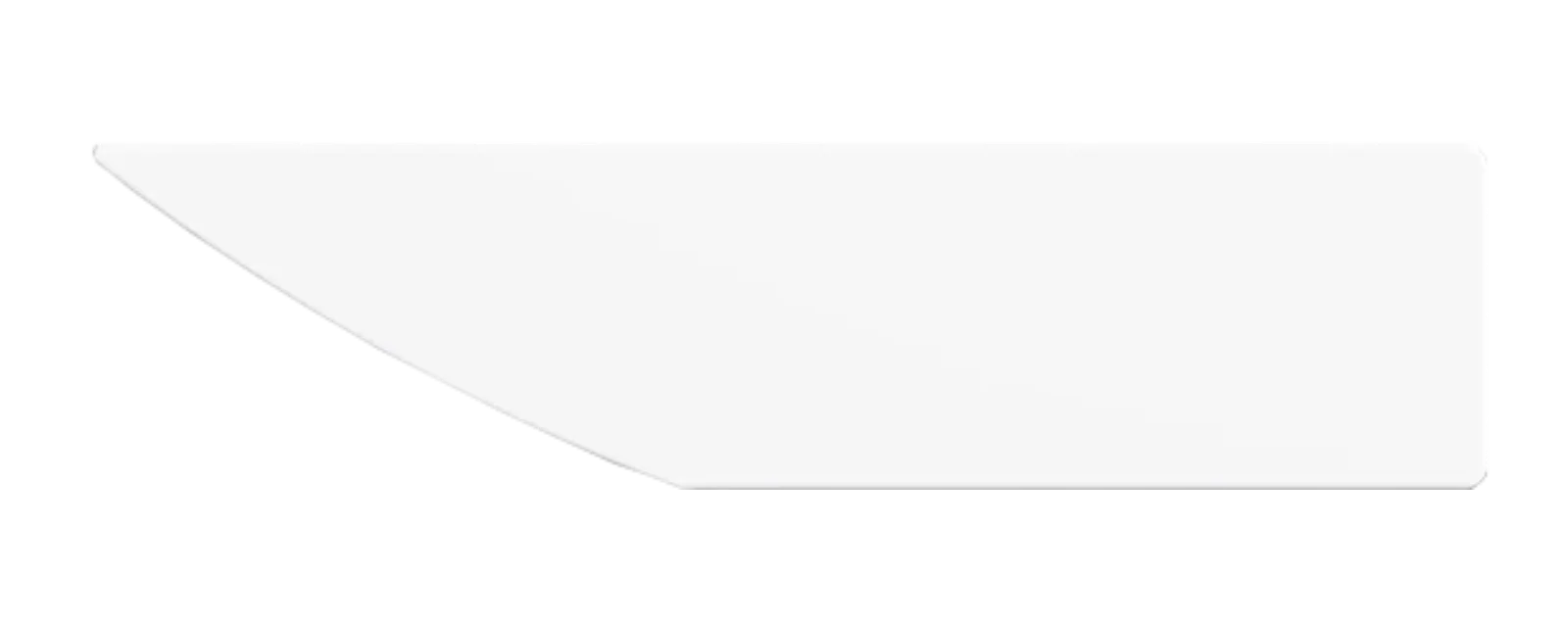 Ceramic, convexCeramicSafety grind€19.99 excl. VATView K10483
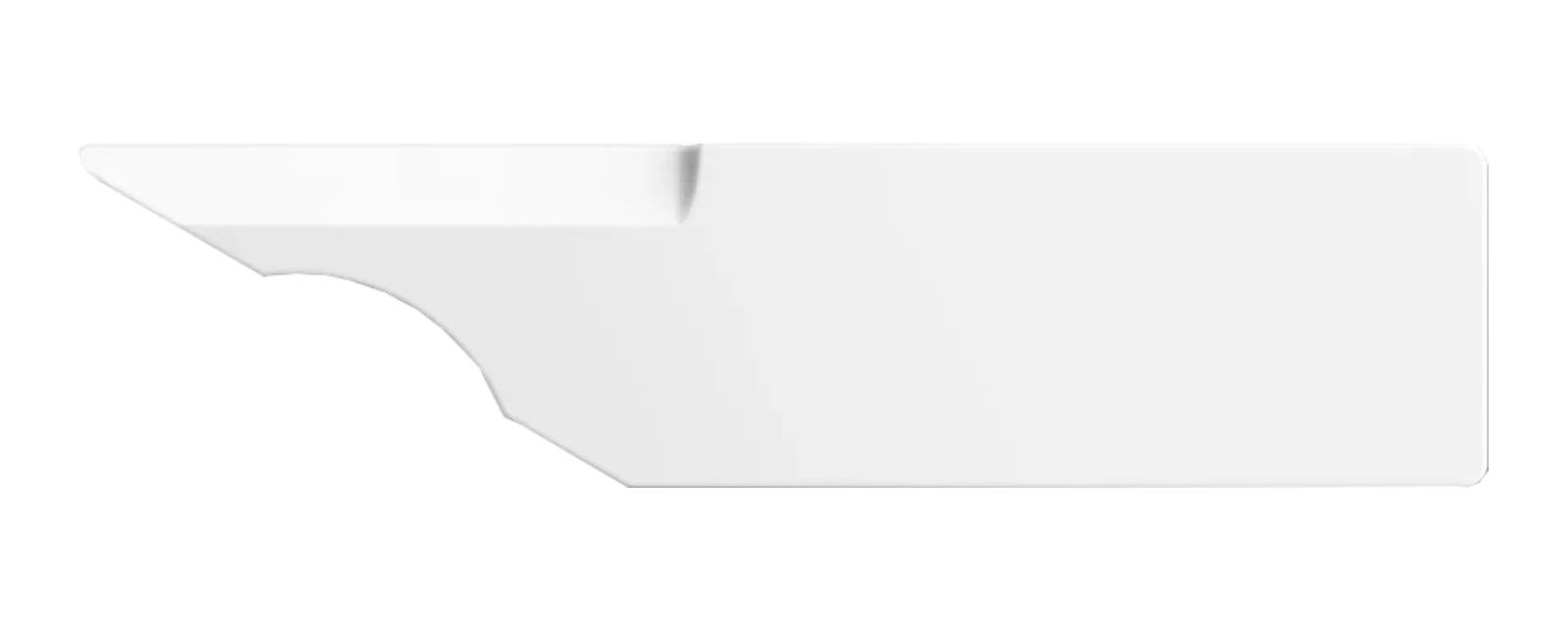 Ceramic, concaveCeramicSafety grind€19.99 excl. VATView K10484
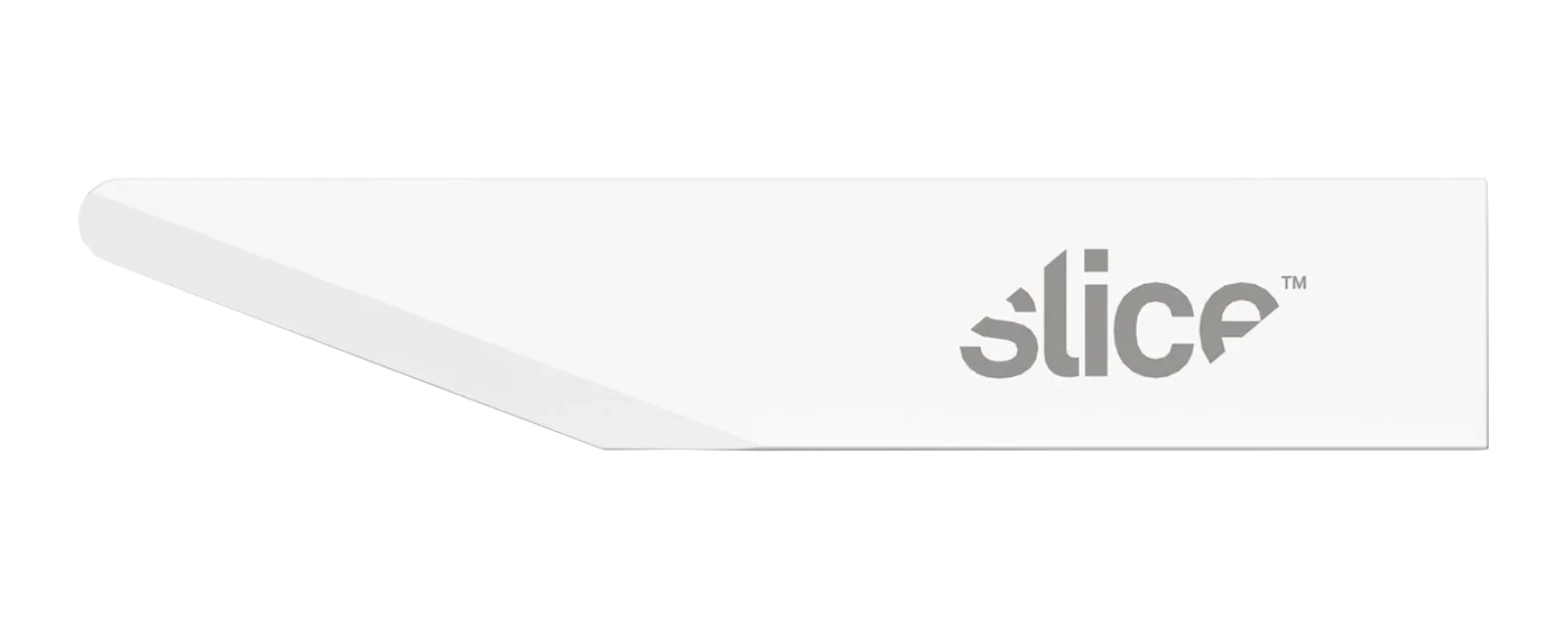 Ceramic, mini, scalpel shapeCeramicSafety grind€19.99 excl. VATView K10518
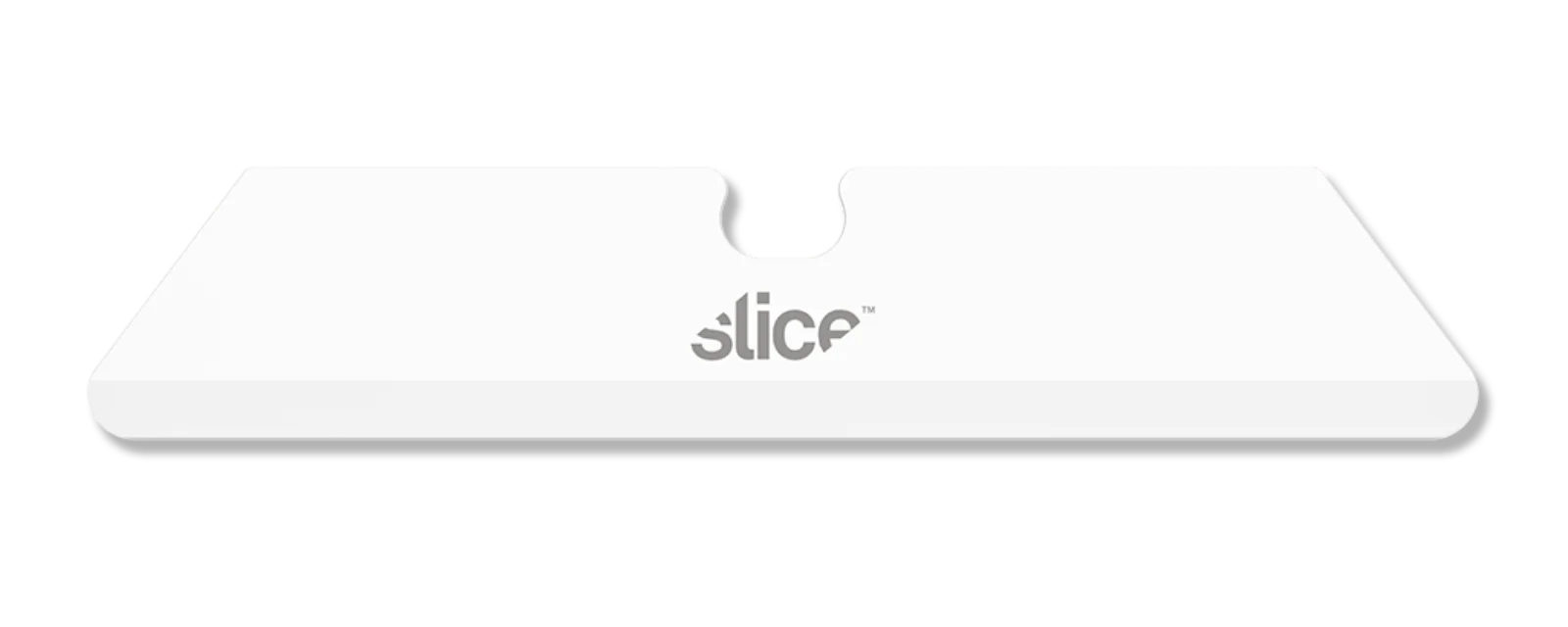 Ceramic, large, roundedCeramicSafety grind€19.99 excl. VATView K10526
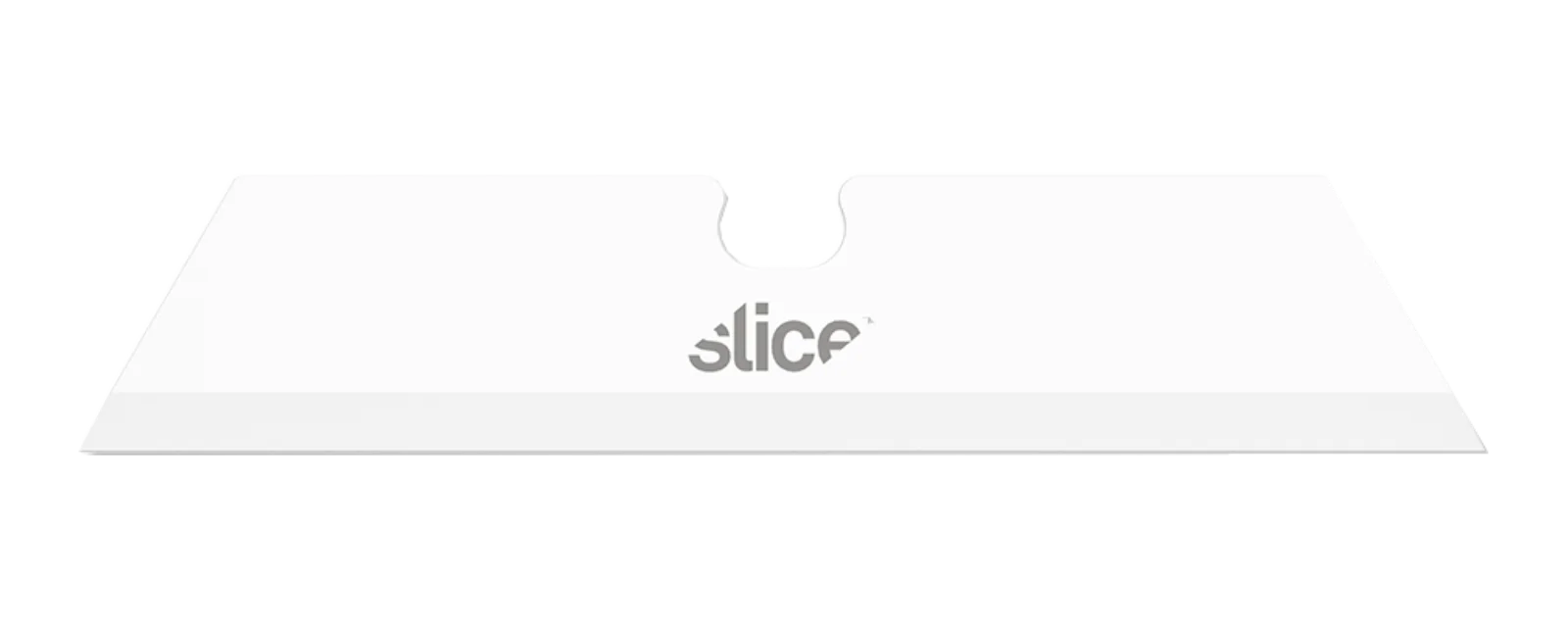 Ceramic, large, pointedCeramicSafety grind€19.99 excl. VATView K10528
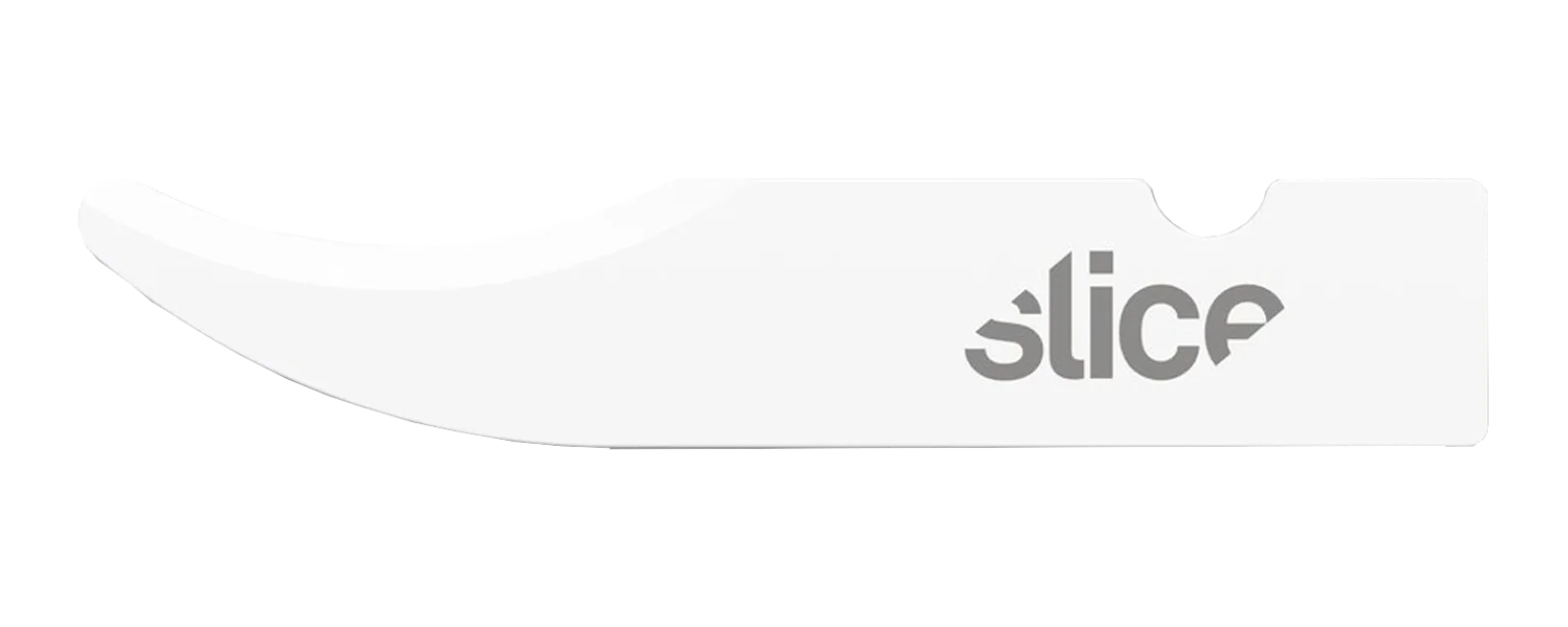 Seam ripper, roundedCeramicSafety grind€19.90 excl. VATView K10536
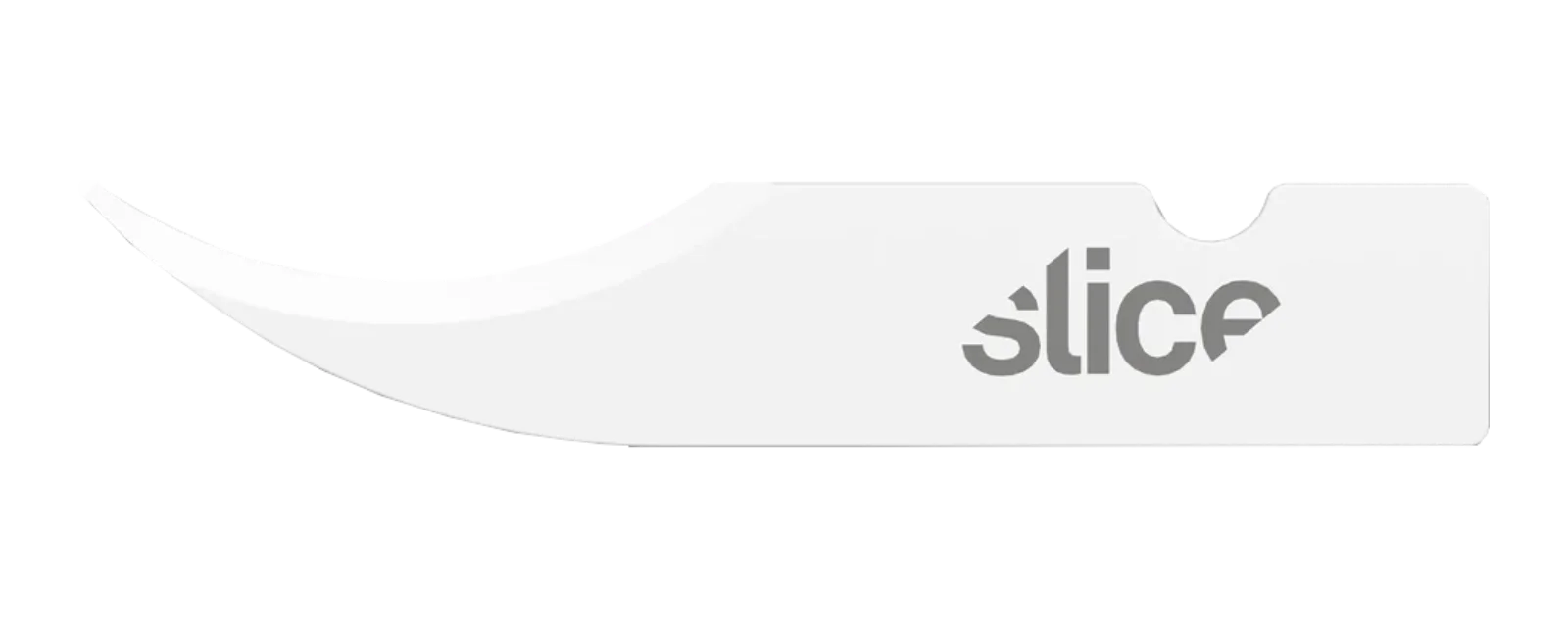 Seam ripper, pointedCeramicSafety grind€19.90 excl. VATView K10537
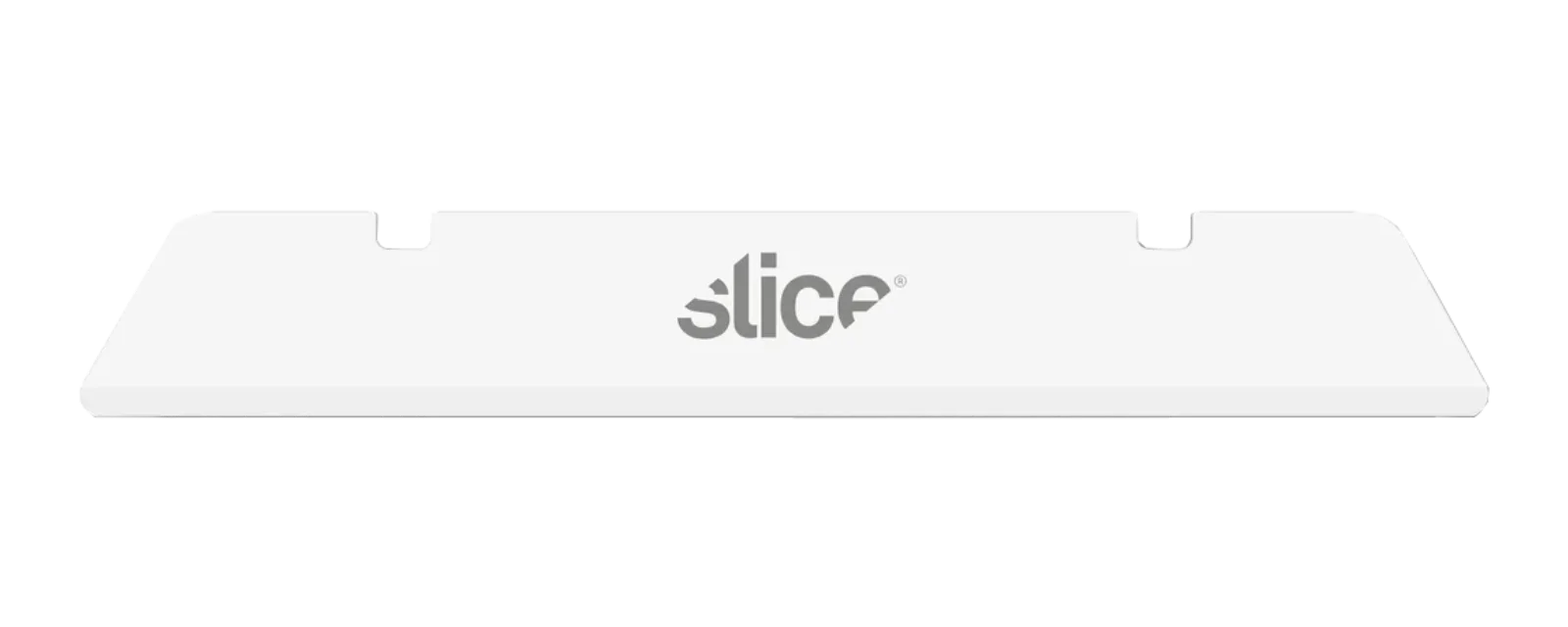 Ceramic, long, roundedCeramicSafety grind€39.45 excl. VATView K10538
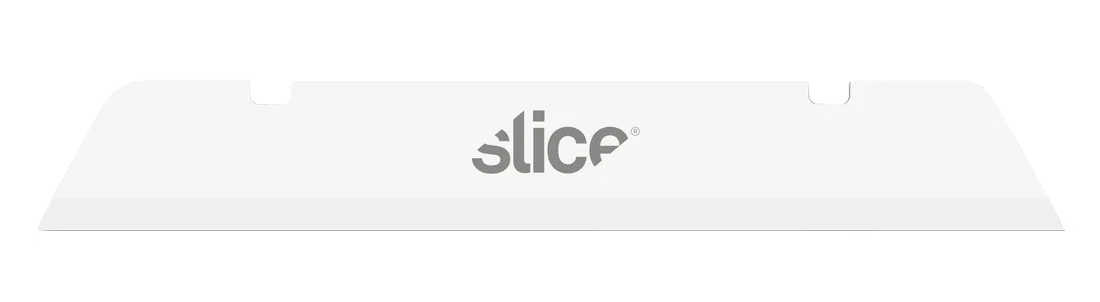 Ceramic, long, pointedCeramicSafety grind€39.45 excl. VATView K10539
Which blade fits my knife?
Choose a brand or search for a knife – the finder shows all replacement blades that fit the knife. 91 knives from our range are recorded.
What matters with cutter knife blades
Whether a blade fits, how good it is and how long it stays sharp – three questions that decide every order. Here are the answers, without advertising promises.
Shape and fit
Does the blade fit my handle?
For cutter knife blades there is no standard. Whether a blade fits is decided by three things: the shape, the hole pattern and – less often – the thickness.
The shapes
 Trapezoid bladesThe blade for safety and carpet knives. Two corners, turned when one is dull.25 blades →
 Snap-off blades9, 18 or 25 mm wide. When the tip is dull, a segment is snapped off.18 blades →
 Polystyrene bladesLong and without predetermined breaking points – for deep cuts in foam and insulation.10 blades →
 Scalpel bladesFine and pointed – for deburring and precise contours.8 blades →
 Hook, round and special bladesMostly made for a specific knife – they fit only that handle.36 blades →
The hole pattern
Trapezoid blades look similar – but by no means fit every handle. There is no standard for the hole pattern. The blade carrier holds the blade at notches in the blade back or at large holes in the middle. Exactly these have to match the handle.
Notches on the back
CountsThe notches at the top of the blade back
Two notches are most common; there are also blades with three or four. Most handles have enough play to take different notches.
99 hole pattern
CountsTwo large holes in the middle of the blade
Not an official name, but common in the trade – after MARTOR blade no. 99. Handles that hold the blade at these holes take only blades with exactly this hole pattern. Blades no. 99 and no. 199 also have notches on the back and therefore fit many other handles as well; the newer no. 60099 has no notches.
52 mm blade with centre hole
CountsThe large hole in the middle, plus the notches on the back
Here too there is no standard; the graphic shows the MARTOR blade no. 5232 as an example. The small holes are irrelevant for the fit.
Rule of thumb: What matters is how the knife holds the blade. Knives that fix the blade at the upper notch take most trapezoid blades – US10, U014, UES44, US24 and U005 each fit up to 19 blades from our range. Knives that hold the blade at the holes in the middle, such as many MARTOR and Slice knives, take only blades with the matching hole pattern.
How to check your old blade
- 1Length About 60 mm (standard) or about 52 mm? Some handles take only one length, some both.
- 2Back How many notches does the blade back have, and where are they?
- 3Middle How many large holes does the blade have in the middle? Small holes do not count.
Every product page states under “Fits” which knives the blade is suitable for. If in doubt: send us a photo of the old blade.
The thickness
Thickness is rarely the problem: most blades of one shape are the same thickness and fit everywhere. The exception are ceramic blades – they are often thicker than steel and then do not fit every handle, even if the hole pattern is right.
Typical values according to manufacturer data sheets (including MARTOR, Stanley, OLFA); individual blades differ. Ceramic: MARTOR 0.65 mm, Slice 0.76 to 1.3 mm.
Quality
What makes a good blade
Two blades can look the same and differ clearly in use. Three building blocks make the difference: material, heat treatment and grind. The finish comes on top as a small building block.
1Material
Carbon steel
The standard+sharp, inexpensive, easy to sharpen
–rusts in moisture
UseCardboard, film, warehouse and shipping
Premium carbon steel
More carbon, higher hardness+keeps its sharpness longer
–somewhat more expensive
Usewhere a lot is cut every day
Stainless steel
Low-rust from 10.5 % chromium+corrosion-resistant, with good quality cuts no worse than carbon steel
–basic grades are softer
UseMoisture, food, pharma
Ceramic
Zirconium oxide+never rusts, non-magnetic, loses its sharpness only slowly (CURT measurement)
–brittle, must not be tilted; often thicker and less sharp at first
UseSafety, food, electronics
“Carbon” or “stainless” alone says little about quality: in test series, good stainless blade steel lasted at least as long as plain carbon steel. What matters is what the manufacturer makes of the steel – hardening and grind. Carbon steel is often named informally after its carbon content: C100 (about 1.0 % carbon) roughly corresponds to Japanese SK5, C125 (about 1.25 %) to SK2. More carbon makes the blade harder and sharper, but also more sensitive to impact.
2Heat treatment
Only heat treatment turns strip steel into a blade. It determines how hard the edge becomes – and whether it stays tough or becomes brittle.
- 1
Hardening
The steel is heated to over 1,000 °C – only a few seconds for thin blade strip.
- 2
Quenching
Rapid cooling freezes the hard structure in place. Without protective gas the edge loses carbon and becomes soft.
- 3
Tempering
Reheating to about 175 to 350 °C removes the brittleness. This is where the compromise is set.
How do you recognise good heat treatment? Reputable manufacturers state hardness and tolerance (e.g. ± 1 HRC). “Specially hardened” without a number is no proof of quality.
 YouTube is loaded when playing.
How a blade is made
The video shows the industrial production of razor blades. Cutter knife blades are made on the same principle: strip steel is stamped, hardened and ground.
Video: Xirui Blade Manufacturing (YouTube, in English)
3Grind
In measurements, the grind has the greatest influence on sharpness and blade life. A more acute edge angle cuts more easily – in cardboard even for longer – but is more likely to chip with hard or laterally loaded cuts. High-quality blades therefore often have a multiple grind (two or three facets): fine at the edge, stable behind it.
Grind types on cutter knife blades
The body of a cutter knife blade is the same thickness everywhere – only the facet at the cutting edge is ground. How it is ground decides how the blade moves through the material. The graphics show the blade in cross-section, the magnifier the cutting edge.
plain, double-bevel
Both sides are ground, the edge lies in the middle (V shape). The blade runs straight and is stable at the edge.
UseStandard for trapezoid and snap-off blades – cardboard, film, cutting to size.
plain, single-bevel
Only one side is bevelled, the other stays flat. With the flat side against the workpiece you get very flat, flush cuts.
UseDeburring, trimming protrusions, scalpel and scraper blades.
Serrated grind
The edge is wavy and ground on one side. The tips bite into the material, in the valleys the blade keeps cutting – it does not slip.
UseTough and fibrous material: rubber, foam, insulation, rope.
Safety grind
The edge does not end in a point but is rounded. It cuts cardboard and film, but is considerably less dangerous to the skin.
UseGoods receipt and order picking, often with ceramic blades.
Schematic, not to scale: a trapezoid blade is about 0.6 mm thick.
+Finish
The colour of a blade says something about its finish – but not automatically that it lasts longer. It depends on what you cut.
| Finish | What it is | Film, thin material | Cardboard, abrasive material |
|---|---|---|---|
| Silver (none) | Bare steel, no coating | good | good – the standard |
| Black | Mainly a finer grind (according to OLFA, Tajima) | higher initial sharpness | in our experience no advantage in blade life |
| CURT experience · OLFA itself recommends the silver blade for cardboard | |||
| Gold (TiN) | Titanium nitride, only a few µm thin – a niche | intended for film | Specialist retailers advise against it for cardboard |
| CURT experience: advantage mainly with film | |||
| Tungsten carbide | Hard metal edge, applied to the steel by laser | more likely to tear thin film | considerably longer blade life |
| According to the manufacturer up to 10 times, method not published · CURT measurement: still not dull after 1,700 cuts, a standard trapezoid blade after about 1,000 (1 blade each – tendency) | |||
Sharpness
Initial sharpness is not blade life
“Very sharp” is printed on almost every blade pack. It means two different things – and for work in a business, what counts is usually what is not printed on it.
Initial sharpness
How easily a new blade cuts. It drops from the first cut – most strongly right at the start.
Blade life
How long the blade keeps a minimum sharpness with which you can cut your material without too much force.
Our measurement: how much force does the blade need?
There are no published measurements for cutter knife blades. That is why we measured ourselves: 17 trapezoid blades, each up to 1,700 cuts. The graph shows four of them. The higher the curve, the duller the blade.
- A Steel
- B Steel
- C Hard metal edge
- D Ceramic
The biggest loss comes immediately
After the first 100 cuts, the steel blades needed two to four times as much force as when new. After that the force kept rising steadily.
The sharpest is not the most durable
Blade A started with the lowest force and was dull after about 640 cuts. Blade C needed almost twice the force at first – and was still not dull after 1,700 cuts.
Hard edges last longer
Blades with a hard metal edge, bimetal or ceramic were still not dull at the end of the test. Ceramic starts clearly duller but loses only little.
Which blade is better depends on what you cut and how often. Most manufacturers mean initial sharpness by “very sharp” – which says little about blade life.
CURT measurement, as of October 2026. Blade in the handle, guided along a metal rail. Per measuring section cardboard and, in a ratio of 10 : 1, strapping that pulls sideways against the cutting edge. What is measured is the force with which the blade cuts through a nylon thread (0.35 mm), mean of three measurements. One blade was tested per blade type – the values show a tendency, not a laboratory result. Not a standard method, not comparable with ISO 8442-5. Brands are deliberately not named.
What matters more to you?
Initial sharpness counts when …
- few, precise cuts are needed
- thin film, paper or wallpaper is cut
- the blade is changed or snapped off often anyway
Blade life counts when …
- cutting goes on all day
- cardboard, strapping or rubber wear the blade down
- every blade change costs time and money
Only one method for knives is standardised: ISO 8442-5. The blade cuts with a fixed force through a stack of test cardboard containing quartz. The first three strokes give the initial sharpness, the sum of all strokes the blade life. No manufacturer publishes such values for cutter knife blades – factors such as “10 times longer” are manufacturer claims without a method.
Why sharp means safe
The most dangerous blade is a dull blade.
Force
A dull edge needs high pressure. More force leads to loss of control – and to slipping.
Ergonomics
Sharp blades relieve wrist and tendons, especially in continuous use.
Result
Clean cut edges save rework and rejects.
Safety and special blades
Occupational safety starts with the blade, not only with the knife.
Ceramic
Does not rust, is non-magnetic and stays sharp for a long time. Often with a safety grind.
Ceramic safety blades →Detectable
Blades and knives that metal detectors find – for food and pharmaceutical production.
Detectable products →Rounded tip
Reduces the risk of stab injuries and protects the contents when opening cartons.
Without snap-off segments
Where no piece of steel may get into the product – for example in the food and automotive industries.
Knives with automatic blade retraction: Safety knives →
Changing and disposing
How to change a blade safely and how to snap off snap-off blades correctly is shown with the cutter knives. Dull blades belong in a collection box at the workplace – not loose in the general waste.
Blade not found?
We work with almost all manufacturers. Send us a photo of your blade or request sample blades to test.
Frequently asked questions about blades
Which blade fits my knife?
With snap-off blades the width usually decides – 9, 18 or 25 mm. With trapezoid and special blades the hole pattern and length must match the handle; they are not standardised. Every product page states under “Fits” which knives the blade is suitable for. If in doubt, send us a photo of your blade or call: 0211 97174619.
What does “stainless” mean for a blade?
No blade is truly stainless, only low-rust: from 10.5 % chromium in the steel it counts as corrosion-resistant (DIN EN 10088). Water and acids on the edge then hardly change its properties.
Carbon steel or stainless steel – which is better?
Carbon steel is inexpensive and the usual choice for cardboard, film and most warehouse work. Choose stainless steel where moisture or food is involved. Neither is better or worse across the board – it depends on the steel quality, the hardening and the grind.
How long does a cutter knife blade last?
That depends on the material cut: film hardly stresses the blade, while cardboard with its mineral fillers, strapping and rubber dull it quickly. On the blade side, the grind (edge angle) and the hardness of the steel are what matter most.
What are gold and black blades good for?
Gold blades carry a layer of titanium nitride (TiN) a few thousandths of a millimetre thin. It helps mainly with film and adhesive tape; with cardboard it wears off the edge quickly. Black blades from OLFA and Tajima differ, according to the manufacturers, mainly through a finer grind – they are particularly sharp at first.
Which blades are suitable for food production?
Blades without snap-off segments, so that no piece of steel gets into the product, plus stainless steel or ceramic against rust. Where metal detectors are used, there are detectable knives and blades.
Are ceramic blades worth it?
Ceramic blades cost more than steel blades, but stay sharp considerably longer, do not rust and are non-magnetic. They are worth it where a lot is cut or steel is unwanted. Do not tilt them – ceramic is brittle.
Where to put dull blades?
In a collection box for dull blades, right at the workplace. Loose blades in the general waste endanger waste disposal and belong in the risk assessment.