
Guides Cutting tools
Which knife for which material, which blade in which handle, which safety level for which job: here you will find all CURT guides, tests and manufacturer pages, sorted by topic.
Guides Cutting tools
Which knife for which material, which blade in which handle, which safety level for which job: here you will find all CURT guides, tests and manufacturer pages, sorted by topic.
The right knife
Which type of knife for which job, and how much protection your workplace needs.

Safety knives
All safety knives by safety level, cutting depth and application, with a buying guide.
To the guide →
Safety levels 0 to 3
What the four CURT safety levels mean and which level suits which job.
To the guide →
Cutter knives
Snap-off blade, trapezoid blade, metal housing: how cutter knives differ.
To the guide →
Carpet knives
What makes a carpet knife and how it differs from a cutter knife.
To the guide →
Scalpels and craft knives
Scalpels for medicine, trades and hobby at a glance, with deburring tools and craft knives.
To the guide →Blades
Blade shapes, sharpness and blade life, and which blade fits which knife.


Cutting by material
Cardboard, paperboard, film: which knife suits which purpose, and how to make the cut safer.

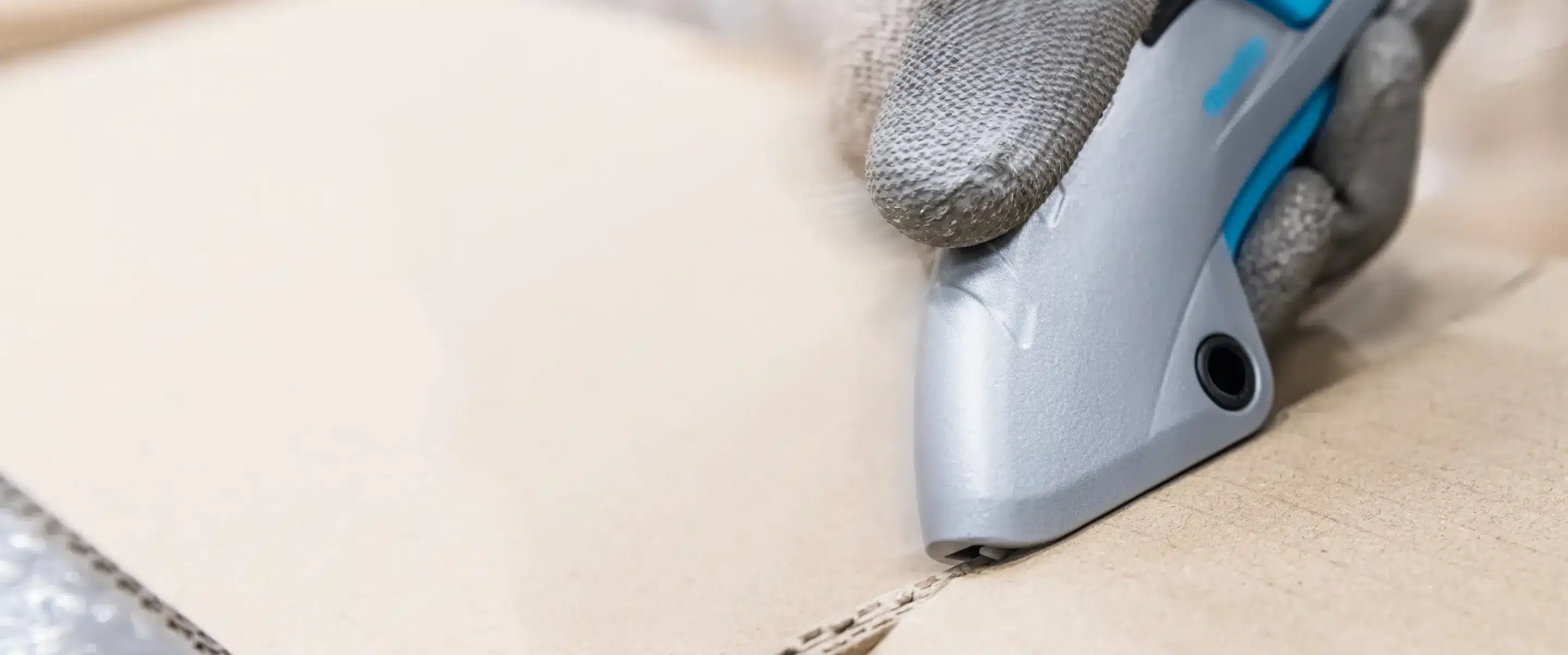
Carton knives
What a carton knife is and which safety level suits cartons and cardboard.
To the guide →
Film knives
Film knives for stretch and shrink film, for warehouses, trades and wrappers.
To the guide →
Tips and tricks for cutting
Five techniques that let you cut more easily, faster and more safely with safety knives.
To the guide →Tests and measurement methods
Our own comparison tests with openly described measurement methods.


The manufacturers behind our knives
Each manufacturer page shows a brand’s complete range at CURT, with cutting depth, safety level and the answer to the most common question: which replacement blade fits which knife.
 Manufacturer page
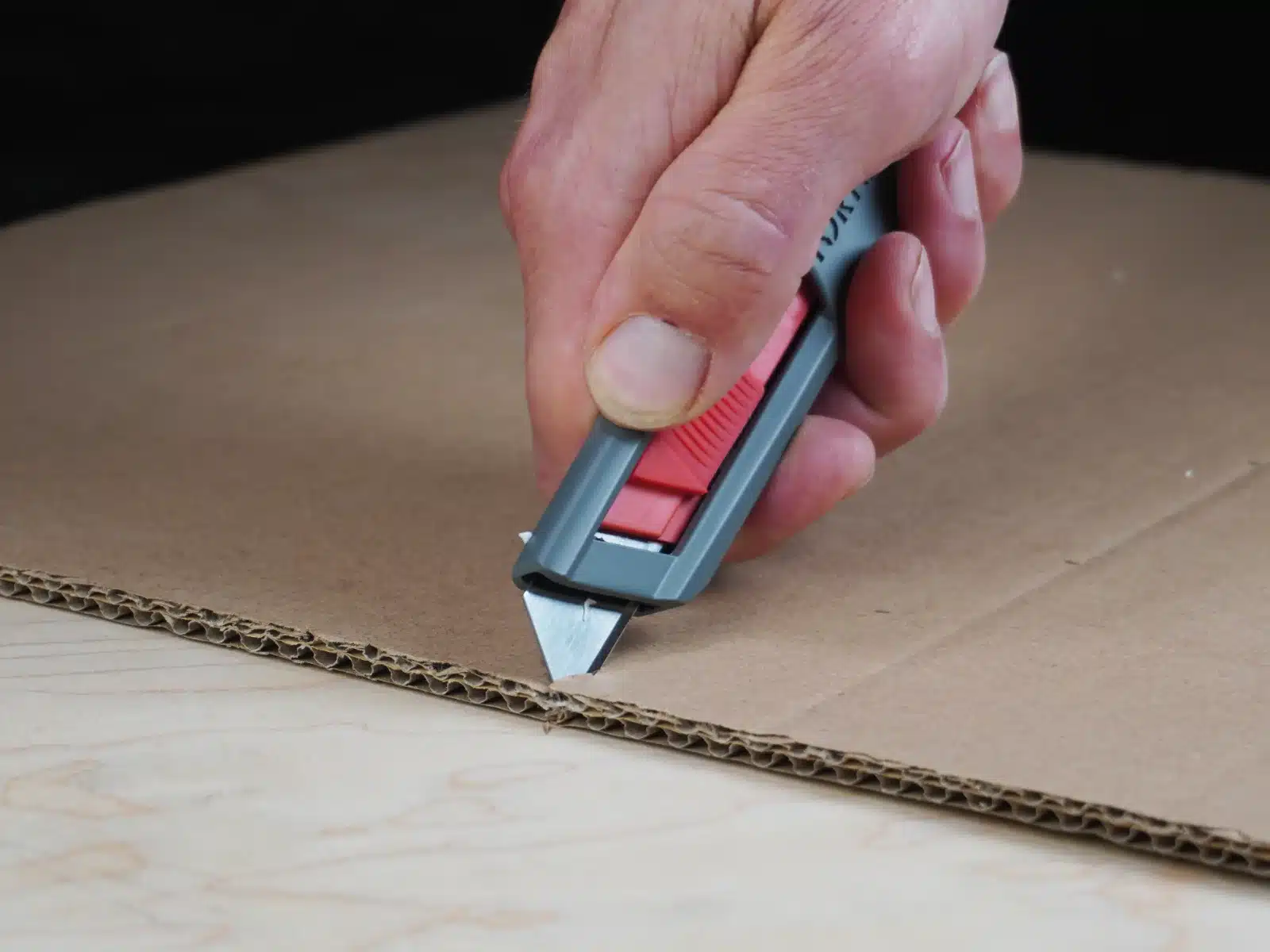
Tortoris
Safety knives with automatic blade retraction and matching replacement blades, sorted by safety level and cutting depth.
To the manufacturer page →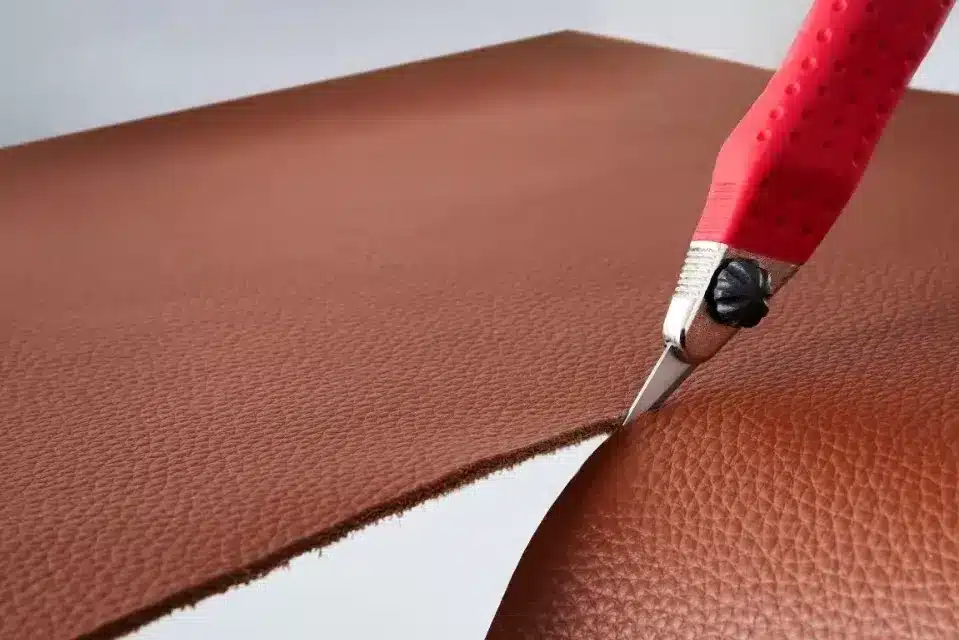
 Manufacturer page
Mozart
Scalpels for deburring, scalpel blades and spare parts from Solingen, with an overview of which blade fits which handle.
To the manufacturer page →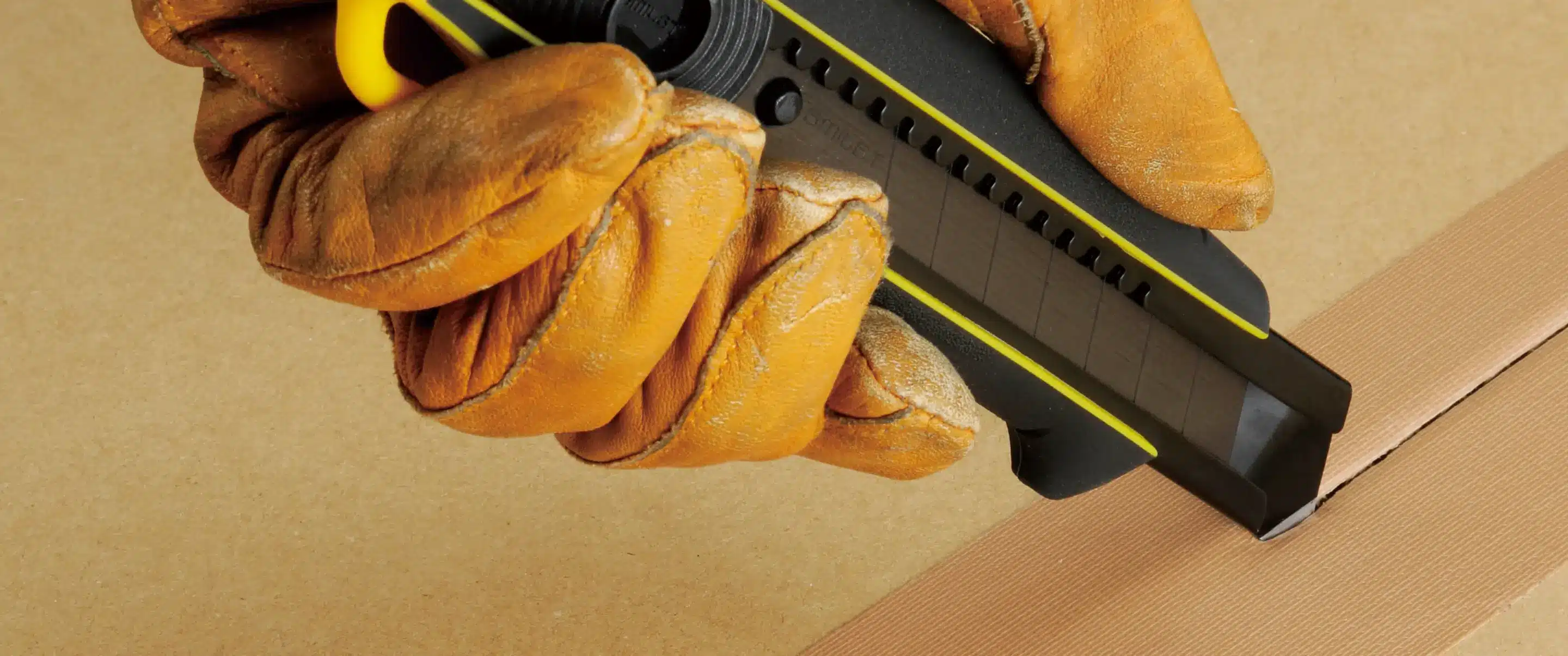
 Manufacturer page
Tajima
Cutter knives, safety knives, carpet knives and scrapers from Japan, with matching blades and accessories.
To the manufacturer page → Manufacturer page
martor
Safety knives from Solingen by safety level, detectable MDP models and film knives, with an overview of which blade fits where.
To the manufacturer page →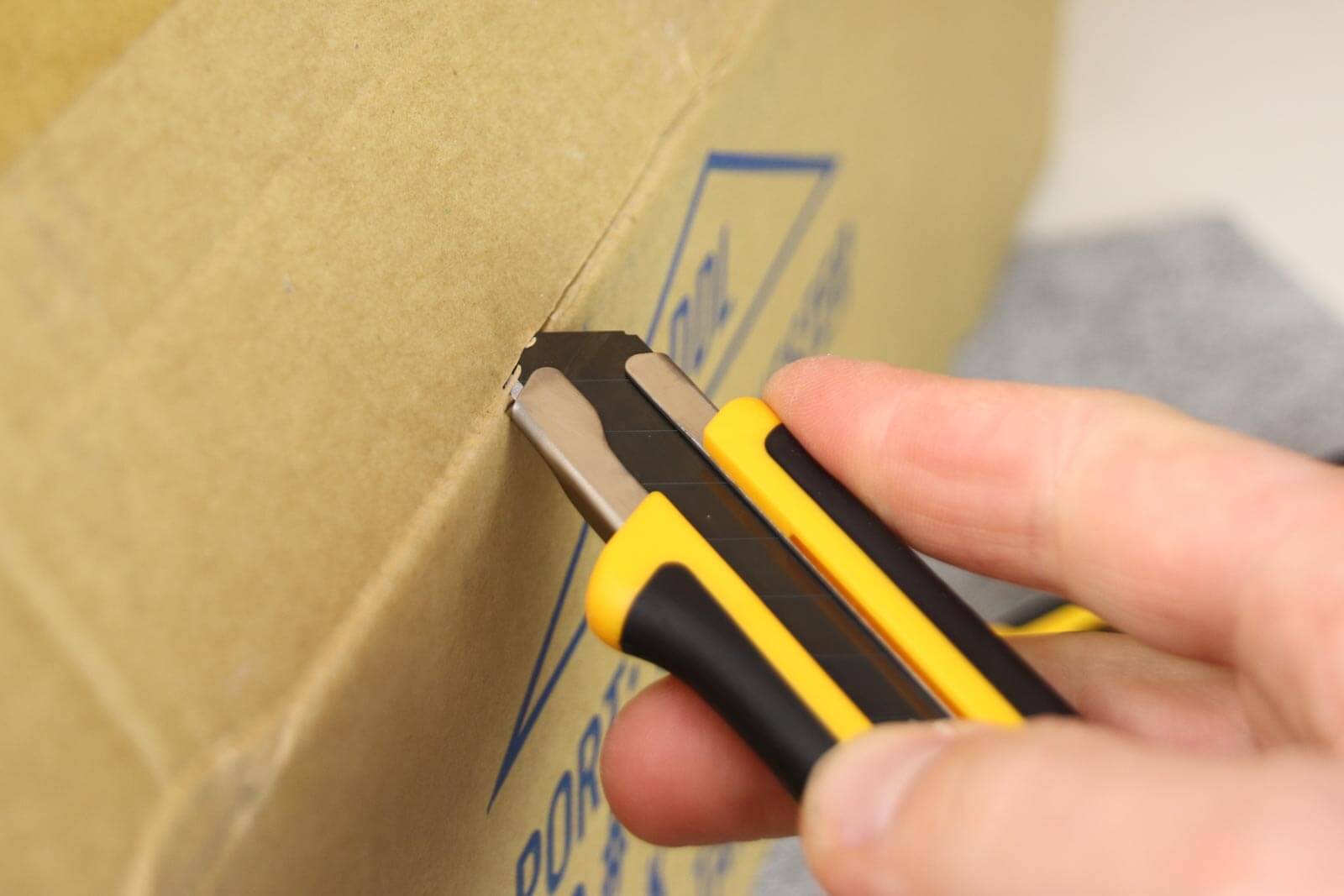
 Manufacturer page
OLFA
Cutter knives in 9, 18 and 25 mm, rotary cutters, safety knives and scalpel from the inventor of the snap-off blade, with all matching blades.
To the manufacturer page →
 Manufacturer page
Slice
Safety knives with a ceramic blade (compact, standard and long), plus scrapers, seam rippers, deburring tools and all matching blades.
To the manufacturer page →
 Manufacturer page
RiteKnife
Safety knives with a concealed blade and fully automatic retraction, plus scrapers, precision knives and blades from Mozart.
To the manufacturer page →
 Manufacturer page
Klever
Safety knives from the USA with a protective hook in front of the blade: XChange with replaceable blades, Kutter as a disposable, plus Kleen antibacterial and MDP detectable.
To the manufacturer page →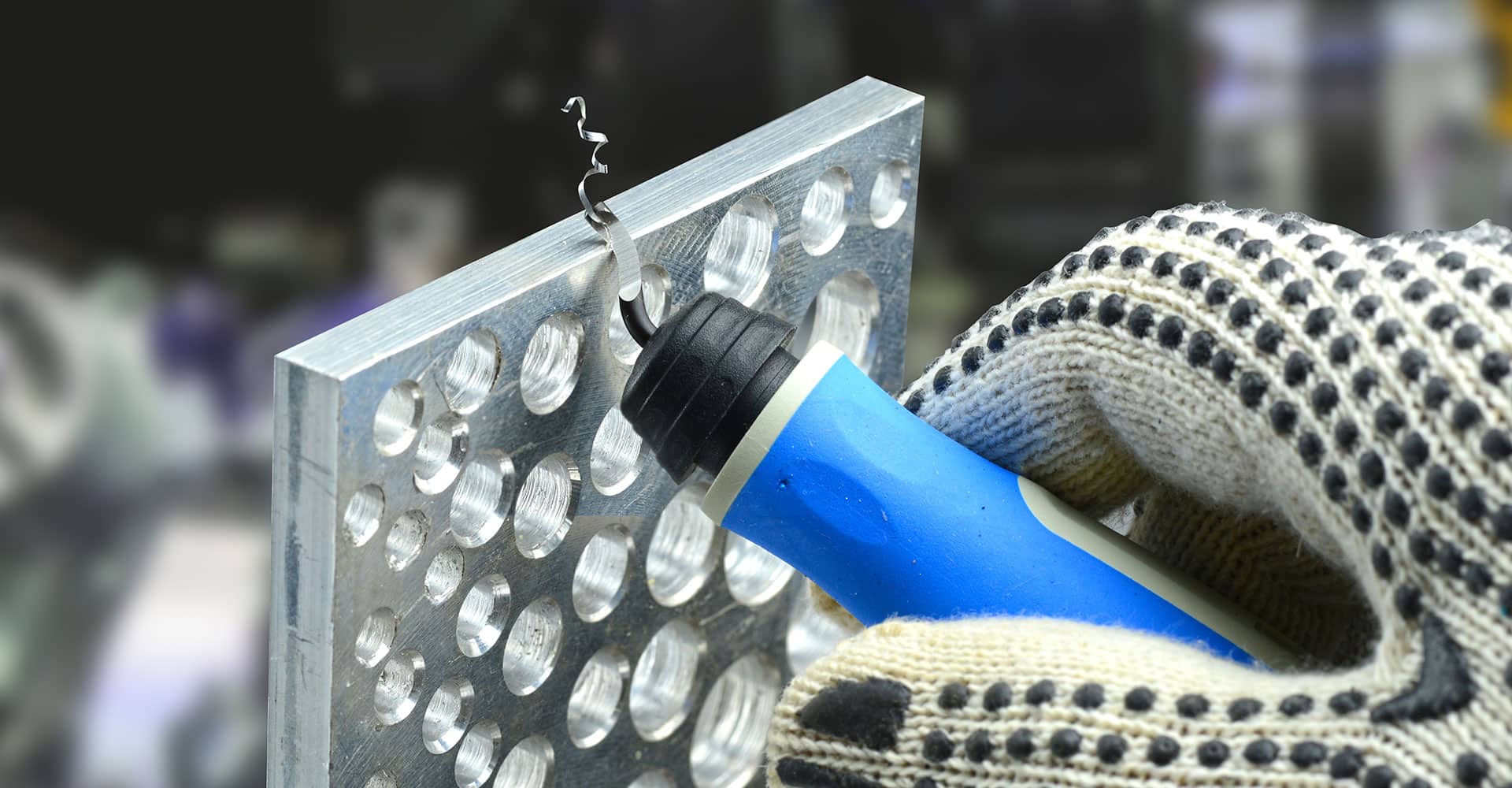
 Manufacturer page
Noga
Deburring tools with a swivel blade for steel, aluminium and plastic: RB1000 Rapid Burr and NG1003 Burr 3.
To the manufacturer page →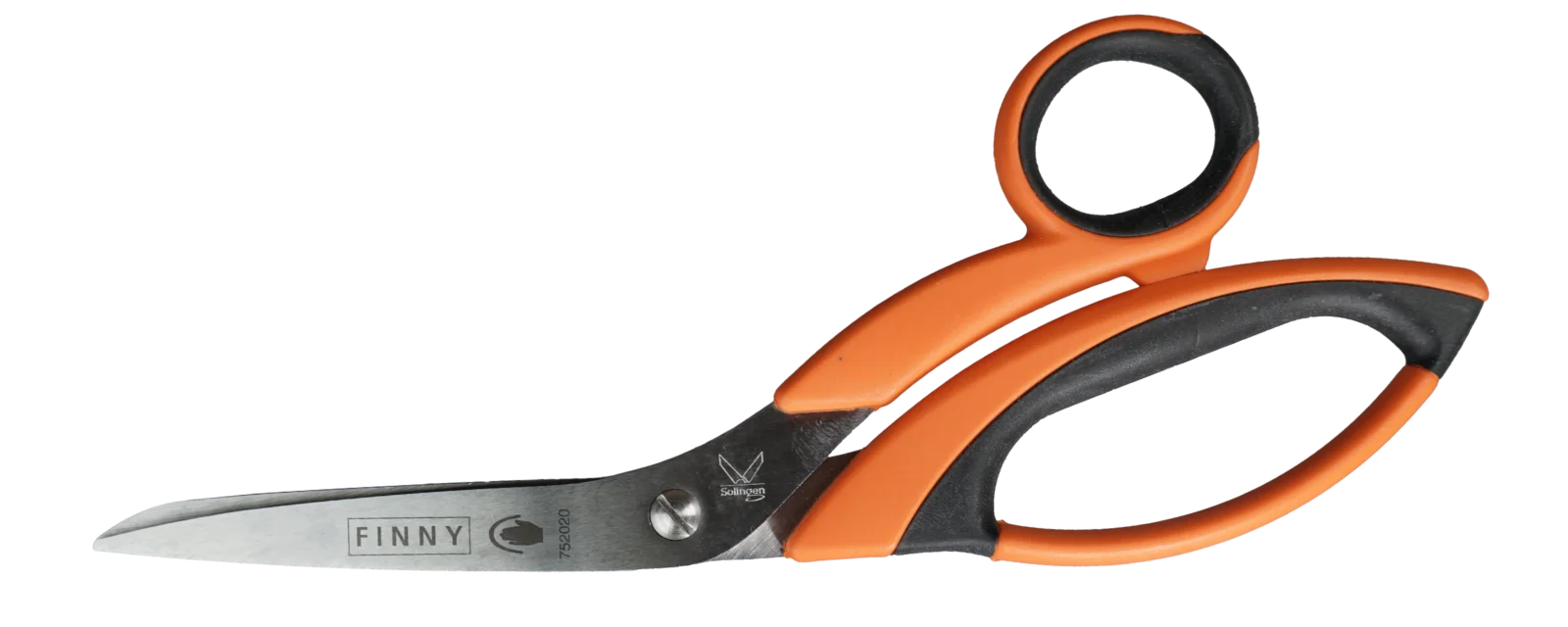
 Manufacturer page
Kretzer
Safety scissors of the Safecut series from Solingen: 13, 15 and 20 cm, with a safety grind for right- and left-handers.
To the manufacturer page →
 Manufacturer page
PHC
Safety knives from Pacific Handy Cutter: Level 1 to 3, with and without blade change, for warehouses, shipping and retail.
To the manufacturer page →
 Manufacturer page
Stanley
Folding safety knives with automatic blade retraction and two trapezoid blades from the tool brand Stanley.
To the manufacturer page →More manufacturer pages will follow as soon as they have been converted to the new format.
How to find the right cutting tool
Whether warehouse, production, trades or office: which knife fits depends on three questions: what is cut, how often, and how much protection the workplace requires. This overview sorts out the terms and leads you to the guide that answers your question in detail.
Cutter knives, safety knives, carpet knives: the basic types
Cutter knives are universal cutting tools with an extendable blade, mostly with a snap-off blade 9, 18 or 25 mm wide. The blade stays open until it is retracted by hand.
Safety knives protect against cuts: the blade retracts by itself after the cut or is concealed. In warehouses and logistics they are therefore often required by occupational safety rules.
Carpet knives work with a sturdy trapezoid blade and a strong handle, for floor coverings, insulation and everything that needs a lot of force in the cut.
Scalpels exist for medical, commercial and private use. In commercial settings they are used for deburring and fine cutting to size.
How safe is safe enough? The four CURT safety levels
To make knives from different manufacturers comparable, CURT assigns every knife to one of four levels:
- Level 0 – no protection: The blade stays open as long as it is extended. This includes classic cutter knives and tools with a fixed blade.
- Level 1 – automatic blade retraction: The blade retracts as soon as the thumb releases the slider. Protects when operated correctly.
- Level 2 – fully automatic protection: The blade is secured after every cut, even if the slider stays pressed.
- Level 3 – concealed blade: Cutting takes place only in the narrow channel of a protective hook. The cutting edge is out of reach for hand and goods.
Which blade for what?
- Trapezoid blades – sturdy, usually usable on both sides. Standard in safety knives and carpet knives.
- Snap-off blades – the blunt tip is broken off and a new, sharp segment lies behind it. For precise cuts in trades and workshops.
- Hook blades – cut from the bottom up through film, belts and strapping without hitting the goods underneath.
- Scalpel blades – for fine cutting to size and for deburring plastic parts.
- Ceramic safety blades – with a safety grind, rustproof and non-magnetic.
Which replacement blade fits which knife is shown on the manufacturer pages, directly at each model.
Cutter knife blades at a glance
How we test
In the BoxCutter Test 2025 we compared 19 mini disposable knives from industry, retail and the online market under identical conditions: cutting resistance in newtons, finger protection and handling. We describe openly how the measurements are set up, so that you can follow the results.
What to look for when choosing
- Material: Film, cardboard, carpet and plastic call for different blades and cutting depths.
- Safety level: according to the risk assessment and your company’s requirements.
- Blade change: Toolless changing saves time when many employees cut every day.
- Handle: With continuous use, ergonomics determine fatigue and miscuts.
- Test mark: The GS mark (“tested safety”) is awarded by an independent testing body such as the Versuchs- und Prüfanstalt Remscheid (VPA) or TÜV.
Unsure which model suits your use? Write to us or call, we reply personally.
Which question is still open?
Write to us and we will get back to you personally with an answer or a suggestion.